



Whole Moong's Nutritional Bounty
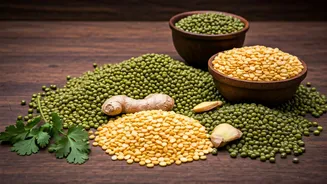
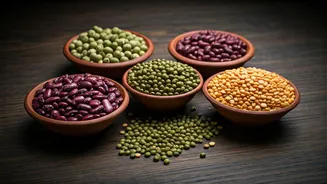
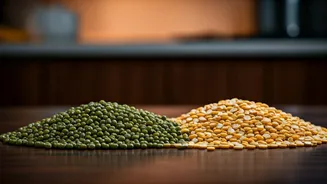
Whole green moong stands as a cornerstone of a healthy diet, brimming with vital protein, dietary fiber, and a spectrum of essential vitamins and minerals.
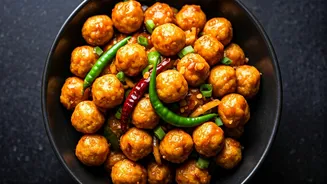
Chef Sanjeev Kapoor highlights that consuming whole moong harnesses its natural fiber, crucial for promoting digestive health and aiding in weight management. He emphasizes that sprouting whole moong significantly amplifies its nutritional profile, unlocking an even greater array of beneficial compounds. This process also enhances digestibility and boosts the levels of beneficial enzymes, antioxidants, and vitamins like Vitamin C, thereby fortifying the immune system. For a delightful way to enjoy whole moong, Chef Kapoor suggests Green Moong Oats Tikki, a crisp and satisfying snack or meal accompaniment. These tikkis are prepared by mashing boiled whole moong and combining it with oats powder, finely chopped potato and onion, red chili powder, salt, chaat masala, green chilies, and fresh coriander. Shaped into patties and shallow-fried until golden brown, they offer a flavorful and nutritious treat when served with mint chutney or a yogurt dip.
Split Skinless Moong: Digestibility Champion
The split, skinless variety of green gram, commonly known as yellow moong dal, is a staple in Indian kitchens due to its exceptional ease of digestion and quick cooking time. Chef Sanjeev Kapoor points out that this form is particularly rich in protein, folate, iron, and magnesium, making it an excellent choice for those aiming to increase protein intake without feeling overly heavy. Its gentle nature on the stomach makes it ideal for light, nourishing meals. Furthermore, yellow moong dal's mild flavor profile lends itself to a wide array of culinary creations, from comforting soups to hearty khichdi. A perfect example of its versatility is the Yellow Moong Pesarattu, a protein-rich pancake that serves as a wholesome breakfast or light lunch option. To prepare it, split skinless green gram and rice are soaked, then ground into a batter with green chilies, ginger, cumin seeds, and salt. This batter is spread thinly on a hot tawa, sprinkled with gunpowder, onion, and coriander, and cooked until golden brown on both sides, offering a delicious and healthy meal.
Split Moong with Skin: Fiber-Rich Goodness
Split green gram that retains its skin, often referred to as chilkewali moong dal, offers a potent source of dietary fiber, essential minerals, and vitamins. Chef Sanjeev Kapoor explains that the presence of the skin helps regulate digestion, promoting a prolonged feeling of satiety, which is beneficial for weight management and stabilizing blood sugar levels. Importantly, this variety is gentler on the digestive system compared to whole moong, making it suitable for individuals with sensitive stomachs. Its cooking time is also more manageable than whole moong, allowing for its inclusion in various dishes like flavorful curries, hearty stews, and nourishing soups, where it contributes both taste and significant nutritional value. A comforting and popular dish showcasing this variety is Moong Masoor Ki Dal. This recipe combines split green gram with skin and split red lentils, cooked with water, salt, turmeric powder, red chili powder, and dried mango powder. A tempering of asafoetida, garlic, dried red chilies, onions, green chilies, and tomatoes is then added to the cooked dal, creating a richly flavored and wholesome meal best enjoyed with rice or roti.