





Tidy Up Spaces
As winter loosens its grip, the first vital step is to thoroughly clean your garden and surrounding areas. This involves meticulously raking away any fallen
branches, leaves, and general debris that have accumulated on your lawn, pathways, and driveways throughout the colder months. It’s also an opportune moment to scrub down hard surfaces like patios and sidewalks. For a deeper clean, consider using a hose, but strategically plan this for days with no rain forecast to prevent creating muddy messes. Don't forget to attend to garden features like bird baths, gently cleaning them with mild soap and water. Furthermore, tidying up outdoor amenities such as wood piles and fire pits contributes to an organized and welcoming outdoor space, setting a clean foundation for the approaching planting season. While some prefer to delay raking flower beds until after the last frost to protect emerging pollinators, gently clearing leaves from early spring bulbs can promote better air circulation and sunlight exposure for these delicate plants.
Strategic Pruning
Early spring presents an excellent window for strategic pruning, a crucial step for encouraging robust plant health and new growth. Many shrubs, including panicle hydrangeas, tall garden phlox, sedums, and chrysanthemums, significantly benefit from this attention. Perennials that are slated to bloom in late spring also appreciate a light trim, especially as new growth begins to emerge. Gently removing old, dead leaves and stems from plants like heucheras, hostas, and daylilies not only tidies them up but also provides them with much-needed space and improved air circulation. It's imperative to research the specific pruning needs and optimal timing for each plant species to avoid inadvertently harming them. Always inspect your plants for new buds before making any cuts. This period is also critical for checking fruit trees for any limbs that may have been damaged or broken during winter storms, promptly removing these to prevent further harm and disease spread.
Inventory & Organization
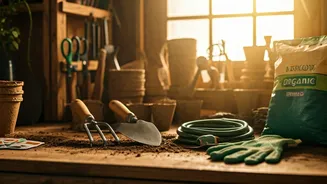
Before the frenzy of planting begins, take the time to meticulously organize and assess your gardening tools and supplies. Many hand tools, after a thorough cleaning in the fall, are stored in convenient buckets. Larger equipment might be housed in an entryway or basement. This early spring inventory involves going through everything, identifying tools that are in good working order, those that require minor repairs, and those that are beyond salvaging. Examine watering cans for any leaks and check the condition of opened bags of soil or soil amendments to ensure they are still viable. Minor mildew on soil can often be dealt with by removing the affected portion if the bulk of the bag remains usable. Similarly, clean and stack plant containers, discarding any that are broken. Diligent maintenance of your tools not only ensures they perform optimally but also significantly extends their lifespan, saving you money in the long run.
Essential Errands
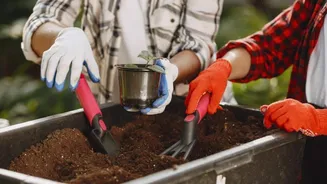
When the weather proves too wet for outdoor gardening tasks, it’s the perfect opportunity to run those essential pre-season errands. A trip to the local nursery or hardware store is in order to stock up on necessary supplies. This typically includes items you know you'll be using in abundance, such as paper lawn bags for yard waste, fresh soil and various amendments to enrich your garden beds, bagged mulch to retain moisture and suppress weeds, sturdy garden gloves for protection, and any new hand tools or replacements you identified during your inventory. Having these items readily available means you won't face delays once the prime planting window arrives, allowing you to fully capitalize on favorable weather conditions and get your garden flourishing without interruption.
Seed Sorting Strategy
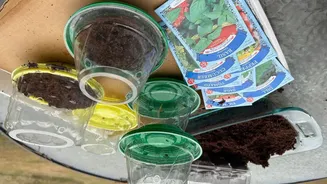
For those who enjoy saving seeds or have leftover packets from previous seasons, early spring is the ideal time for a thorough seed sorting session. This involves reviewing all your seed collections, identifying any opened but unused packets, and planning to sow them this year. To preserve their viability and protect them from pests and moisture, store opened seed packets in sealed plastic bags. Based on experience, many seeds like parsley, basil, dill, kale, arugula, and lettuce can successfully germinate even a year or two after their purchase. Similarly, annual flowers such as cosmos, zinnias, calendula, and sunflowers often remain viable for a similar duration. Properly storing and organizing your seeds ensures you make the most of your existing supply and can confidently plant a diverse range of vegetables and flowers.