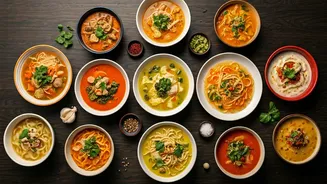







French Onion Soup
Originating from France, French Onion Soup has garnered significant popularity. Its origins trace back to the Roman Empire, though the modern version evolved
in France. The core of this soup lies in caramelized onions, which are slow-cooked to a deep, rich brown, infusing a profound sweetness. These onions are then simmered in beef broth, often enriched with wine or sherry for added depth. The soup is typically served in individual oven-safe bowls, topped with a crusty baguette slice and a generous layer of melted Gruyère cheese, creating a delightful contrast of textures and flavors. The popularity of French Onion Soup extends globally, with variations and adaptations catering to local tastes and ingredient availability.
Tom Yum Soup
Tom Yum Soup, a cornerstone of Thai cuisine, presents a vibrant blend of flavors. The name 'Tom Yum' translates to 'boiled soup,' indicating its preparation method. The distinctive taste profile stems from a harmonious balance of sour, spicy, and umami elements. Key ingredients include lemongrass, galangal, kaffir lime leaves, chilies, and fish sauce. The soup often incorporates shrimp, chicken, or vegetables, and is sometimes enriched with coconut milk for a creamy texture. Tom Yum soup's popularity extends beyond Thailand, as its unique flavor profile has made it a global favorite. It has even evolved in various versions, with chefs adding their own special touch.
Miso Soup
Miso Soup holds a prominent position in Japanese culinary tradition. This simple yet sophisticated soup is made from dashi, a flavorful broth prepared from dried kelp (kombu) and fermented skipjack tuna flakes (katsuobushi), and miso, a fermented soybean paste. The creation of miso dates back to ancient China. Beyond the basics, various ingredients are added, such as tofu, seaweed (wakame), and scallions. The umami-rich flavor of miso soup makes it a staple, often served with meals. Its simplicity and health benefits have contributed to its widespread appeal, integrating into both traditional Japanese cuisine and global dietary trends.
Minestrone Soup
Hailing from Italy, Minestrone Soup offers a hearty and versatile culinary experience. The word 'minestrone' derives from 'minestra,' which signifies soup or stew. This dish is essentially a vegetable soup, made with seasonal vegetables and pasta. Tomatoes, beans, carrots, celery, and onions are common ingredients, often combined with small pasta shapes like ditalini or elbow macaroni. Minestrone Soup, depending on the region, may include additions of meat or pesto. The soup is characterized by its adaptability, allowing for modifications according to seasonal produce. Its fresh ingredients and rich flavors have made it a favorite across the globe.
Gazpacho
Gazpacho, originating from Andalusia, Spain, is a refreshing cold soup, particularly suited for hot weather. The core ingredients are raw vegetables, most notably tomatoes, cucumbers, peppers, onions, and garlic. These ingredients are blended together with olive oil, vinegar, and sometimes bread to create a smooth or slightly chunky consistency. Historical records suggest the soup's roots in ancient times, evolving from a simple bread, oil, and vinegar mixture. Gazpacho's refreshing properties and ease of preparation have contributed to its international appeal. The soup offers a light, healthful alternative and showcases the vibrant flavors of fresh produce.
Chicken Noodle Soup
Chicken Noodle Soup, a comforting classic, is found across various cultures. Its origins are difficult to pinpoint. However, it is a soup typically prepared with chicken, noodles, and various vegetables like carrots, celery, and onions. The base usually consists of chicken broth, which imparts a savory flavor. Different cultures have their versions. The ingredients may vary based on local preferences and ingredient availability, from the addition of herbs and spices to the type of noodles used. Its simplicity and comforting nature have made it a standard remedy for colds and a beloved dish worldwide.
Ramen
Ramen is a beloved Japanese noodle soup with a diverse range of regional variations. Although originating in China, ramen has become synonymous with Japanese cuisine. Ramen involves wheat noodles, a rich broth, and various toppings. The broth’s base can be pork, chicken, or seafood, flavored with soy sauce or miso. Common toppings include sliced pork (chashu), soft-boiled eggs, seaweed (nori), and bamboo shoots (menma). The variations in broths, noodles, and toppings are extensive across different regions of Japan, providing unique flavor profiles. The customization and complex flavors of ramen have gained it widespread appeal, turning it into a global culinary phenomenon.
Borscht
Borscht is a hearty beet soup, integral to Eastern European cuisines. Its origins can be traced to Ukraine. It features beets as a primary ingredient, giving the soup its characteristic deep red color and earthy flavor. Besides beets, cabbage, potatoes, carrots, and onions are often included, and the broth can be either meat-based or vegetarian. Borscht is often served with a dollop of sour cream or yogurt and a sprinkle of fresh herbs. While the soup has several regional versions, the common thread is the prominence of beets. Its versatility and satisfying nature have made it a staple in Eastern European households and beyond.
Lentil Soup
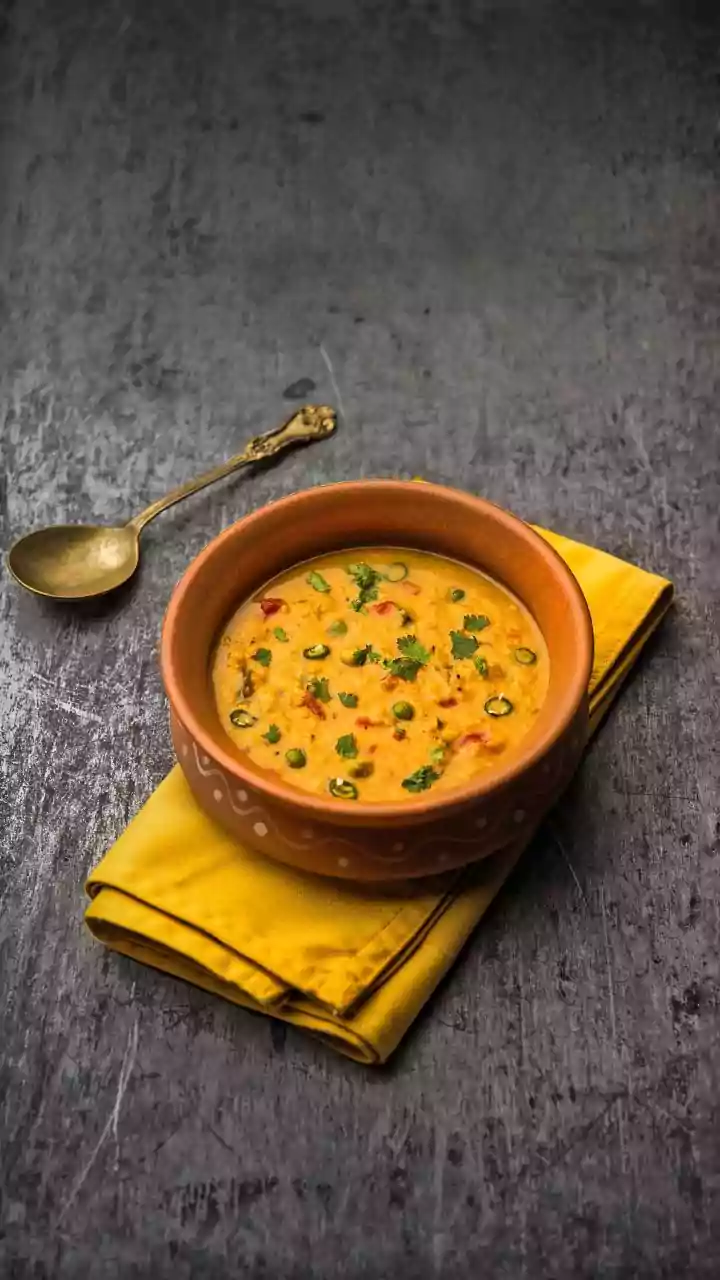
Lentil Soup is a nutritious and versatile soup, enjoyed in various cuisines around the world. The origins of lentil soup can be traced back to ancient times. The primary ingredient is lentils, which come in different varieties. The soup typically incorporates vegetables like carrots, celery, and onions, along with spices such as cumin and coriander. The base is often a vegetable or meat broth. Lentil soup is known for its high protein and fiber content. It's a satisfying and economical dish, adaptable to various regional flavors. Its simplicity, health benefits, and affordability have cemented its position as a global favorite.
Clam Chowder
Clam Chowder is a creamy soup, a quintessential dish of New England, USA, but also popular worldwide. Its roots lie in the coastal regions, especially among the fishing communities. There are two primary varieties: New England clam chowder, which has a creamy, milk or cream-based broth, and Manhattan clam chowder, which has a tomato-based broth. Both versions contain clams, potatoes, onions, and celery. The creamy style is the more famous of the two, especially within the United States. Its rich, savory flavor and hearty consistency have made it a favorite comfort food, often served with oyster crackers.