






Understanding Solitude
Solitude, simply put, is the state of being alone, away from other people. It's not necessarily the same as loneliness, which involves feeling isolated
or disconnected. Solitude can be chosen and savored, while loneliness is often an unwanted and painful experience. Many factors contribute to the discomfort some feel when alone. Societal pressure, the constant connectivity of social media, and a fear of missing out (FOMO) all play a role. Some people might find that being alone amplifies their negative thoughts or insecurities, making solitude feel like an unwelcome challenge. Others may be unaccustomed to spending time with themselves, finding the silence and introspection unsettling. Recognizing the difference between solitude and loneliness is the first step towards embracing the former.
Benefits of Solitude
Solitude offers a wealth of benefits that can significantly improve your mental and emotional well-being. Firstly, it provides space for self-reflection. When you're alone, you have the opportunity to delve into your thoughts, feelings, and experiences without external distractions. This introspection can lead to greater self-awareness, allowing you to identify your values, goals, and passions. Secondly, solitude fosters creativity. Uninterrupted time allows your mind to wander and explore new ideas, boosting your imagination and problem-solving abilities. It can be a catalyst for new insights and creative endeavors. Thirdly, solitude reduces stress. The absence of social demands and the ability to control your environment can significantly lower cortisol levels, reducing anxiety and promoting relaxation. Time alone offers respite from the demands of daily life, and helps to recharge. Finally, it enhances self-reliance. Facing yourself in solitude builds confidence and independence, helping you to develop coping mechanisms and a stronger sense of self.
Overcoming the Discomfort
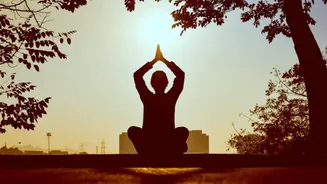
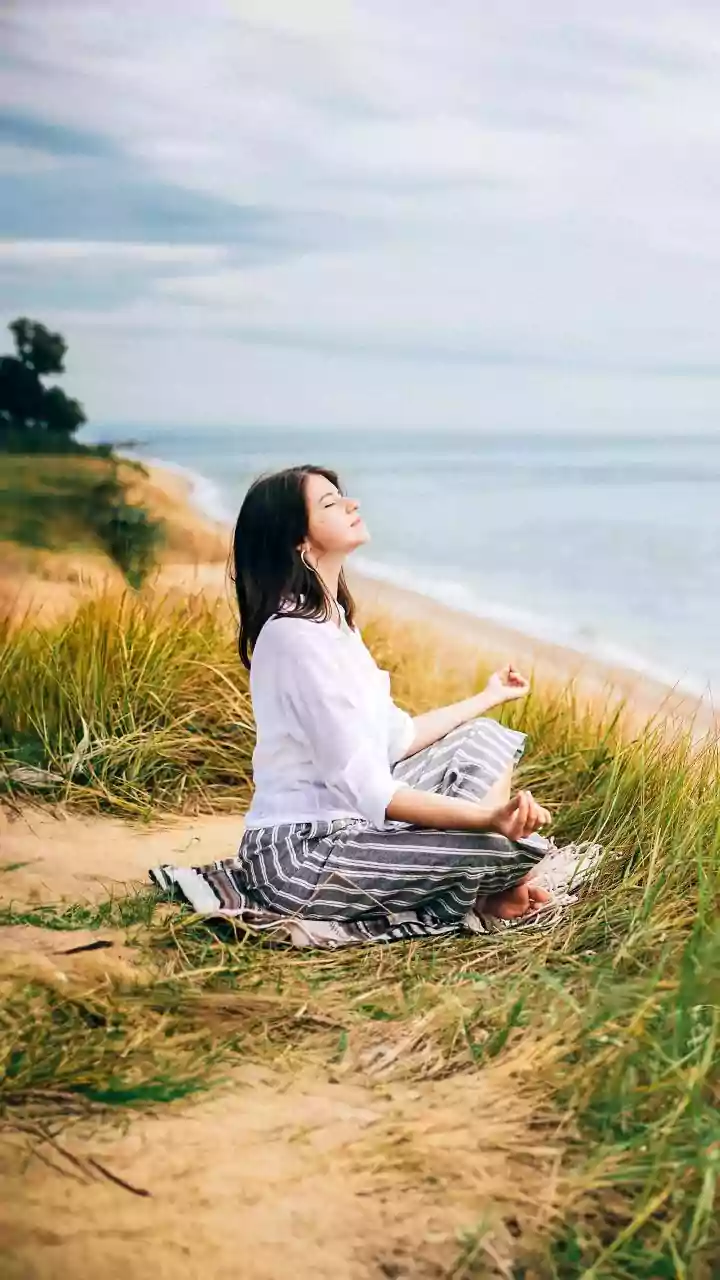
If you struggle with the feeling of being alone, there are strategies to help you become more comfortable. Start small. Begin with short periods of solitude, such as 15 minutes a day, and gradually increase the duration. Choose activities you enjoy. Engage in hobbies like reading, listening to music, writing, or nature walks. These activities can help to create a positive experience around being alone. Practice mindfulness and meditation. These techniques can help you to quiet your mind, reduce negative thoughts, and cultivate a sense of inner peace. Challenge negative self-talk. If you find yourself criticizing yourself during solitude, replace those thoughts with positive affirmations or focus on your strengths. Create a comforting environment. Make your space feel safe and enjoyable by creating a space that you enjoy spending time in, whether it be with lighting, plants or anything else you enjoy. Journaling can be beneficial. Writing down your thoughts and feelings can help you process your emotions and gain clarity. By implementing these strategies, you can gradually learn to appreciate the benefits of solitude and make it a regular part of your life.
Making Solitude Work
To fully embrace solitude, it's helpful to establish a routine. Schedule time for yourself in your calendar, just as you would for appointments or social engagements. This helps to prioritize your well-being and make solitude a consistent practice. Minimize distractions. Turn off your phone, close unnecessary tabs on your computer, and let your family and friends know that you need some uninterrupted time. Set intentions. Before you spend time alone, decide what you want to achieve or experience. Are you aiming to relax, reflect, be creative, or simply recharge? Having a clear purpose can enhance your experience. Vary your activities. Mix things up to keep things interesting. One day you might read a book, and the next you might go for a walk in nature. This variety helps to prevent boredom and keeps you engaged. Be patient. Building a comfortable relationship with solitude takes time. Don't get discouraged if you feel uneasy at first. With practice, you'll learn to appreciate the many gifts that solitude offers.