






The Power of Early Eating
For many in India, late dinners at 9 or 10 PM are a common reality, often a consequence of busy schedules. However, health experts are highlighting a simple
yet impactful change: dining between 6-7 PM. This adjustment aligns with our body's natural biological rhythms, a concept gaining traction beyond just what we consume. Research into circadian rhythms and time-restricted eating reveals that our internal clock dictates crucial bodily functions like metabolism, how we store fat, and our digestive processes. By embracing an earlier dinner, we can potentially optimize these functions, leading to a healthier metabolic state. This shift isn't about restrictive dieting but about harmonizing our eating habits with our physiology.
Metabolic Boost from Earlier Meals
The timing of your meals plays a surprisingly significant role in how your body processes food. During daylight hours, your body is typically more adept at managing blood sugar. Consuming dinner earlier can lead to a more favorable insulin response, potentially reducing post-meal blood sugar spikes. This could be particularly beneficial for individuals managing or at risk of conditions like prediabetes or type 2 diabetes, as studies suggest early time-restricted eating can improve fasting glucose levels and lower insulin concentrations. It's a principle that emphasizes working with, rather than against, your body's natural metabolic cycles for enhanced efficiency and health.
Holistic Health Advantages
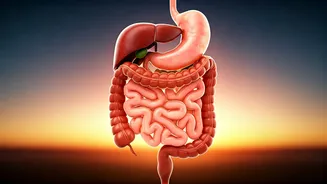
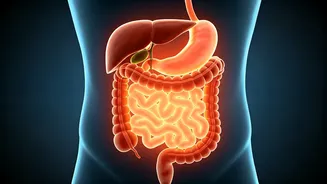
Embracing an earlier dinner, ideally before 6-7 PM, unlocks a cascade of potential health benefits. Firstly, it can enhance insulin sensitivity, helping to stabilize blood sugar levels more effectively. Secondly, a longer overnight fasting window, achieved by finishing meals sooner, may contribute to reduced inflammation markers and oxidative stress. Digestion also tends to function more smoothly when food is consumed earlier, potentially alleviating issues like bloating and reflux commonly experienced with late-night eating. Furthermore, an earlier meal can promote better sleep quality by allowing the body to wind down and release melatonin, avoiding the stimulating effects of late-night food consumption that can elevate body temperature and alert the nervous system.
Support for Fat Loss & Heart
The benefits of an earlier dinner extend to weight management and cardiovascular health. By establishing a fasting window of 12-14 hours overnight, the body may be encouraged to tap into fat stores for energy, which can aid in fat loss, particularly visceral fat. This also naturally curtails late-night snacking habits that often contribute to excess calorie intake. Beyond weight, research also suggests a link between earlier meal timing and positive outcomes for heart health, including improvements in blood pressure and lipid profiles. This indicates that the time you eat can be as crucial as what you eat for maintaining a healthy heart and a balanced body composition.
Broader Health Context
While the timing of your meals is a powerful lifestyle factor, it's crucial to remember it complements, rather than replaces, other fundamental aspects of well-being. Overall diet quality, maintaining a calorie balance, engaging in regular physical activity, and ensuring adequate sleep are the cornerstones of long-term health. However, integrating earlier meal times, particularly dinner, can act as a significant supportive element. The fundamental concept is to synchronize our eating habits with our body's natural 24-hour cycle, or circadian rhythm. Even a modest shift in when you dine can contribute positively to your metabolic health, especially when combined with a balanced diet and consistent exercise routine.