



Understanding T-Shirt Basics
T-shirts are a staple in almost every wardrobe, but their basic design allows for diverse interpretations in terms of materials, fits, and intended uses.
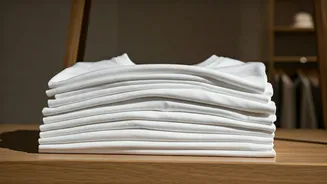
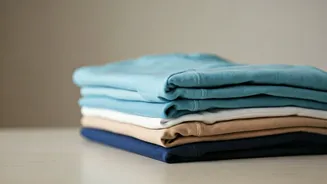
They primarily serve the function of providing comfort and a means of personal expression. The versatility of a t-shirt makes it suitable for layering or wearing on its own. The significance of the material cannot be overstated, influencing comfort, durability, and the overall look. Cotton is a frequent favorite because of its breathability and gentleness on the skin, although the type of cotton can greatly affect its quality. Fits vary considerably, ranging from slim and athletic to relaxed and oversized, reflecting a broad range of preferences. A t-shirt’s adaptability is enhanced by its simplicity, which makes it perfect for many different style interpretations. Different neckline designs, such as crew neck, V-neck, and Henley, provide opportunities for varied looks. It should also be considered if the t-shirt is intended for casual use, athletic activities, or formal gatherings. A well-chosen t-shirt should be practical, comfortable, and a good reflection of the wearer's personal style.
Importance of Material Quality
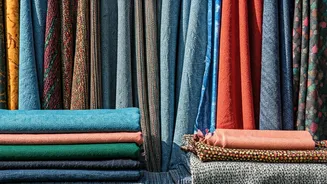
The material selected directly affects the comfort, durability, and appearance of a t-shirt. Cotton, particularly pure cotton, is a widely favored choice for its inherent softness and breathability. Its ability to absorb moisture makes it suitable for India's warm climate. The grade of cotton is critical; the higher the quality, the softer and more durable the t-shirt will feel. The feel against the skin is noticeably better with higher-grade cotton. Synthetic materials, like polyester, add their own advantages, notably resistance to shrinking and fading, alongside easy care. Blends of cotton and synthetic fabrics often try to find a balance between the benefits of both materials. These mixes may improve comfort while also improving the fabric’s durability. The weight of the fabric influences its drape and suitability for different seasons. A lighter fabric is ideal for warmer weather and will drape better. Heavier fabrics can be more resilient and suitable for wearing in layers. Considering these factors helps in selecting the ideal t-shirt that will meet the demands of everyday life while offering enduring comfort and style.
Perfecting the Fit
The fit of a t-shirt affects both its appearance and how comfortable it feels. There are various fits, each suited to different body types and style preferences. Slim-fit t-shirts are made to follow the contours of the body, providing a tailored and modern appearance, which may be more suitable for athletic builds. A regular fit provides a classic, adaptable look that complements many body types. It is not too tight and not too loose. Relaxed or oversized fits prioritize comfort, providing ample room for movement, which gives off a casual, laid-back appearance. The fit should allow for unrestricted movement while complementing the wearer’s body. Sleeves need to be considered. Sleeves that are too tight may restrict movement, while sleeves that are too loose may look sloppy. The length is also important. The t-shirt should ideally fall to the mid-hip. Trying on different fits is important to determine the ideal choice. Consider the activities the t-shirt will be worn for. For example, a workout would be more appropriate for a slim-fit, while casual events work well with a relaxed fit. The right fit helps to enhance one’s personal style and provides everyday comfort.
Style and Versatility
A t-shirt's versatility makes it a must-have in a wardrobe. It can be paired with almost anything, making it suitable for many occasions. For a casual style, a t-shirt can be paired with jeans, shorts, or chinos. Adding sneakers or sandals completes the look, making it suitable for everyday wear. The t-shirt's simple design enables it to be dressed up or down. Layering is a great way to add style. Putting a t-shirt underneath a button-down shirt, a jacket, or a blazer instantly elevates the look. A plain t-shirt also works as a foundation for experimenting with different layers. Accessories can significantly enhance the t-shirt's look. Adding a statement necklace, a watch, or a scarf can instantly upgrade the style. Colors and patterns are important. Neutral colors like white, black, and gray are versatile and match well with anything. Solid colors are easy to match, while patterns add a unique flair. These considerations allow individuals to design a personalized style, adapting the t-shirt to suit a variety of outfits and occasions. The t-shirt is a flexible garment for various fashion styles.