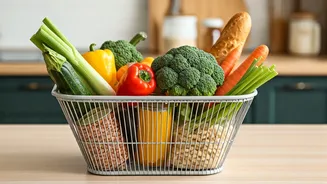









Budget Grocery Shopping
To begin your culinary adventure, explore budget-friendly grocery stores. These stores often provide comparable quality at significantly lower prices,
allowing you to stretch your food budget further. Comparison shopping is also a great strategy. Check prices at various stores before committing to your shopping list. Look for seasonal produce, as it tends to be cheaper. Also, consider purchasing in bulk for non-perishable items that you use frequently, such as rice or pasta. Don't underestimate the value of store brands. They usually provide excellent quality at a lower cost than name brands. Planning your meals ahead can significantly reduce food waste and save you money.
Cook With Roommates
Teamwork makes the dream work, especially when it comes to cooking. Cooking and grocery shopping with roommates can make the experience more enjoyable and cost-effective. Sharing the cooking duties divides the labor, making meal preparation less overwhelming. You can rotate who cooks each night, or work together to prepare multiple meals at once. Moreover, pooling resources enables you to buy groceries in bulk, which is often more affordable. Discuss your weekly menus and shopping lists in advance to avoid duplicated purchases and food waste. Experiment with diverse cuisines by sharing recipes and exploring different cooking styles. Ultimately, cooking together fosters bonding and reduces the individual burden of meal preparation.
Simplify Your Meals
Don't overcomplicate things when it comes to cooking. Begin with straightforward recipes that include a few basic ingredients. The more you cook, the more confident you'll become and feel comfortable experimenting with new recipes. To add flavor to your simple meals, use a good sauce. This can significantly elevate the taste of a dish without requiring many ingredients. Consider purchasing pre-made sauces that meet your dietary requirements. Explore using herbs and spices to customize dishes. Start with basic seasonings like salt, pepper, garlic powder, and onion powder, and gradually explore other flavors. Remember that simplicity doesn't mean boring. A few well-chosen ingredients, cooked with care, can produce delicious results.
Snap Food Pics
Turning your culinary efforts into a memorable experience is simple. Take photos of the meals you prepare. This not only creates a visual record of your culinary journey but can also serve as a source of inspiration for future meals. Photos can help you remember what you liked and disliked about different recipes. Furthermore, documenting your meals allows you to track your progress and identify areas for improvement. Share your photos with friends and family. They can provide feedback and encourage your cooking efforts. You can also create a digital cookbook of your favorite recipes, complete with photos and personal notes. Remember, these pictures capture not just the food but also the memories associated with them.
Source Your Recipes
Select recipes from a single source to simplify your cooking experience. This makes it easier to stay organized and find reliable recipes. The chosen source could be a cookbook, a favorite website, or a collection of family recipes. When using a cookbook, start by making notes in the margins, recording your experiences, and adjusting instructions to suit your tastes. Websites usually offer a variety of recipes, from simple to complex, allowing you to gradually develop your cooking skills. A consistent source ensures you build a collection of recipes you enjoy and understand. Sticking to one source minimizes the time spent searching for recipes and simplifies grocery shopping, as you'll become more familiar with the ingredients. Over time, you'll become more efficient in the kitchen.
Invest Smartly
When starting, you do not need an array of fancy appliances to cook effectively. Begin with the basics: a good set of pots and pans, a sharp knife, and basic utensils. As your skills improve and your budget allows, consider adding a few time-saving tools. A slow cooker can be used to make delicious meals with minimal effort. A blender can streamline the preparation of sauces, smoothies, and soups. A food processor makes chopping vegetables easy and efficient. Before purchasing any appliance, consider if it truly simplifies your cooking process. Focus on tools that will significantly enhance your culinary experience. Remember, quality over quantity is vital. Invest in durable, versatile tools that will last.
Childhood Favorites
There is value in reconnecting with your childhood through food. Learning to prepare the dishes you grew up with can be enjoyable. These foods can evoke happy memories and offer a sense of comfort and familiarity. Ask family members for their recipes or search online for similar ones. Don't worry if your first attempts aren't perfect. Cooking is a learning process, and each meal prepared is an opportunity to improve. Try to adapt recipes to your dietary needs and tastes. It can also be a wonderful way to connect with your heritage and share your memories with others. Cooking your favorite childhood meals can provide more than just nourishment; it can be a source of pleasure and nostalgia.
Embrace Leftovers
Make leftovers your best friend. Planning meals that include leftovers is a great way to save time and reduce food waste. Whenever you cook, consider making a little extra to enjoy the next day or later in the week. Store leftovers in properly labeled, airtight containers in the refrigerator. Use leftovers in creative ways. Turn roasted chicken into chicken salad, or use leftover vegetables to make a frittata. Think about it. Leftovers make your life much simpler, as you already have a meal ready to go. You can also freeze leftovers for later. This will ensure you always have a quick, healthy meal on hand. Embracing leftovers will help you eat better and make the most of your resources.
Learn Substitutions
Master the art of substitutions when you cook. Learning to make ingredient substitutions is a useful skill. For example, if a recipe calls for an ingredient you don't have, find a suitable replacement. This will help you to be flexible in the kitchen and avoid unnecessary trips to the grocery store. Be aware of the flavor profiles of the ingredients. When substituting, try to match the original flavors of the recipe. Researching reliable substitutes can be simple with online resources. You can search the internet for tips or suggestions for the substitute. Always taste your food and adjust the seasoning accordingly. Learning to substitute ingredients gives you the confidence to experiment with new recipes and adapt them to your tastes.
Omit Unnecessary Steps
Knowing what steps and ingredients you can omit in recipes can speed up your cooking and improve efficiency. Many recipes include unnecessary steps that can be skipped without compromising the final result. Focus on the most important steps and streamline your process. Simplify your meal preparation by preparing ingredients in advance. Chop vegetables and measure ingredients beforehand. Remember that not every recipe needs every step. As you become more confident, you can adapt recipes to suit your preferences and dietary needs. Experiment and discover what works best for you and your lifestyle. Keep in mind that the aim is to create delicious food with minimal effort, and omitting unnecessary steps can get you there faster.