






New Policy Unveiled
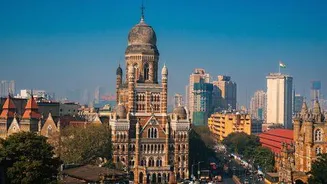
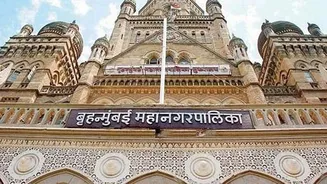
The Brihanmumbai Municipal Corporation's Improvements Committee has greenlit a groundbreaking amendment to the Development Control and Promotion Regulation
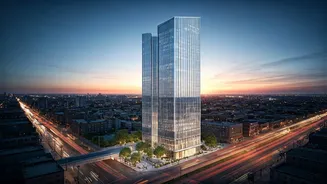
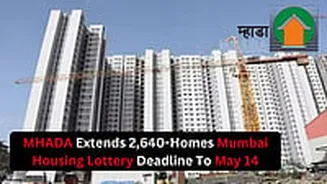
(DCPR) 2034. This pivotal policy shift is designed to dramatically increase the potential for high-rise construction in Mumbai. Previously, the width of the road often dictated the maximum permissible building height, making it challenging to develop in densely populated areas with narrower thoroughfares. However, this revised regulation now permits taller structures on roads that are as little as 9 meters wide, and even smaller in some instances. This initiative is primarily aimed at accelerating the redevelopment of the city's numerous old and potentially unsafe buildings, a long-standing challenge for urban planners and residents alike. The proposal awaits final endorsement from the state urban development department before it can be fully implemented across Mumbai, signalling a potential boom in construction and urban regeneration.
Graded Height System
A key innovation within this new policy is the introduction of a graded height system that directly correlates building height with the width of the access road. This structured approach provides clear guidelines for developers. For roads measuring 3.6 meters in width, buildings can reach up to 32 meters, approximately 10 floors. As road width increases, so does the permissible building height; a 4.5-meter road allows for structures up to 70 meters (around 21-23 floors), and a 6-meter road permits buildings of up to 120 meters (over 30 floors). Significantly, for roads measuring 9 meters or wider, the height limitation is removed, allowing for buildings taller than 120 meters. This graduated framework ensures that development is somewhat proportionate to the existing infrastructure, while still unlocking considerable vertical growth potential in previously restricted zones.
Wider Reach of Rules
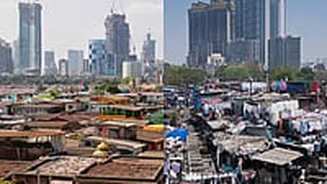
This progressive policy is set to extend its impact across the entirety of Mumbai, including its older, established neighbourhoods, the traditional gaothan areas, and even the more intricate internal by-lanes of its suburbs. These are precisely the locations where redevelopment has historically faced significant hurdles due to the narrowness of surrounding roads. The implications are substantial, particularly given that over 40,000 buildings in the city are currently more than 30 years old, raising considerable safety concerns among residents. Many redevelopment projects have been stalled for years precisely because existing regulations prohibited construction of adequate height and scale on these constricted access routes. By removing these barriers, the new policy is poised to inject new life into these stalled projects and significantly increase Mumbai's overall housing stock.
Safety and Infrastructure
While the prospect of enhanced redevelopment and increased housing supply is promising, the policy emphasizes that all new high-rise projects must strictly adhere to stringent fire safety regulations and obtain necessary approvals before construction can commence. The fire brigade's clearance is a mandatory prerequisite for every development. Furthermore, urban planners and civic bodies acknowledge the critical need to concurrently upgrade the city's foundational infrastructure, including roads, traffic management systems, and essential utilities, to effectively manage the heightened density that will result from these taller buildings. The success of this policy hinges not only on the construction of new high-rises but also on ensuring that the city's existing services can adequately support a more densely populated urban fabric.