



Icy Hazards for Wildlife
As winter blankets gardens in frost and ice, common surfaces like netting and patios transform into treacherous terrains for small animals. Birds and hedgehogs,
particularly vulnerable due to their size, face significant risks of slipping and falling while searching for food or shelter. The frozen landscape makes even short journeys perilous, potentially leading to injury or hindering their ability to access essential resources. This challenge underscores the need for simple yet effective interventions to safeguard our local fauna during the colder months, ensuring they can continue their vital ecological roles without undue harm from the elements.
Tennis Balls as Traction Aids
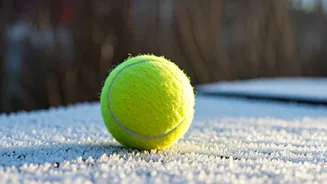
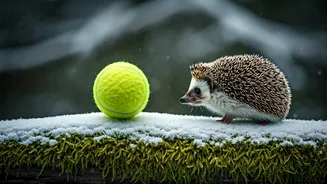
A novel approach is gaining traction among gardeners: utilizing ordinary tennis balls to create safer pathways for winter wildlife. By strategically placing these fuzzy spheres on garden netting, patios, and other common animal routes, a surprising amount of added grip is achieved. Research on textured rubber surfaces, such as shoe soles, demonstrates that texture significantly enhances resistance to sliding on ice. Tennis balls, with their distinctive rubbery, textured exterior, act as miniature grip enhancers, making it easier for birds to land and for hedgehogs to traverse slippery areas without mishap. Their vibrant color also serves as an additional visual cue, attracting the attention of animals in a stark, wintry environment.
Aiding Bird Navigation
For avian visitors, the winter season presents a dual challenge of finding sustenance and maintaining stable footing. Freezing temperatures can render bird feeders and surrounding areas into slick landing zones, forcing birds to expend extra energy on balance rather than foraging. The textured surface of a tennis ball offers a reliable and non-slippery platform, allowing birds to alight and peck for food with greater security. When positioned near feeders or in open garden spaces, these balls not only provide a safe haven but also act as attractants, encouraging birds to frequent these areas. This simple intervention helps conserve their energy reserves, which are critical for survival during harsh weather, ensuring they can access nourishment more efficiently.
Hedgehog's Safe Passage
Hedgehogs and other small ground-dwelling mammals also face considerable difficulty navigating icy garden paths during their nocturnal foraging expeditions. The combination of frost, fallen leaves, and potentially icy patches can make even familiar routes perilous. By placing tennis balls along established hedgehog trails or near their shelters, gardeners can provide much-needed stability. This crucial footing helps prevent slips and tumbles, allowing hedgehogs to move more confidently in their search for food and safe resting spots. The enhanced traction conserves their energy, which is vital for maintaining body temperature and overall health throughout the winter months, contributing to their successful hibernation or foraging efforts.
Strategic Placement Tips
To maximize the effectiveness of this tennis ball solution, careful consideration of placement is key. Position the balls in areas of high animal traffic and where ice tends to form most readily. This includes locations surrounding bird feeders, beneath garden netting, along patio edges, and near any designated 'hedgehog highways' or entrances to wildlife refuges. The bright colors of tennis balls make them highly visible against snowy backgrounds, guiding animals towards these safer surfaces. Regular checks are recommended to ensure the balls remain in place, especially after heavy snowfall or strong winds. Adjusting their positions based on observed animal behavior or changing weather patterns will further enhance their utility and ensure consistent benefit to local wildlife.
Complementary Winter Care
While tennis balls offer a remarkable solution for traction, they are most effective when integrated into a broader strategy of winter wildlife support. Gardeners can further assist by ensuring a continuous supply of unfrozen water in bird baths, perhaps by adding small floating objects to create slight water movement. Maintaining natural garden elements like fallen leaves, seeds, and native plants provides essential food sources and habitats for insects and small mammals, indirectly benefiting larger animals. Avoiding the use of synthetic materials and minimizing pesticide application helps preserve the natural ecosystem, ensuring wildlife has access to nourishment and shelter throughout the cold season. These combined efforts significantly bolster the resilience of garden fauna against the rigors of winter.