
Market’s Upward Momentum
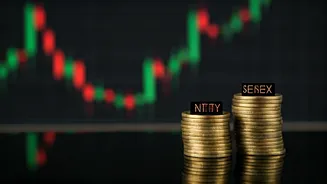
The initial surge in the Nifty and Sensex suggests a shift in investor sentiment. Several factors converged to create this environment. Short-covering,
where traders buy back previously sold shares to limit losses, likely contributed to the increase. This activity itself can propel prices upward, creating a positive feedback loop. Moreover, expectations around trade deals often fuel optimism. Such agreements can signal economic growth and stability. As a result, this can attract both domestic and foreign investment. The combination of these elements typically forms the basis for a sustained bullish trend. Thus, the early indicators are pointing towards a continuation of this upward journey for the Indian stock market.
Short-Covering Effect
The practice of short-covering plays a crucial role in amplifying market movements. When the market moves against short-sellers, they are compelled to buy back the shares they previously sold. This action, designed to limit their losses, inadvertently boosts the prices. As more short-sellers cover their positions, the demand for shares increases. The upward pressure on prices then intensifies. This dynamic is especially evident during periods of significant market volatility. The initial upward movement encourages further short-covering. This, in turn, fuels the rally. The effect can be quite pronounced. This can result in sharp increases in market indices, like the Nifty and Sensex. This aspect contributes to the overall bullish narrative, and it can be a vital component of the present market behavior.
Trade Deal Optimism
Expectations around trade agreements often serve as a catalyst for market rallies. These deals signify economic growth and stability. They encourage both domestic and international investors to allocate capital into the market. This increased investment activity boosts demand for stocks. This, in turn, drives up market prices. Furthermore, trade agreements facilitate greater economic integration. This leads to increased business confidence and corporate earnings growth. The positive sentiments associated with trade deals typically translate to higher valuations. This is especially true for companies that are directly involved in international trade. The anticipation of these agreements can become a self-fulfilling prophecy. This is because investors begin to position their portfolios in anticipation of future gains. Therefore, the market's favorable initial move could be sustained by the optimism surrounding prospective trade agreements.
Sustaining the Gains
For the positive trend to be sustained, continuous monitoring of various factors is essential. Economic data, such as inflation figures and employment numbers, play a major role in shaping investor sentiment. Strong economic data typically bolsters confidence in the market. Furthermore, global economic developments can influence market behavior. Events in major economies around the world can influence trading patterns in India. Another important aspect to watch are corporate earnings. Positive earnings reports often encourage investment. This further supports the bullish movement. Moreover, changes in government policies, such as tax reforms, also have an impact on market behavior. Overall, continued market gains depend on these factors.
Investor Strategies
Given the current market outlook, investors might consider different strategies. For instance, diversifying portfolios across various sectors can help mitigate risk. Those with a higher risk tolerance might consider investing in stocks with high growth potential. However, a more conservative strategy involves investing in established, stable companies. It's advisable to stay informed about market developments and news. Also, a balanced approach should be adopted. The market's behavior is influenced by various external factors. Therefore, any decision must be guided by appropriate and comprehensive market research. Consulting a financial advisor can also provide personalized insights.