



Whole Moong Powerhouse
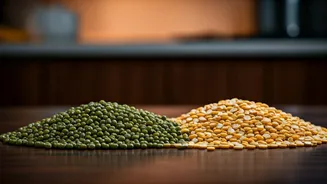
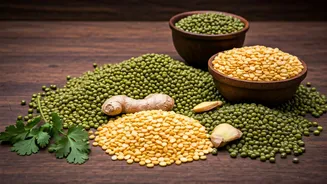
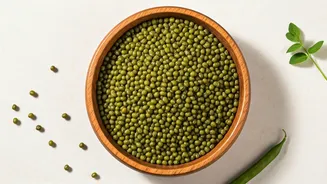
Whole green moong, a nutritional giant, is celebrated for its high protein and fiber content, making it an excellent choice for sustained energy and digestive
health. Chef Sanjeev Kapoor emphasizes its role as a foundational lentil, rich in vitamins and minerals vital for overall well-being. To truly harness its potential, sprouting whole moong is recommended, as this process significantly enhances its nutrient bioavailability and digestibility, yielding more enzymes, antioxidants, and vitamin C, which are crucial for a robust immune system. A delightful way to enjoy whole moong is through Green Moong Oats Tikki, a savory snack or meal addition. This recipe involves mashing boiled whole moong with oats powder, mashed potato, onion, and a blend of spices like red chili powder, salt, and chaat masala, along with green chilies and fresh coriander. The mixture is then shaped into tikkis and shallow-fried until golden brown, offering a crispy, flavorful, and protein-packed treat.
Yellow Moong Delight
Yellow moong dal, also known as split moong without its skin, is a staple in Indian kitchens due to its ease of preparation and digestibility. This variety is a fantastic source of protein, folate, iron, and magnesium, contributing significantly to daily nutrient intake without causing heaviness. Its gentle nature makes it ideal for those with sensitive stomachs, and its mild flavor profile allows it to be a versatile ingredient in numerous dishes, from soothing soups to hearty khichdi. A popular and wholesome recipe featuring yellow moong dal is Pesarattu, a protein-rich pancake. To prepare it, skinless split green gram and rice are soaked together for several hours. This mixture is then blended with green chilies, ginger, cumin seeds, and salt into a smooth batter. Cooked on a hot tawa with a bit of oil, this pancake is topped with gunpowder, chopped onions, and coriander, creating a delicious and filling meal perfect for breakfast or a light lunch.
Split Moong with Skin
Split green moong dal, which retains its green skin, offers a concentrated source of fiber, minerals, and essential vitamins. According to Chef Sanjeev, the presence of the skin slows down digestion, promoting satiety and aiding in blood sugar management, making it beneficial for weight management and blood sugar control. Notably, this variety is gentler on the digestive system compared to whole moong, making it a suitable option for individuals with delicate digestive tracts. It's also relatively easy to cook and can be incorporated into various culinary creations, including soups, stews, and curries, adding both nutritional value and flavor. A comforting and highly recommended dish is Moong Masoor Ki Dal, a fusion of split green moong with skin and red lentils. This dal is prepared by cooking both lentils with water, salt, turmeric powder, red chili powder, and dried mango powder until tender. A flavorful tempering is then made with oil, asafoetida, garlic, dried red chilies, onions, green chilies, and tomatoes, which is added to the cooked dal, resulting in a rich, nutritious, and satisfying meal often served with rice or roti.