








Diet and Nutrition
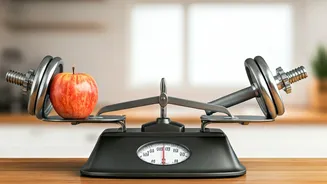
Your diet plays a massive role in reducing belly fat. Focus on consuming whole, unprocessed foods. This means plenty of fruits, vegetables, lean proteins,
and whole grains. These foods are packed with nutrients and fiber, which helps keep you feeling full and satisfied, thus preventing overeating. Reduce your intake of sugary drinks, processed foods, and excessive amounts of unhealthy fats. These contribute to weight gain and the accumulation of abdominal fat. Consider consulting with a nutritionist or a registered dietician to create a customized meal plan that aligns with your individual needs and lifestyle. They can provide valuable guidance on portion control, balanced nutrition, and ways to make healthier food choices. Remember, a balanced diet is a key component to losing belly fat and improving overall health. Make a sustainable shift towards wholesome foods. Small changes can lead to substantial long-term results.
Exercise Regularly
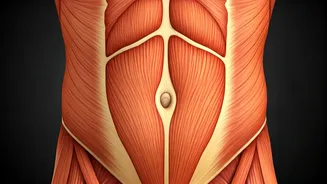
Regular physical activity is an essential component of any effective belly fat reduction strategy. Include a combination of cardiovascular exercises and strength training exercises. Aim for at least 150 minutes of moderate-intensity cardio, such as brisk walking, jogging, or cycling, or 75 minutes of vigorous-intensity cardio, like running or high-intensity interval training (HIIT), each week. Cardio exercises are extremely effective at burning calories and reducing overall body fat, including the fat around your abdomen. Alongside cardio, incorporate strength training exercises that work your core muscles. Exercises like planks, crunches, and leg raises will help tone and strengthen the abdominal muscles. Strength training also helps to boost your metabolism, which can further aid in fat loss. A well-rounded exercise routine not only helps you lose belly fat but also improves your overall fitness and well-being. Start gradually and increase the intensity and duration of your workouts as your fitness level improves. Consider exploring different types of exercises to find activities you genuinely enjoy, making it easier to stick to your routine.
Manage Stress Levels
Chronic stress can lead to increased cortisol levels in the body, which can contribute to fat storage, particularly in the abdominal area. Find healthy ways to manage your stress, such as yoga, meditation, deep breathing exercises, or spending time in nature. Yoga combines physical postures, breathing techniques, and meditation, making it a great option for stress reduction and physical fitness. Meditation and deep breathing exercises can help calm your mind and reduce the production of stress hormones. Other stress-reducing activities include spending time on your hobbies, listening to music, or connecting with friends and family. Incorporating these practices into your daily routine is an effective way to manage stress. Prioritize getting enough sleep. Aim for 7-9 hours of quality sleep each night. Lack of sleep can disrupt your hormones, increase stress levels, and lead to weight gain. Create a relaxing bedtime routine to ensure better sleep. Proper sleep is essential for overall health, and it supports weight loss efforts by regulating hormones that control appetite and fat storage. By implementing these strategies to manage stress, you can create a more balanced and healthier lifestyle that promotes belly fat loss and well-being.
Get Enough Sleep
Sleep plays a vital role in weight management and can significantly affect belly fat loss. When you don't get enough sleep, your body produces more of the hunger hormone ghrelin and less of the fullness hormone leptin. This can lead to increased cravings, overeating, and weight gain, particularly around the abdomen. Aim for 7-9 hours of quality sleep each night. Establish a consistent sleep schedule by going to bed and waking up around the same time every day, even on weekends. Create a relaxing bedtime routine that includes activities like reading a book, taking a warm bath, or listening to calming music. Ensure your bedroom is dark, quiet, and cool. Consider using blackout curtains, earplugs, or a white noise machine to create an optimal sleeping environment. Prioritize sleep as much as possible. It is a critical aspect of overall health. Adequate sleep helps regulate hormones related to appetite and metabolism, contributing to more successful weight loss. By prioritizing sleep, you can support your body's natural fat-burning processes and improve your chances of reducing belly fat.
Stay Hydrated Daily
Drinking enough water is extremely important for many bodily functions. Staying adequately hydrated can indirectly support belly fat loss. Water can help boost your metabolism, which is essential for burning calories. Drinking water before meals can help you feel fuller, potentially reducing your calorie intake. Aim to drink at least eight glasses of water per day, or more, depending on your activity level and the climate. Carry a reusable water bottle with you throughout the day to make it easier to stay hydrated. Infuse your water with fruits like lemon or cucumber for added flavor and benefits. These fruits offer extra vitamins and antioxidants, potentially aiding in overall health. You can also drink herbal teas and unsweetened beverages to help meet your daily fluid requirements. Avoid sugary drinks like sodas and juices. These often contain empty calories that can hinder your weight loss progress. By drinking enough water, you can support your metabolism, improve your overall health, and help your efforts to reduce belly fat.