


The Shift Away
The personal care aisle is undergoing a significant transformation, with consumers moving away from familiar, mass-produced items toward artisanal alternatives.
There's a discernible trend towards small-batch soaps, bath bombs formulated with recognizable ingredients, and body care products that prioritize transparency. Data indicates a substantial rise in interest in natural skincare, signaling a fundamental change in how people view products that come into direct contact with their skin. This evolution isn't merely about aesthetics or following trends; it stems from a heightened awareness of the ingredients found in conventional products and their potential impact on both individual well-being and the broader environment. Artisanal soap makers have witnessed this shift firsthand, observing consumers' growing demand for products made with intention and care, moving beyond the artificial promises of large-scale manufacturers towards a more wholesome approach to personal hygiene.
Decoding Product Labels
Conventional drugstore soaps often boast vibrant colors and numerous promised benefits, but a closer look at their ingredient lists reveals a complex array of synthetic fragrances, sulfates, and unpronounceable chemicals. Consumers are now scrutinizing these labels more than ever, questioning the purpose of ingredients like parabens, artificial colors, and the generic 'fragrance' that can often lead to skin irritation. Mass-produced soaps frequently utilize harsh detergents that strip the skin of its natural oils, resulting in dryness and discomfort. Furthermore, synthetic scents can trigger allergic reactions, while preservatives, though extending shelf life, may compromise skin health. The environmental cost is also significant, with plastic packaging contributing to landfill waste with every purchase. This growing unease with synthetic additives and excessive packaging is driving consumers to seek out alternatives that are both gentler on the skin and kinder to the planet, sparking a resurgence in traditional soap-making methods.
The Artisan Advantage
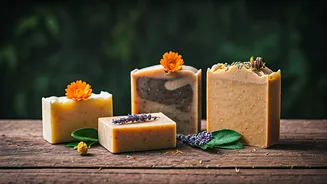
Handcrafted soap presents a compelling alternative, emphasizing a more natural and conscious approach to cleansing. Small-batch producers typically opt for natural oils, plant-derived components, and essential oils for fragrance, eschewing the synthetic substitutes common in mass-produced goods. Many of these artisans also champion sustainability through their packaging, favoring paper wraps or entirely package-free options, thereby significantly reducing plastic waste. The ingredients are often ethically sourced, supporting sustainable farming practices over industrial agriculture. As one maker explained, handcrafting soap allows for complete control over every ingredient, eliminating the need for harsh chemicals to accelerate production or synthetic preservatives for extended shelf life. This results in soap that is fresh, gentle, and intentionally made. This level of transparency is highly valued by today's consumers, who desire bath products that are safe for their skin and do not contribute to environmental degradation, a balance that handcrafted soaps effectively strike.
Choosing Wisely
Transitioning from commercial soaps to handcrafted varieties is a simple process, but understanding what to look for ensures you select a quality product suited to your skin's needs. Begin by examining the ingredient list for natural oils such as olive, coconut, shea butter, or jojoba, which nourish and moisturize without stripping the skin. Essential oils provide natural scents like calming lavender, invigorating peppermint, or bright citrus, avoiding the irritation risks associated with synthetic fragrances. Olive oil, in particular, is recognized for its gentleness, offering a rich source of antioxidants and vitamins beneficial for the skin, and creating a creamy lather that cleans effectively without leaving a tight, dry sensation. It's advisable to steer clear of soaps containing sulfates (like sodium lauryl sulfate), synthetic fragrances listed generically as 'fragrance' or 'parfum,' and artificial colors, as these additives offer no skin benefits and can potentially cause harm. By prioritizing natural oils and avoiding harsh chemicals, consumers can embrace a more beneficial and conscious skincare routine.