






Gen Z's Crashout Culture
The digital age has fostered a generation, particularly Gen Z, that doesn't just experience minor setbacks; they 'crash out.' This isn't about genuine
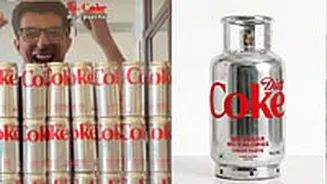
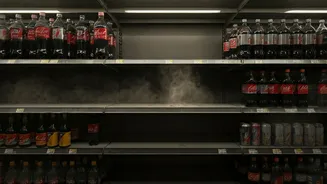
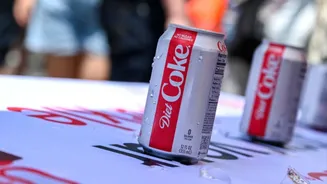
emergencies, but rather the collapse of an entire personality when something as trivial as an 'item unavailable' notification appears on a delivery app. A recent widespread Diet Coke shortage in India, attributed to supply chain constraints, has become the latest catalyst for this phenomenon. For Gen Z, who are conditioned to expect immediate gratification and have built routines around certain comforts, the unavailability of a beloved item like Diet Coke triggers a disproportionately intense reaction. It’s not simply disappointment; it's a systemic disruption that feels profoundly personal and leads to a collective online outcry.
Diet Coke: More Than a Drink
Diet Coke has transcended its status as a mere beverage to become an ingrained part of many individuals' identities, especially within Gen Z. It functions as a personality trait, a carefully curated prop, a psychological crutch, and for some, a complete aesthetic. The consumption of Diet Coke often involves a detailed ritual: ensuring the can is at the precise temperature, pouring with a specific aggressiveness, and even artfully placing a lemon slice. This meticulous approach suggests it's less about quenching thirst and more about adhering to a deeply personal belief system or lifestyle. For those who 'get it,' it's an essential element of their daily experience, and its absence feels like a betrayal of this unspoken agreement.
Echoes of Past Shortages
The Diet Coke situation is not an isolated incident; it's part of a recurring pattern of 'very unserious shortages' that have profoundly impacted Gen Z. This generation has previously experienced similar emotional spirals over other coveted items. There was the 'matcha moment,' where individuals who had built their persona around oat milk matchas were forced to confront scarcity, leading to hoarding and a sense of profound loss. Similarly, limited-edition collectibles like 'Labubus' triggered intense urgency and subsequent exhaustion among shoppers, highlighting the power of scarcity in driving desire. The 'Dubai Chocolate' trend, driven by its pistachio flavor and perceived rarity, and the Samyang Buldak Carbonara ramen, which gained immense popularity online, also exemplify how viral trends can quickly lead to feelings of unattainable desire when supply dwindles.
The Psychology of Scarcity
The predictable cycle of something going viral, becoming desirable, and then experiencing scarcity, culminating in a personal crisis, offers a fascinating insight into modern consumer behavior. While objectively trivial, these 'micro-meltdowns' reveal a deeper human need for routine and the comfort derived from small, reliable pleasures. When these predictable elements disappear, even temporarily, the reaction is often irrational but fundamentally human. The expectation of instant availability, cultivated by the convenience economy, makes any disruption feel particularly jarring. This reliance on readily accessible comforts underscores a desire for stability in an often chaotic world.