



A London Echo
Shekhar Suman's residence is a breathtaking four-storey Victorian-style penthouse situated in Mumbai, a testament to his and his wife Alka's shared vision.
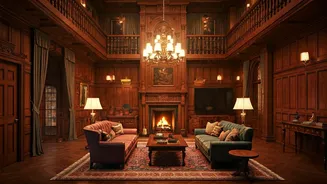
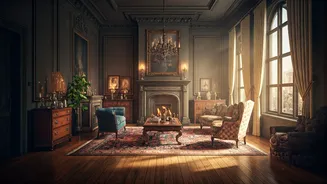
Upon entering, filmmaker and choreographer Farah Khan expressed sheer astonishment, remarking that the home felt less like it was in Lokhandwala or even Mumbai, and more like stepping into London itself. The interiors are a masterful blend of classic English aesthetics with deeply personal touches. Pastel hues, antique furnishings, and a curated collection of items gathered from global travels contribute to an atmosphere of sophisticated nostalgia. The space is characterized by dramatic visual elements, including elaborate chandeliers, finely carved pillars, and a balcony offering serene views of the sea and hills. This carefully orchestrated design transforms the dwelling from a mere structure into a narrative-rich environment, where every object and architectural detail tells a story, creating an immersive and transportive experience for anyone who steps inside. The overall impression is one of refined grandeur and intimate personal history interwoven seamlessly.
The Heart of Home
While the visual splendor of the penthouse is undeniable, Shekhar Suman emphasizes that the true essence of a home lies not in its size or opulence, but in the presence and warmth of the family within. He thoughtfully contrasts grand, aesthetically pleasing houses with the foundational importance of familial bonds, suggesting that even the most luxurious dwelling loses its meaning without the love and connection of its inhabitants. This perspective highlights a deeper understanding of what constitutes a sanctuary – a place where emotional resonance and shared experiences are paramount, far exceeding material possessions or architectural marvels. Suman's sentiment underscores a universal truth: that a house becomes a home through the people who fill it with life, laughter, and memories, creating an enduring sense of belonging that no amount of design can replicate on its own.
Living Room Grandeur
The living room serves as the central nexus of this remarkable home, harmoniously integrating its various elements. It features plush, inviting seating arrangements complemented by an ornate fireplace-style console that adds a touch of vintage charm. The layered decor creates a warm and ambient atmosphere, enhanced by an array of lighting, from elegant chandeliers to classic table lamps and wall sconces that cast a soft, inviting glow throughout the space. Thoughtfully placed decorative objects, including bust sculptures, decorative vases, and framed art pieces, imbue the room with a curated, almost gallery-like sophistication. Large glass doors seamlessly connect the indoor elegance with the tranquil outdoor ambiance of the balcony, offering a refreshing transition. A particularly striking feature is the intricately designed antique chess table, which transcends its functional purpose to become a prized collectable. The unique sculptural chess pieces and exquisitely carved table legs showcase Shekhar Suman's profound appreciation for vintage craftsmanship and artistic detail, adding a unique focal point to the room.
Serene Bedroom Retreat
In contrast to the engaging visual narrative of the living area, the master bedroom cultivates an atmosphere of serene tranquility, akin to a high-end hotel suite. A neutral-toned bed is centrally positioned against a backdrop of sophisticated panelled wood, flanked by identical bedside tables. Classic lamps on either side emit a soft, golden illumination, contributing to the peaceful ambiance. The strategic placement of large framed mirrors on opposite walls enhances the perception of spaciousness and light, while personal photo frames scattered throughout add a deeply intimate and personal touch. The color palette is deliberately subdued, featuring a harmonious blend of ivory, beige, and pale wood tones. This intentional use of muted colors creates an uncluttered and calming environment, promoting relaxation and rest. The overall design aims to provide a restful sanctuary, a private escape designed for comfort and quietude, where the senses are soothed and rejuvenation is encouraged.
Balcony's Urban Oasis
Transitioning from the refined interiors, the balcony offers a refreshing shift in ambiance, presenting a more relaxed and natural setting. This outdoor space is transformed into a delightful urban garden, adorned with a variety of potted plants in different sizes. The greenery imbues the area with a vibrant yet calming energy, providing a welcome contrast to the structured elegance of the indoor spaces. It serves as a perfect spot to unwind, enjoy the fresh air, and appreciate the surrounding cityscape or natural views. The balcony’s design fosters a connection with nature, even within the bustling urban environment of Mumbai, making it an integral part of the home's overall appeal and offering a serene escape for its residents. This area provides a breathing space, a pocket of nature within the architectural sophistication of the penthouse.
Aesthetic Origins and Memories
Shekhar Suman attributes the distinctive aesthetic of his home significantly to his wife Alka's influence and his own long-held aspirations. He reveals that a deep desire, stemming from their travels to England, was to create a home that mirrored the charm and elegance of British architecture. Suman acknowledges that living with Alka, who possesses a keen designer's eye and exceptional taste, naturally led to his own development in appreciating and incorporating such design principles. This shared journey in home creation highlights how personal relationships and complementary sensibilities can profoundly shape an individual's environment. Furthermore, many of the objects within the house are not merely decorative but serve as tangible repositories of cherished memories. Suman recounts the purchase of an antique chessboard from New York, an expensive yet treasured item, illustrating how these collectables embody significant life experiences, aspirations, and personal histories, enriching the home's narrative beyond its aesthetic appeal.
Psychology of Space
The impact of interior design elements like color, lighting, and decorative styles on mood and mental well-being is a significant consideration. According to psychotherapist Sonal Khangarot, the brain constantly processes environmental cues for safety and stimulation. Environmental psychology research indicates that colors evoke emotional responses; cool tones like blues and greens can be calming, while vibrant warm colors might increase alertness or induce anxiety, aligning with Arousal Theory. Lighting plays a crucial role, influencing our Circadian Rhythm. Natural light is known to boost serotonin levels and improve emotional regulation, whereas inadequate lighting can contribute to low mood, as observed in conditions like Seasonal Affective Disorder. The chosen decor style also affects cognitive load; highly ornate interiors, such as Victorian designs, can be comforting but may also feel mentally demanding due to the increased visual information processing required. Thus, the interplay of these elements profoundly shapes our psychological state within a space.
Overwhelm and Balance
Highly detailed or ornate interiors can indeed become overwhelming for some individuals. Khangarot explains that from a Cognitive Load Theory perspective, processing a large quantity of visual information from excessive patterns, textures, and decorative elements can lead to increased mental effort. This heightened cognitive demand might manifest as fatigue, irritability, or restlessness, particularly for those already experiencing stress. However, even intricate designs can be perceived as warm and aesthetically pleasing if carefully balanced. The key lies in creating contrast by pairing complex elements with simpler, neutral areas, allowing the mind to rest. Minimizing the number of competing focal points prevents visual clutter, and softer lighting can contribute to a more soothing atmosphere. Importantly, incorporating décor that holds personal significance enhances comfort and fosters a sense of 'Place Identity.' Ultimately, achieving a balanced space allows for both visual richness and a sense of psychological ease and well-being.