






Reaching the Remote
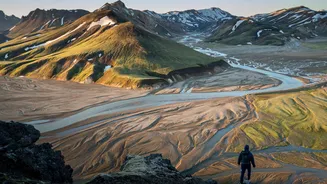
The Westfjords, Iceland's seldom-visited northwestern peninsula, offers a raw and majestic experience for intrepid travelers. While accessible by car,
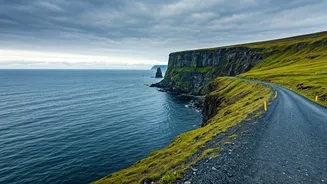
bus, or air, the journey itself is part of the adventure. Driving requires preparedness for unpaved roads and variable conditions, especially outside the summer months. Major routes include Route 1 connecting to Route 60. Public transport options extend from Reykjavík to Ísafjörður, the region's principal town, with limited flights also serving Ísafjörður and Gjögur. For those seeking to immerse themselves in this rugged terrain, renting a 4x4 vehicle is highly recommended, as it allows for exploration of the lesser-traveled paths and ensures greater flexibility in navigating the often-challenging gravel roads that characterize the area. Be aware that gas stations can be sparse, making it prudent to refuel whenever the opportunity arises.
Timing Your Expedition
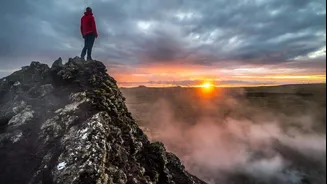
Choosing the right time to visit the Westfjords significantly impacts the travel experience. The most favorable period is generally from June to August, offering milder weather patterns and ensuring that most roads, including high mountain passes, are open and traversable. During these summer months, daylight hours are exceptionally long, with the sun not setting at all in midsummer, allowing for maximum exploration time. The shoulder seasons of May and September present a quieter alternative, often showcasing stunning autumn foliage and fewer crowds, though some services might be reduced. Winter, from November to March, is a starkly different proposition, characterized by minimal daylight, heavy snowfall, and icy conditions, making it suitable only for the most resilient adventurers, with activities like skiing in Ísafjörður being a draw for some, alongside a decent chance of witnessing the Northern Lights. Spring can also be unpredictable, with lingering snow in higher elevations.
Must-See Wonders
The Westfjords is replete with natural marvels and cultural points of interest. Dynjandi, a breathtaking tiered waterfall often hailed as the region's crown jewel, captivates with its majestic cascades. Látrabjarg Cliffs, the westernmost point of Europe, provides unparalleled opportunities for birdwatching, especially to observe puffins during their summer nesting season. Rauðasandur Beach stands out with its unique red-hued sands, offering spectacular coastal vistas. For the truly adventurous, Hornstrandir Nature Reserve is a remote wilderness haven for experienced hikers, teeming with pristine nature and Arctic foxes. Ísafjörður, the region's cultural nucleus, charms with its colorful houses, museums, and bustling harbor, serving as an ideal base for exploring the surrounding attractions. Patreksfjörður offers a quaint fishing town atmosphere and access to Rauðasandur, while Flatey Island, accessible by ferry, provides a historic escape with abundant birdlife within Breiðafjörður bay.
Lodging and Provisions
Accommodation options in the Westfjords, while scarce due to the region's remoteness and low population density, cater to various preferences. Travelers can choose from charming guesthouses, authentic farm stays, hotels, and campsites. For those seeking a more unique experience, several well-regarded hostels and unique pod accommodations are available. Booking accommodations well in advance, particularly during the peak summer season, is strongly advised due to limited availability. When it comes to dining and shopping, visitors should be prepared for limited services in more remote areas. It's wise to stock up on essential supplies, including food and any specific dietary needs, from larger towns like Ísafjörður before venturing into less populated fjords. While some areas offer excellent restaurants, especially in Ísafjörður, self-catering can be a practical and budget-friendly approach to dining.
Essential Travel Tips
To ensure a smooth and enjoyable visit to the Westfjords, several key preparations are recommended. Given the unpredictable and often harsh weather, packing layers of warm, waterproof clothing and sturdy, comfortable boots is essential, regardless of the season. A reliable road map and ferry timetables are crucial as cell phone reception can be unreliable on the remote backroads. Renting a 4x4 vehicle is highly beneficial for navigating the varied road conditions. It is also prudent to carry a spare tire and an extra can of fuel. Respecting the natural environment by staying on marked trails and refraining from disturbing wildlife is paramount. Given the limited services available in some locations, stocking up on provisions, including snacks and water, is a wise strategy. Planning and booking accommodation and rental vehicles ahead of time will significantly enhance the travel experience in this unique region.