





Rethinking Hot Flashes
Hot flashes are a familiar experience for many women navigating perimenopause, menopause, and postmenopause. Characterized by sudden waves of intense warmth
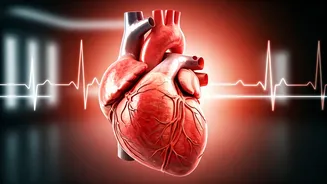
and sweating, these sensations are often accepted as an inevitable part of this life stage. However, a prevailing misconception is that they solely stem from hormonal shifts. Endocrinologists are now highlighting that this view is incomplete and potentially overlooks critical health signals. While estrogen fluctuations are a known trigger, they are not the sole explanation. The underlying causes can be more complex, extending beyond reproductive health into the realm of cardiovascular well-being. This perspective challenges the normalization of enduring hot flashes, urging a more serious consideration of their potential implications for overall health.
The Vasomotor Connection
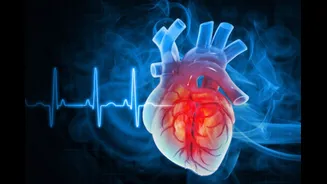
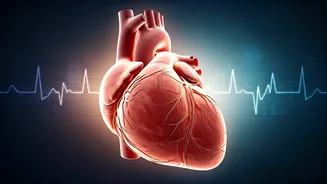
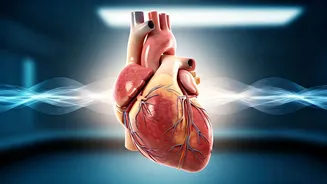
Delving deeper into the physiological response during a hot flash reveals the involvement of the body's thermoregulation and cardiovascular systems. This phenomenon is known as a vasomotor response. During an episode, blood vessels widen (dilate), leading to an increased heart rate and activation of the nervous system. This intricate process engages not only the circulatory system but also the nervous pathways that control temperature regulation. Research suggests a correlation between frequent hot flashes and early indicators of endothelial dysfunction, a condition where the inner lining of blood vessels is impaired, potentially leading to arterial narrowing. This dysfunction can initiate a cascade of interconnected health issues, including weight gain, insulin resistance, sleep disturbances, and ultimately, an elevated risk of cardiovascular problems.
Two Paths to Wellness
The recognition that hot flashes may signal cardiovascular distress necessitates a proactive approach to health management. Instead of simply enduring these symptoms, women are encouraged to consult with healthcare professionals to explore available options. A two-pronged strategy for addressing hot flashes and their potential underlying causes is recommended. The first approach involves a comprehensive medical assessment to identify and manage cardiovascular risk factors such as elevated blood sugar or cholesterol levels. The second approach may consider hormone replacement therapy, but this decision should be made collaboratively with a doctor, considering individual health profiles and potential risks. An open and honest dialogue with one's physician is paramount to ensuring the most appropriate and effective treatment plan is established.