

The Unconventional Accessory
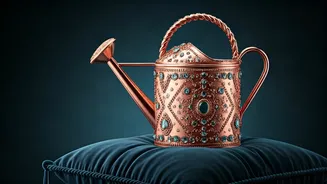
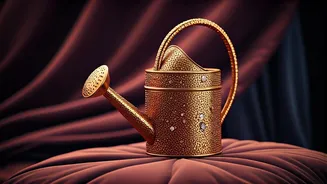
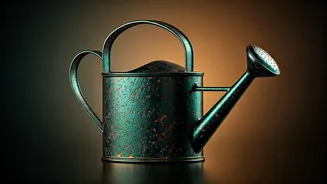
A prominent luxury fashion label has unveiled a truly unexpected addition to its collection: a handbag meticulously designed to resemble a watering can.
This audacious piece, which carries a price tag of Rs 4.3 lakh, has quickly captured widespread attention across the internet. At first glance, the accessory might evoke images of a garden shed, yet its intricate detailing and the distinctive LV monogram canvas unequivocally mark it as a high-end designer item. The bag thoughtfully incorporates elements of a traditional watering can, including its iconic spout, a robust top handle, and an adaptable leather strap allowing for shoulder or cross-body wear. This particular creation is featured within the Men’s Spring/Summer line, conceptualized under the creative vision of Pharrell Williams, with the overarching theme revolving around the idea of "nurturing growth."
Function Meets Novelty
The official description from the brand highlights the bag as a statement piece that cleverly merges playful design with practical daily use. It's noted that the main compartment is sufficiently sized to hold essential items such as a wallet, mobile phone, and keys. Consumers are offered versatile carrying options: the top handle provides a sophisticated aesthetic, while the adjustable shoulder strap allows for a more relaxed cross-body style. This philosophy of blending playful aesthetics with usability is a recurring motif in the latest collection, which also includes other distinctive items like a mesh hat priced at €710, socks for €225, and a teddy bear bag charm costing €1,100. The reception to these novel items has led to discussions about the specific demographic that gravitates towards such unique luxury goods.
The Psychology of Luxury
According to Rinkoo Tulsian, a fashion authority with over fifteen years of experience, the allure of these unconventional luxury items often stems less from traditional craftsmanship and more from the sheer attention they generate. Tulsian suggests that the watering can bag's appeal lies in its ability to be an 'attention-seeking idea,' rather than an emblem of profound creative innovation. In today's market, many consumers seek distinctiveness and items that immediately capture notice. Brands are adept at leveraging this consumer psychology, particularly appealing to those who desire exclusivity and make purchases that serve as potent statements. The expert posits that some buyers are drawn to unique items simply for their novelty, acquiring them as additions to their collection if financial means allow, irrespective of deep creative merit or inherent aesthetic value. This strategy ensures luxury houses remain relevant and prominent in the public consciousness.
Timelessness vs. Trends
Tulsian further elaborates that bold accessories like the watering can bag are integral to a strategic approach by luxury fashion houses aiming to maintain visibility and relevance. She notes that extensive teams are dedicated to conceptualizing these ideas, especially under creative directors like Pharrell Williams, who are encouraged to think unconventionally. However, from her perspective, genuine fashion should possess qualities of sustainability and timelessness. Items that lack this enduring appeal are, in her view, not truly representative of fashion. This perspective prompts a consideration of what such trends signify for younger consumer groups, like Gen Z and millennials. Tulsian contends that these generations are not a homogenous entity in their fashion choices. She identifies two distinct groups: one focused on sustainable and value-driven fashion, and another driven by impulse purchases. This dichotomy suggests that products like the watering can bag might serve as fleeting attention-grabbers rather than enduring fashion statements, potentially limiting their long-term impact.