






Sector Performance Overview
The Indian travel and hospitality industry experienced a turbulent close to the fiscal year 2026. An encouraging start in January and February was significantly
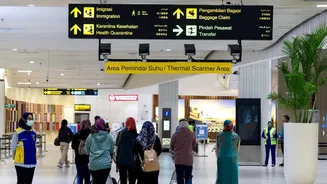
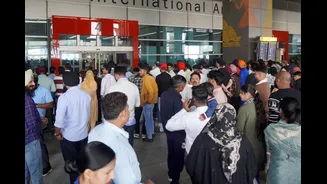
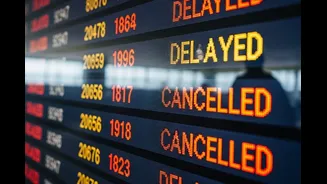
disrupted in March by geopolitical unrest in West Asia. This led to a surge in airfares, numerous flight cancellations, and restricted air routes, causing a noticeable decline in international arrivals. Consequently, hotel occupancy rates remained stagnant or saw a slight decrease, with revenue per available room (RevPAR) growing modestly, primarily due to an increase in average room rates (ARR). The disruption was particularly impactful as the Gulf region accounts for approximately 30% of India's international travel. The cancellation of over 23,000 flights and the suspension of some international services directly affected foreign tourist numbers, a crucial segment for premium hotel demand. Hotels heavily reliant on international visitors experienced a more pronounced drop in occupancy. In contrast, properties with a stronger domestic customer base proved more resilient, supported by consistent local demand and a general shift towards domestic travel.
Underlying Strength and Recovery
Despite these immediate challenges, the fundamental strengths of the travel and hospitality sector remain robust. Diplomatic efforts and the announcement of a ceasefire are anticipated to restore air connectivity to major hubs like Dubai, Abu Dhabi, and Doha, which should facilitate a gradual resurgence in inbound tourism. Given that foreign tourists represent a significant portion of hospitality revenue and typically contribute higher yields, the normalization of this segment is expected to bolster both occupancy levels and pricing power. Looking ahead, the short-term outlook appears positive, bolstered by a low base from the previous year and an improving travel sentiment. Initial indications point towards a sequential recovery beginning in April, with demand likely to strengthen further into the first quarter of fiscal year 2027. The sector's structural advantages, including favorable demand-supply conditions, a substantial pipeline of new room additions, and the continuous growth in domestic travel, are key factors supporting this positive trajectory. Increased activity in MICE events, weddings, and corporate travel is projected to sustain demand over the medium term. Furthermore, ongoing brand expansions, property renovations, and the introduction of new formats are contributing to revenue growth and enhanced operational efficiency.
Investment Opportunities
The Indian hospitality sector currently presents an attractive medium-term investment opportunity, with valuations trading below their historical peaks. This is underpinned by strong earnings visibility and resilient demand drivers, even as the sector navigates short-term fluctuations. One key player, Indian Hotels, demonstrates resilient operating performance driven by its diverse portfolio of owned, managed, and reimagined brands. Its robust performance in core hospitality and new ventures, combined with economies of scale and a predominantly asset-light development strategy, supports margin expansion and earnings predictability amid market volatility. In the third quarter of fiscal year 2026, consolidated revenue saw a 12% year-on-year increase, largely propelled by a 9.5% rise in the standalone segment and a 16% jump in subsidiaries. The standalone segment's strength was bolstered by 13% growth in food and beverage services, reflecting strong demand from MICE and wedding events, while room revenue grew by 6% with flat occupancy and a 7% increase in ARR. Projections indicate sustained double-digit revenue growth, supported by rising MICE activity, brand expansion, strategic partnerships, and a significant pipeline of 30,200 rooms, 94% of which are asset-light. The projected compound annual growth rate for revenue, EBITDA, and adjusted profit after tax between fiscal years 2025 and 2028 is estimated at 14%, 18%, and 16%, respectively, with operational leverage expected to drive steady margin improvements.
Growth Strategies
Lemon Tree Hotels is executing a structural growth strategy focused on expanding its premium Aurika portfolio, accelerating the acquisition of management contracts, completing property renovations, and rebranding existing assets. This expansion, which primarily follows an asset-light model, coupled with an improving business mix and higher asset utilization, is designed to enhance ARR, occupancy rates, and overall return on investment in the medium term. In the third quarter of fiscal year 2026, revenue increased by 14% year-on-year, driven by robust 34% growth in food and beverage sales and 7% growth in room bookings. The ARR saw an 11% increase, reaching ₹7,487, while occupancy slightly decreased by 80 basis points to 73.4%. The EBITDA margin, though industry-leading at 50.4%, experienced a 150 basis point reduction due to investments in renovations, technology upgrades, and the impact of Goods and Services Tax. Looking ahead, the company anticipates sustained momentum, particularly with the stabilization of Aurika Mumbai, a substantial pipeline of 9,364 managed rooms, and anticipated benefits from ongoing renovations by mid-fiscal year 2027. Financial projections estimate a compound annual growth rate of 12% for revenue, 13% for EBITDA, and 27% for adjusted profit after tax between fiscal years 2025 and 2028.