
Idli: South Indian Staple
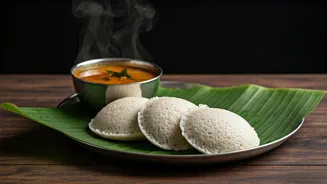
Idli, a popular South Indian breakfast, is made by steaming fermented batter. The batter primarily comprises of rice and urad dal (black lentils). The fermentation
process is critical; it gives idli its characteristic soft texture and slight tang. Preparing the idli involves soaking the rice and urad dal separately, grinding them into a smooth batter, and then allowing it to ferment for several hours, typically overnight, or even a full day, depending on the weather conditions. The fermented batter is then steamed in special molds to create fluffy, round idlis. Served with sambar (a lentil-based vegetable stew) and coconut chutney, idli is a wholesome and light breakfast option that's easy to digest.
Dhokla: Gujarati Delight
Dhokla, a Gujarati steamed snack, presents a delectable, spongy texture and a slightly tangy taste. It's typically prepared from a batter of fermented rice and chickpeas (besan). The batter is seasoned with spices like mustard seeds, green chilies, and ginger, which contributes to its unique flavor profile. The fermentation is key; it contributes to the light and airy texture of dhokla. The batter is steamed, often until it puffs up. Once steamed, it's typically tempered with a simple tadka (tempering) of mustard seeds, curry leaves, and sometimes green chilies, adding an extra layer of flavor and aroma. Dhokla is enjoyed with chutneys, particularly green chutney or tamarind chutney.
Puttu: Kerala's Favorite
Puttu is a traditional breakfast from Kerala, celebrated for its unique cylindrical shape and delightful taste. The main ingredients are steamed rice flour and grated coconut, which are layered in a puttu kutti (steamer). The rice flour, usually a coarse variety, is mixed with a little salt and water, and the coconut is generously added between layers. Steaming the mixture until it becomes soft and fluffy is what creates puttu's distinct texture. It is often served with kadala curry (black chickpea curry) or a sweet side like sugar or ripe bananas. The combination provides a satisfying and balanced breakfast, combining the savory and sweet elements that Keralites love.
Modak: Maharashtrian Treat
Modak is a sweet dumpling, primarily prepared in Maharashtra. It holds a special significance, particularly during the festival of Ganesh Chaturthi, as it is a favorite offering to Lord Ganesha. The outer layer of the modak is made of rice flour, which is steamed to form a soft shell. The filling typically consists of grated coconut and jaggery, flavored with cardamom, and sometimes dry fruits. These ingredients are cooked until they form a sweet, cohesive mixture. The rice flour dough is carefully filled with this sweet mixture, which is then shaped and steamed, creating the delicious modak. These small treats are a delightful combination of textures and flavors.
Idiyappam: String Hoppers
Idiyappam, also known as string hoppers, is a breakfast dish common in South India and Sri Lanka. These delicate, noodle-like strands are created from rice flour. The rice flour is mixed with hot water and salt, then pressed into thin strands using a special press, falling onto a steamer. The idiyappam is then steamed until it becomes soft and fluffy. Served with a variety of accompaniments, such as vegetable stews, egg curries, or coconut milk, idiyappam offers a light and versatile breakfast. The mild flavor of the string hoppers makes them suitable for pairing with spicy or flavorful curries, providing a perfect breakfast experience.
Khaman: Savory Steamed Cake
Khaman, another Gujarati breakfast staple, is a savory steamed cake with a vibrant yellow hue. The cake is typically made with a batter of gram flour (besan), seasoned with ginger-chili paste, turmeric, and other spices. The fermentation process is critical to the taste and texture of khaman. It's steamed until it becomes fluffy and light. After steaming, a tempering of mustard seeds, asafoetida, and curry leaves is often poured over the khaman, enhancing its flavor and aroma. The dish is typically served with chutney, such as coriander chutney or mint chutney, to provide a delicious contrast.
Uttapam: Savory Pancake
Uttapam is a South Indian savory pancake, created from a fermented batter, similar to the one used for idli and dosa. This batter is typically made with a mix of rice and urad dal. The batter is poured onto a hot griddle. As the uttapam cooks, it’s often topped with chopped vegetables, such as tomatoes, onions, chilies, and coriander leaves. The vegetables add color and flavor to the dish. Uttapam is cooked until it becomes golden brown on both sides. Served with sambar and chutney, uttapam offers a satisfying and flavorful breakfast option.
Momo: Himalayan Delight
Momo is a steamed dumpling, which has its roots in the Himalayan regions. The momo is usually made from a simple dough of all-purpose flour. The filling is usually a mixture of minced meat (traditionally yak or buffalo, but chicken or vegetables are common), along with onions, spices, and sometimes ginger and garlic. The filling is encased within the dough and then steamed, which is how the dumpling is prepared. Momos are often served with a spicy dipping sauce that complements their savory flavor. It's a popular breakfast choice, offering a filling and flavorful start to the day.
Pitha: Assamese Rice Cakes
Pitha refers to a broad variety of rice cakes, a very common breakfast in Assam. These cakes are made with rice flour and are prepared in various ways, including steaming. The ingredients and preparation methods differ across the region, but the core of the recipe involves rice flour. These pithas can be sweet or savory. Some are filled with ingredients like coconut, jaggery, or sesame seeds. The process typically involves shaping the rice flour into various forms and then steaming the mixture until they are soft. The taste is a blend of rice and the chosen fillings, making it a diverse and traditional breakfast option.
Surmai: Coastal Breakfast
Surmai, a fish variety, can be steamed as part of a nutritious breakfast in coastal regions. Marinating the fish in a mixture of spices, such as turmeric, chili powder, and ginger-garlic paste is often the first step. The fish is then steamed, which keeps the moistness and flavor. This cooking method is a healthy choice, as it doesn't require any added oil. This offers a light, protein-rich breakfast option that pairs well with other breakfast items, providing a complete and delicious meal. The combination presents a delicious way to enjoy fish as part of your morning routine.