



The Viral Samosa Revelation
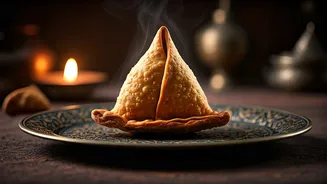
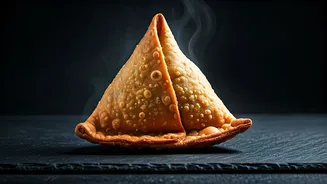
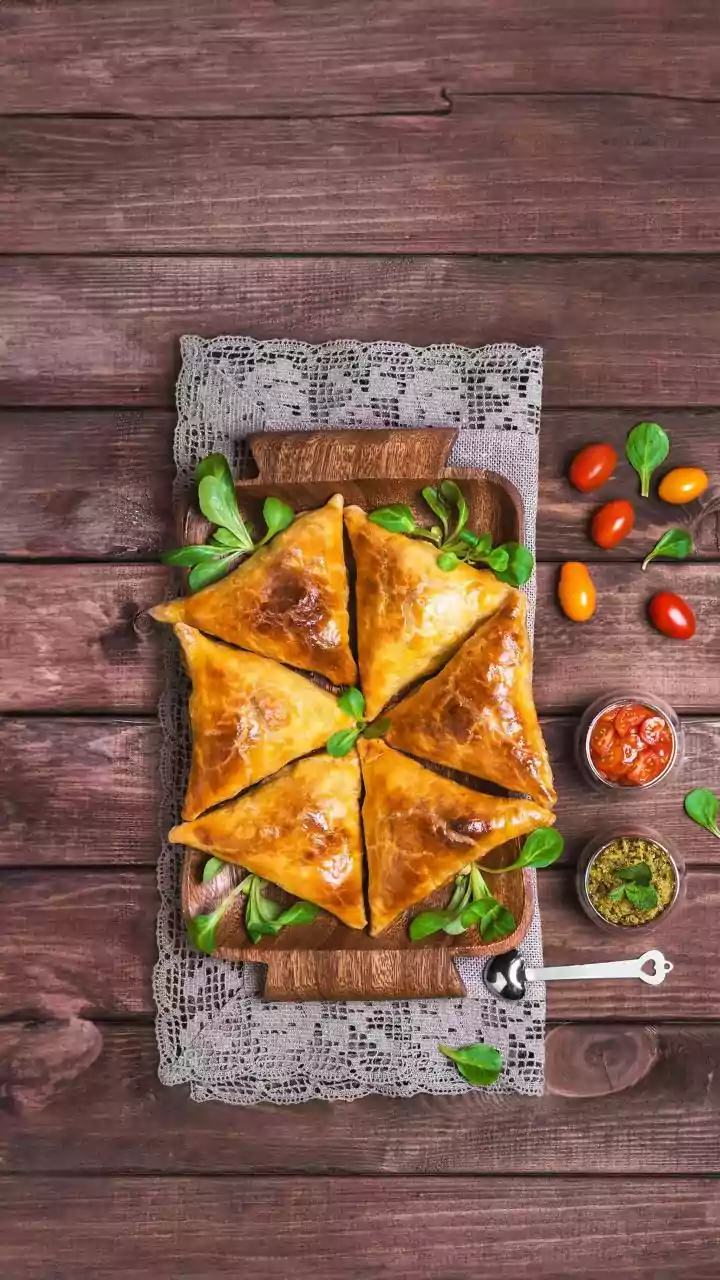
The humble samosa, a ubiquitous snack in India, is at the center of a surprising online conversation. A viral social media post has brought to light an
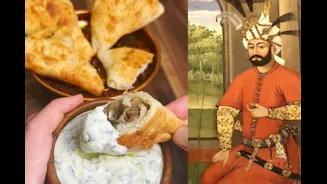
ancient recipe, dating back approximately 500 years, which offers a glimpse into the snack's past. This historical recipe, purportedly sourced from a Persian manuscript that journeyed through the hands of historical figures like Emperor Akbar and Tipu Sultan before reaching the British East India Company and eventually the British Museum, has ignited curiosity about the samosa's true origins and its ingredient evolution. The discussion isn't about current culinary trends or taste preferences, but rather a fundamental question: what was the original samosa, and what crucial ingredients, now considered indispensable, were absent from its early iterations?
Inside the 'Book of Delights'
This rediscovered recipe is believed to be a part of the Ni’matnama, also known as the 'Book of Delights.' Commissioned between 1501 and 1510 for the Sultan of Mandu in central India, this manuscript paints a picture of the samosa not as a common street food, but as an elaborate dish prepared in royal kitchens. The ingredients listed are a testament to its opulent status. Instead of the familiar potato filling, this ancient version featured a rich concoction of roasted aubergine pulp, dried ginger, and finely minced lamb seasoned with onion and garlic. The entire creation was then meticulously fried in ghee, signifying a level of culinary refinement far removed from today's everyday samosa.
Absence of Aloo and Mirchi
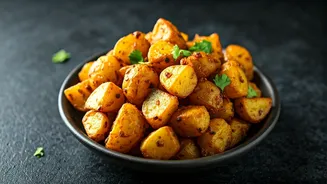
Perhaps the most striking revelation from this historical recipe is the complete absence of potatoes and chillies, staples in modern Indian cuisine and samosa fillings. These ingredients were not yet prevalent in Indian cooking during the period the Ni’matnama was compiled. The implication is that the samosa of that era possessed a flavor profile vastly different from the spicy, potato-laden versions most people recognize today. This historical context underscores the dynamic nature of food traditions, showing how culinary practices adapt and transform over centuries, influenced by the availability of ingredients and cultural exchange.
Evolution from Royal to Street
The journey of the samosa from the exclusive domain of royal dining halls to a widely accessible street food is a narrative of culinary evolution. As the dish diffused into broader society, its preparation and ingredients underwent significant simplification. Recipes were adapted to be more economical and easier to execute, leading to the emergence of the more common, accessible samosa we are familiar with today. This transition reflects how dishes are democratized over time, shedding their elaborate origins to become part of everyday life, shaped by the needs and tastes of the general populace.
Internet's Culinary Debate
The viral post has ignited a vibrant online discussion, highlighting the deep connection between food, history, and culture. Many netizens are reflecting on how food items act as historical artifacts, carrying stories of the past. Comments like 'This shows how food is also a part of history and culture' and 'It’s an immigrant' capture this sentiment. However, the historical narrative has also spurred counter-arguments, with some users asserting the samosa's inherently Indian origin, suggesting its introduction to India by Arabs following a 7th-century invasion. This ongoing debate underscores the complexity of tracing culinary heritage and the passion it evokes.