
The Appeal of Snow
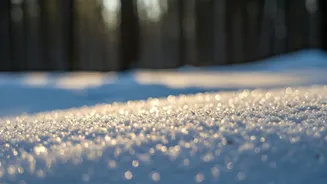
Snow, to many, evokes images of winter wonder and playful childhood memories. The pristine appearance of fresh snowfall, often accompanied by the quiet
calm of falling flakes, naturally leads to the tempting thought of eating it. This sensory experience is not just limited to kids; many adults also find themselves drawn to the simple pleasure of tasting snow. However, the apparent purity of snow is often deceptive, and while the urge to taste it might be strong, a deeper understanding of its composition is necessary to assess whether it is actually safe to eat. This introductory assessment lays the foundation for understanding the potential dangers hidden within each snowflake, urging a more informed perspective on this seemingly harmless treat.
Sources of Contamination
The environment acts as the primary source of contamination for snow. As snowflakes form in the atmosphere and drift toward the ground, they gather particles from the air. Air pollution is a significant concern, carrying pollutants from vehicles, industrial emissions, and various other sources. These particles can include soot, heavy metals, and chemicals that are harmful to health. Furthermore, snow can collect pathogens, like bacteria and viruses, especially if the air has contaminants. The longer snow is exposed to the environment, the more likely it becomes contaminated by elements from the ground and air. This means that a pristine, freshly fallen snow is less likely to harbor high concentrations of these harmful substances compared to snow that has been lying around for days. The origin and age of the snow are significant indicators when considering the risks of consumption.
Environmental Factors
Several environmental factors affect the safety of eating snow. Proximity to urban or industrial areas greatly impacts the level of contamination in snow. Regions with heavy traffic, manufacturing plants, or other sources of pollution have increased levels of airborne toxins. Weather conditions also play a role; for example, snow can absorb more pollutants during storms. Moreover, the type of surface on which the snow falls affects its purity. Snow falling on a clean, natural surface like a grassy field will generally be cleaner than snow that falls onto concrete, which can contain chemical residues from de-icing agents or road grime. Therefore, before considering whether or not to eat snow, it is crucial to think about its environmental context, as the surrounding atmosphere and ground conditions can significantly influence the health risks involved in its consumption.
Potential Health Risks
The consumption of contaminated snow poses several potential health risks. Ingesting pollutants like heavy metals and chemicals can lead to a range of health issues, varying from short-term effects, like stomach upset, to long-term health complications. Pathogens found in snow can cause infections, especially in individuals with weakened immune systems or children. These include various bacteria, viruses, and parasites that can cause gastrointestinal distress and other illnesses. In areas with high pollution levels, snow can accumulate high concentrations of these harmful substances, increasing the likelihood of health problems. Furthermore, the risk of consuming contaminated snow rises with each bite, which makes it crucial to consider these health factors before sampling it. It is always wise to prioritize health and safety over the fleeting sensory satisfaction of tasting snow.
Making Informed Choices
Making informed decisions about eating snow involves a careful assessment of its environment and potential risks. Observe the surroundings: avoid eating snow near roads, industrial sites, or areas that seem heavily polluted. The appearance of the snow can also provide clues; avoid discolored or unusually textured snow, which can indicate contamination. Another factor is to consider the duration of snow cover; fresh snow is often considered safer than snow that has been on the ground for a while. However, even freshly fallen snow can contain pollutants, so caution is always advised. Prioritizing safety over taste means making the informed decision to avoid eating snow if any doubt exists. By considering these aspects, one can make choices that balance enjoyment with health.