



Rice and Aromatics Preparation
The foundation of exquisite Nei Choru begins with the careful preparation of the rice and the infusion of aromatic spices. Start by thoroughly rinsing
two cups of Basmati rice until the water runs clear, then allow it to soak for approximately 20 to 30 minutes. This crucial soaking step ensures the rice grains will cook evenly and achieve a fluffy texture. Concurrently, in a sturdy, heavy-bottomed pot or a rice cooker, gently heat four tablespoons of ghee over a medium flame. Once warm, introduce whole spices—a bay leaf, two to three green cardamom pods, a similar number of cloves, and a one-inch piece of cinnamon stick. Sauté these for about a minute until their fragrance is released, creating a fragrant base for the rice. This initial step is fundamental in building the complex flavor profile that defines authentic Malabar Ghee Rice, setting the stage for the subsequent layers of taste.
Sautéing Onions and Spices
Elevating the aroma and depth of flavor in Nei Choru hinges on the skillful sautéing of onions and the integration of foundational spices. Following the fragrant tempering of whole spices, introduce one large onion, thinly sliced, into the pot with the heated ghee. Continue to sauté these onions, stirring occasionally, until they achieve a beautiful golden-brown hue. This caramelization process is not merely for visual appeal; it imparts a crucial sweetness and depth to the dish that is characteristic of this Malabar delicacy. Once the onions are perfectly browned, add one tablespoon of ginger-garlic paste. Cook this mixture for another minute, ensuring the raw scent of the ginger and garlic dissipates, blending harmoniously with the other aromas. Next, incorporate half a teaspoon of turmeric powder and, if desired for a subtle warmth, a quarter teaspoon of red chili powder. Stir these ground spices into the mixture and cook for a few more seconds to unlock their vibrant color and flavor before proceeding to the next stage.
Cooking the Fragrant Rice
The culmination of flavor in Nei Choru is achieved through the precise cooking of the rice with its infused aromatics and liquids. After the spices and aromatics have been well-integrated, it's time to add the rice. Gently drain the soaked Basmati rice and carefully add it to the pot. Stir the rice very gently, ensuring each grain is lightly coated with the fragrant ghee and spice mixture. This brief sautéing of the rice helps to firm up the grains, preventing them from becoming mushy during the cooking process. Subsequently, pour in four cups of fresh water and add salt according to your taste preference. Bring this entire mixture to a rolling boil over medium-high heat. Once the water reaches its boiling point, reduce the heat immediately to the lowest setting. Cover the pot tightly with a lid to trap the steam and allow the rice to simmer undisturbed for approximately 15 to 20 minutes. The goal is for the rice to become tender and for all the water to be absorbed, resulting in perfectly fluffy grains.
Resting and Garnishing Nei Choru
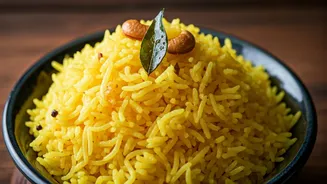
The final touches bring the comforting Nei Choru to its full potential, enhancing its texture and visual appeal. Once the rice has finished cooking and all the water has been absorbed, resist the urge to stir it immediately. Instead, allow the rice to rest, covered, within the pot for an additional 5 to 10 minutes. This resting period is vital as it allows the steam trapped within the pot to evenly distribute, ensuring that each grain of rice becomes perfectly tender and distinct, preventing any clumping. After this brief rest, gently fluff the cooked rice using a fork. Be delicate to maintain the integrity of the fluffy grains. The dish is then ready for its finishing touches. Garnish generously with freshly chopped coriander leaves, which add a burst of freshness and vibrant color. For an optional, yet highly recommended, layer of richness, consider tempering cashews and raisins in a small amount of ghee until the cashews turn golden brown and the raisins puff up. Sprinkle these delightful additions over the prepared Nei Choru before serving hot.