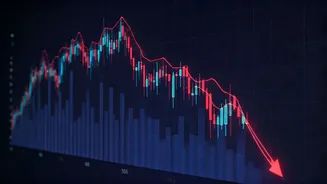

Market's Dramatic Drop
The Indian stock market experienced a considerable decline recently. The Sensex, an index of leading stocks, saw its most significant single-day drop in over
four months. Investors collectively lost a massive sum, approximately ₹8 lakh crore, highlighting the severity of the market's reaction. This event underscored the vulnerability of the market to various influencing factors. This dramatic shift prompted analysts and investors to examine the reasons behind the decline. This market adjustment involved a reassessment of expectations and strategies. The day's events raised questions about the immediate outlook and the broader implications for the Indian financial landscape. Investors were left to evaluate their portfolios and consider potential strategies for navigating the uncertain conditions that had emerged, with the market's trajectory remaining a topic of significant interest and scrutiny.
Factors Behind the Fall
Several crucial factors contributed to the recent market downturn. These included shifts in global economic trends and fluctuating investor sentiment. External pressures also had a significant impact. Developments in international markets often influence the Indian stock market, amplifying the effects of internal economic conditions. Investor confidence played a crucial role, with any decline directly impacting market performance. The combination of these internal and external factors set the stage for the market's negative trajectory. This interplay underlines the complex dynamics at play within the financial ecosystem. The sudden change emphasized the need for investors to remain vigilant and responsive to rapidly changing market conditions. This event spurred discussions about the factors' combined influence on India's financial system.
Investor Reactions
The market's decline triggered various reactions from investors. Many chose to re-evaluate their portfolios, adjusting strategies in response to the changing market landscape. Some investors opted to reduce their exposure to riskier assets, seeking more secure investment options. Others viewed the downturn as an opportunity, aiming to acquire stocks at lower prices in anticipation of a rebound. This array of responses highlights the diverse strategies investors employ during market fluctuations. The decisions made by investors reflected their individual risk tolerances and long-term financial goals. Their actions shaped the market's overall sentiment. This period saw investors making crucial decisions as they navigated the uncertain terrain, attempting to position themselves advantageously for the future direction of the market.
Expert Analysis
Various experts offered insights into the market's recent performance. They highlighted the importance of understanding underlying economic indicators, which provide crucial context for market movements. The experts discussed the influence of both domestic and global market factors on investor behavior. Several analysts suggested strategies for investors to manage their portfolios effectively amid volatile conditions. They emphasized the importance of informed decision-making and the need to stay updated on market developments. Their recommendations ranged from diversification to long-term investment strategies. The analysis from these financial experts was essential for helping investors gain a clearer understanding of the market trends. This provided them with valuable advice for making informed choices about their investment portfolios.
Market Outlook
The market's future direction remains a subject of ongoing discussion. Economic indicators and market sentiments will be critical in shaping its course. Various projections and forecasts are being made. These range from predicting a quick rebound to anticipating a prolonged period of volatility. The experts continue to carefully monitor developments, offering regular updates and assessments. These analyses help investors prepare for various outcomes. These outlooks also emphasize the importance of staying informed and adaptable. The long-term trajectory depends on many variables, including global economic stability and investor confidence. The market's future will influence broader economic conditions.