
Dalia: The Basics
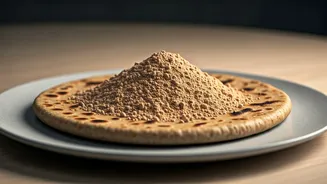
Dalia, also known as broken wheat porridge, is a breakfast staple across India. It's made from coarsely ground wheat grains, which are a good source of
fiber. The process of making Dalia involves lightly roasting the broken wheat and then cooking it with water or milk, often with vegetables and spices to enhance the flavor. Dalia is celebrated for its light texture and ability to keep you feeling full for a considerable time. This fullness is thanks to its fiber content, which slows down digestion. Because of this, it's often a favorite among those who wish to maintain a healthy weight. Its versatility also means it can be customized with various ingredients, appealing to different tastes and dietary needs. Dalia’s simplicity and nutritional value make it a smart breakfast choice, particularly when considering weight management.
Upma: The Overview
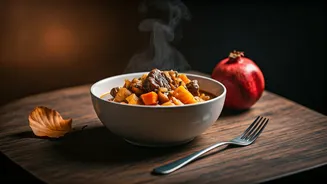
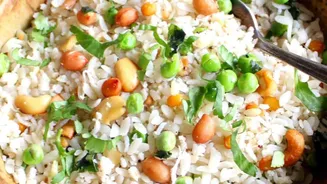
Upma, a savory semolina (suji) dish, is another beloved breakfast option across India. It's prepared by dry-roasting semolina and then cooking it with water, vegetables, and aromatic spices. Upma is known for its quick cooking time and is often spiced with mustard seeds, curry leaves, and other seasonings, offering a distinctive flavor profile. It's light, yet satisfying, making it a popular breakfast choice, and its texture ranges from soft to slightly granular. While Upma provides carbohydrates for energy, it may not offer as much fiber as Dalia. The ingredients and the method of preparation in Upma can vary greatly, with different regions and households adding their own touch, creating a diverse range of Upma dishes.
Dalia vs Upma: Ingredients
The main ingredients are what set Dalia and Upma apart. Dalia relies on broken wheat, a grain rich in fiber, which supports better digestive health and provides sustained energy. It often includes added vegetables, contributing vitamins, minerals, and more fiber. Upma, on the other hand, mainly uses semolina, which provides carbohydrates and is quicker to prepare. However, semolina is less fiber-rich compared to broken wheat. The vegetables in both dishes enrich their nutritional value and enhance the taste. The choice of ingredients can significantly affect the overall nutritional profile, especially when concerning fiber content, protein, and essential micronutrients. This difference in ingredients is a key factor when considering these two breakfast options for a health-conscious lifestyle.
Nutritional Showdown
When comparing Dalia and Upma nutritionally, fiber content is a critical factor. Dalia has a higher fiber content, meaning it can keep you feeling full for longer, helping reduce overall calorie intake and supporting weight loss. Fiber also improves digestion and regulates blood sugar levels, reducing the risk of overeating. Upma, although still providing necessary nutrients, has a lower fiber content. The fiber in Dalia supports a slower release of glucose into the bloodstream, which is important for maintaining stable energy levels and avoiding hunger pangs, especially useful if weight loss is the objective. Analyzing the nutritional value of each meal helps in making well-informed choices for a balanced and effective diet plan. Thus, Dalia may be a better option when focusing on weight management.
Weight Loss Perspective
Considering their impact on weight loss, Dalia may have a slight edge over Upma. The high fiber content of Dalia enhances satiety, helping you feel satisfied with fewer calories. Fiber also aids in better digestion and regulates blood sugar levels. Upma, while a lighter option, might not offer the same fullness and could lead to increased hunger sooner. Portion control is also important for both meals. But, the greater satiety provided by Dalia can naturally lead to reduced overall calorie intake. To boost your weight-loss efforts, it is advisable to incorporate plenty of vegetables in both recipes. For those focused on shedding pounds, Dalia, owing to its fiber, is usually the more efficient choice.
Making a Choice
When picking between Dalia and Upma, the best choice depends on personal nutritional needs and preferences. Dalia is best if your goal is weight loss and enhanced digestion because of its high fiber. Dalia also provides a more sustained source of energy, contributing to better weight management over time. If you prefer a quicker breakfast or the taste of Upma, you can still include it in your diet, but make sure to balance it with other fiber-rich foods to boost fullness. It's all about making smart choices to meet your individual health goals. Consider adding plenty of vegetables to both recipes, which will increase their nutritional value and make them healthier choices.