




A Wake-Up Call
Anirudh, a successful 35-year-old IIT graduate working for an MNC, embodied the 'work hard, party harder' ethos of urban India. Despite an outward appearance
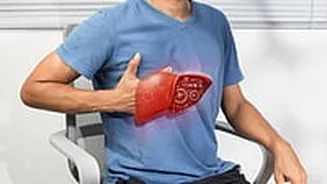
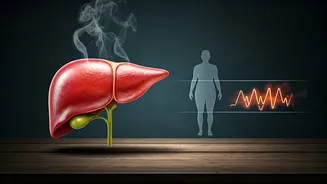
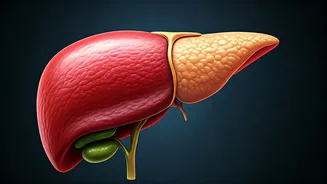
of peak fitness, his body was experiencing a serious internal decline. A routine corporate health screening brought a shocking revelation: grade 3 fatty liver, complete with nodules that raised concerns about early liver cancer. This diagnosis, occurring when he experienced mild discomfort in his upper right abdomen, revealed elevated liver enzymes, high blood sugar, and abnormal lipid levels. A fibroscan indicated significant fat accumulation (CAP value of 390) and liver scarring (E value of 20 kPa), suggesting cirrhosis. A subsequent ultrasound confirmed a small nodule, fueling fears of liver cancer. In a single day, Anirudh's life was irrevocably altered by a diagnosis of Metabolic Dysfunction Associated Steatotic Liver Disease (MASLD), a condition stemming from metabolic issues like obesity, diabetes, and hypertension.
The Silent Progression
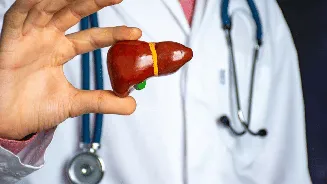
The liver, a vital organ for metabolism, often continues to function even when significantly damaged, leading to a lack of apparent symptoms. This silent progression is particularly prevalent in individuals with obesity and diabetes, where asymptomatic fibrosis and cirrhosis can affect up to 70% of cases, potentially leading to liver cancer before any warning signs appear. Anirudh's condition was triggered by intense work-related stress and a lifestyle shift characterized by frequent social engagements, alcohol consumption, and dining out, coupled with a complete absence of exercise. Within two years, he gained 20 kg, a tangible sign of his deteriorating metabolic health beneath a veneer of professional success. Like many young professionals, he had overlooked early warning signs, assuming his good health meant he was immune to serious illness. He had never undergone regular check-ups, a decision that allowed his condition to advance to severe liver disease without him feeling truly unwell, illustrating that fatty liver is no longer an ailment of middle age but increasingly affects individuals in their 20s and 30s due to factors like high-calorie diets, sedentary jobs, chronic stress, inadequate sleep, and rising alcohol consumption. Consequently, MASLD has now surpassed infections like Hepatitis B and C as the primary cause of liver disease.
Reversing the Damage
Anirudh's critical condition necessitated a comprehensive, multi-faceted treatment plan. Early-stage liver cancers can be addressed with ablative therapies, which utilize heat from radio waves or microwaves to eliminate cancerous cells, alongside cirrhosis management. For more advanced cases, treatments like targeted therapy, immunotherapy, or even liver transplantation might be considered, contingent on early detection, financial feasibility, and donor availability. Anirudh’s situation called for ablation. His treatment commenced with medication to rigorously control his diabetes, a crucial step as unmanaged blood sugar exacerbates liver damage. Simultaneously, a complete lifestyle transformation was mandated. Weight loss became a paramount objective, with even a 7–10% reduction known to significantly diminish liver fat and inflammation. His diet underwent a radical restructuring, emphasizing reduced intake of sugar, refined carbohydrates, and processed foods, while increasing consumption of fiber and protein. Physical activity, previously non-existent, became an integral part of his daily regimen. Regular exercise, complemented by yoga and meditation, not only aided in weight reduction but also enhanced insulin sensitivity and lowered stress levels—both crucial elements in halting disease advancement. Alcohol consumption, which had subtly become habitual, was completely discontinued. Given the often silent nature of fatty liver progression, continuous monitoring through periodic liver function tests, imaging, and FibroScan assessments is vital for tracking liver stiffness and detecting any deterioration promptly.
The Path to Recovery
For Anirudh, the turning point was not merely medical but profoundly psychological. He opted for a six-month sabbatical from his demanding job, dedicating this period entirely to his health. Through sustained lifestyle modifications, diligent adherence to medical advice, and regular follow-up appointments, his diabetes came under control, his overall fitness improved, and his liver disease stabilized. While fatty liver develops insidiously, it is a condition that can be altered with early detection and proactive management. Unlike many chronic ailments, fatty liver is largely preventable, and in its initial stages, it is entirely reversible. Consistent weight loss, regular physical activity, disciplined dietary habits, and effective metabolic control can not only arrest the progression of the disease but, in some instances, even reverse liver damage. Even early stages of fibrosis and cirrhosis can be stabilized through persistent intervention. However, the most significant hurdle remains awareness. A prevalent misconception among young Indians is the association of obesity and diabetes primarily with heart disease, with the critical link to liver failure and cancer being vastly underappreciated. This knowledge gap is perilous because fatty liver does not just appear suddenly; it advances silently, frequently revealing itself only when the damage is already severe. This emphasizes the need for greater public health campaigns and individual proactive health monitoring.