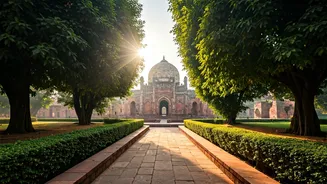







A Historic Foundation
Lodhi Garden stands as far more than a mere recreational space; it is a living museum safeguarding centuries of architectural heritage. Within its expansive
grounds, visitors can encounter magnificent structures dating back to the 15th century, remnants of the Sayyid and Lodhi dynasties. These include intricately designed tombs and elegant mosques, predating the establishment of much of modern-day Delhi. The garden's very design is a thoughtful integration of these historical monuments, allowing them to be appreciated amidst a tranquil, natural setting. This unique characteristic makes Lodhi Garden a pivotal location for understanding Delhi's rich past, offering a tangible connection to the eras that shaped the city. The juxtaposition of these ancient edifices with the lush greenery creates an atmosphere of profound historical significance, inviting contemplation and discovery for all who wander its paths. It is a place where the whispers of history are as palpable as the rustling leaves.
From Colonial Naming
The transformation of Lodhi Garden from its colonial origins to its current celebrated status is a fascinating chapter in its history. Initially conceived and developed during the British Raj, the park was given the name Lady Willingdon Park, a nod to the then-Governor-General's wife. However, as Delhi's identity evolved, so too did the park's designation. A deliberate renaming occurred, shifting the title to Lodhi Garden. This change was more than symbolic; it was a conscious effort to acknowledge and honor the profound historical legacy embedded within the garden's landscape. By adopting the name of the Lodhi dynasty, the park openly embraced its connection to the ancient monuments it houses, anchoring its identity firmly in the pre-Mughal history of the region. This renaming signifies a reclaiming and celebration of indigenous heritage, making the garden a powerful symbol of historical continuity.
Ninety Years of Refuge
For nearly nine decades, Lodhi Garden has served as an indispensable green lung for the sprawling metropolis of Delhi. Established in its current form, it has witnessed and adapted to the city's explosive urban development, consistently offering a vital sanctuary from the concrete jungle. This expansive park has evolved into a central refuge, a cherished escape where nature and tranquility prevail amidst the relentless pace of city life. Its green expanses provide a much-needed respite for residents, fostering well-being and offering a connection to the natural world. As Delhi has grown, Lodhi Garden's role as a peaceful retreat has only become more pronounced, solidifying its importance as a cherished public space that prioritizes environmental balance and human solace within an increasingly urbanized landscape.
Daily Life Intertwined
Lodhi Garden is a vibrant testament to how history and contemporary life can flourish in perfect harmony. This iconic park has transcended its role as a mere historical site to become an integral part of the daily routines of thousands of Delhi residents. Early mornings see it bustling with dedicated walkers and yoga practitioners, their movements harmonizing with the serene surroundings. Throughout the day, it becomes a favored spot for couples seeking quiet moments, individuals yearning for solitude, and families enjoying leisure time. The seamless integration of recreational activities and personal reflection within the shadow of ancient monuments highlights the garden's unique appeal. It’s a place where the echoes of the past provide a peaceful backdrop to the vibrant present, creating a dynamic yet tranquil environment that caters to a wide spectrum of human needs and desires.
A Cultural Icon
The allure of Lodhi Garden extends far beyond its physical boundaries, permeating popular culture and solidifying its status as an iconic Delhi landmark. Its picturesque lawns, framed by the evocative silhouettes of historic tombs and mosques, have frequently served as a captivating setting for Indian cinema. These cinematic appearances have introduced the garden's unique aesthetic to a wider audience, showcasing its timeless beauty and atmospheric charm. Furthermore, its presence in various facets of pop culture reinforces its identity not just as a simple public park, but as a significant cultural touchstone. Lodhi Garden embodies a unique blend of heritage and contemporary relevance, making it a recognizable and beloved symbol of the city's rich cultural tapestry, appreciated by locals and visitors alike.
Enduring Spirit
Over its nine-decade existence, Lodhi Garden has demonstrated an extraordinary capacity for resilience and continuity, a rare feat in the ever-changing urban environment. This enduring spirit is evident in its ability to adapt to evolving societal needs while steadfastly preserving its invaluable historical monuments and its rich biodiversity. The park remains a testament to careful stewardship, a place where the delicate balance between preservation and public access has been masterfully maintained. It stands as a remarkable example of how historical sites can thrive in the modern era, fostering a unique coexistence of history, nature, and community. Lodhi Garden continues to be a cherished space, offering a sense of stability and timelessness amidst the flux of city life, a truly irreplaceable asset for Delhi.