



What It Means
The mid-century modern interior design aesthetic, which rose to prominence between the 1940s and 1960s, represents a significant departure from previous
ornate and heavily decorated styles. It champions a philosophy where form and function are seamlessly integrated, prioritizing practicality and usability without sacrificing visual appeal. This design approach emphasizes clean, uncluttered lines, often incorporating organic shapes and a harmonious blend with natural elements. The objective is to create spaces that feel open, airy, and conducive to both relaxation and social interaction, demonstrating that functionality can be both stylish and elegant. This style is celebrated for its enduring appeal, offering a balance between minimalist principles and striking design statements.
Key Elements
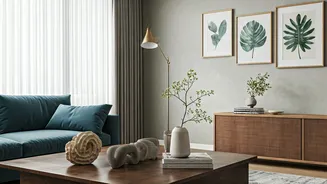
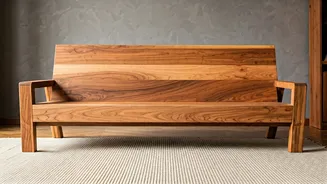
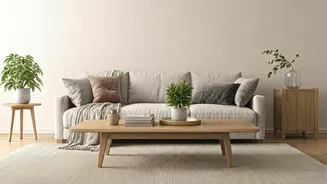
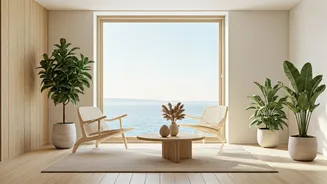
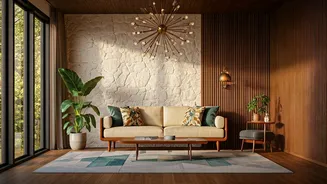
At its heart, mid-century modern design is characterized by its commitment to clean lines and simple silhouettes, deliberately avoiding excessive ornamentation. Furniture often features a low profile and is frequently supported by wooden legs, contributing to a sense of spaciousness and minimalism. Natural materials, particularly woods like walnut, teak, and oak, are foundational, infusing warmth and texture that pair beautifully with modern touches of metal and glass. This connection extends to the outdoors; large windows, sliding glass doors, and open floor plans are integral, aiming to bring the natural world into the living space through ample natural light and indoor plants. Functionality is paramount, with multi-purpose and modular furniture encouraged to maximize utility in any space, especially as homes evolve. Art plays a vital role, serving as a medium to express personality, with geometric patterns, abstract art, and vintage posters being popular choices that are enhanced by thoughtful lighting solutions like floor and pendant lamps.
Iconic Sofa
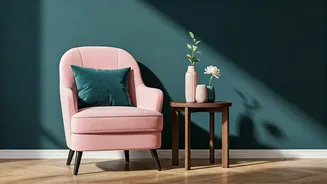
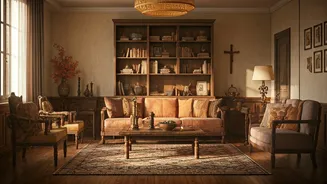
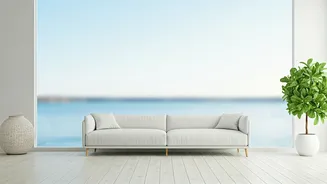
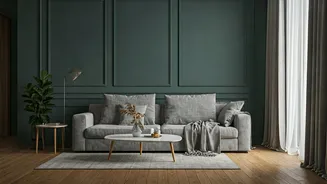
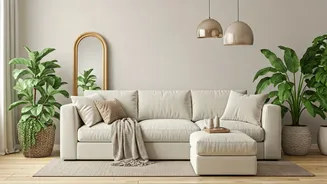
The mid-century modern sofa often serves as the anchoring piece in a room, setting the tone for the entire space. When selecting a sofa in this style, prioritize designs that exhibit clean lines, a lower profile, and distinctive wooden legs, all of which are hallmarks of this aesthetic. The choice of upholstery is also crucial; materials like velvet or wool can lend a touch of luxury, while contemporary colors such as deep teal, rich forest green, or vibrant mustard yellow can inject a modern flair. Complementing the sofa with sleek side tables and a well-chosen rug helps to create a balanced and welcoming atmosphere, ensuring the centerpiece integrates seamlessly with the understated elegance of the overall design.
Color Palette Guide
Establishing a cohesive color palette is a fundamental step in adopting the mid-century modern style, significantly influencing the ambiance of your home. Experts suggest a restrained approach, typically limiting the palette to three or four carefully selected shades to maintain simplicity and harmony. Adhering to the 60-30-10 rule provides a structured framework for color application: 60% of the room's visual space, usually the walls, is dedicated to the dominant color. A secondary color occupies approximately 30%, often seen in larger furniture pieces like sofas or curtains. The remaining 10% is reserved for accent colors, used in smaller decorative elements such as cushions, rugs, or artwork, allowing for personality and visual interest without overwhelming the space.