






Protein's Vital Role
Protein is a cornerstone of a healthy diet, playing a pivotal role in the repair and growth of body tissues. It's not just for bodybuilders; it's a fundamental
nutrient for everyone. Your body relies on protein for various functions, including the creation of enzymes and hormones that regulate bodily processes. Adequate protein intake supports muscle repair after exercise, boosts metabolism, and provides a feeling of fullness, which can aid in weight management. Proteins are composed of amino acids, some of which are essential, meaning your body can't produce them on its own and you must get them from your diet. Focusing on a diet rich in protein-containing foods is therefore necessary for maintaining your overall health and well-being. Proteins are very important and are required in order to make your body strong.
Sources of Protein
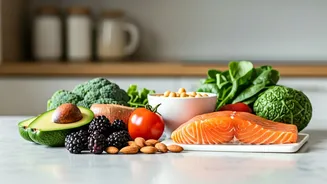
Incorporating diverse protein sources into your meals ensures you receive a comprehensive range of amino acids. Animal-based proteins, such as meat, poultry, fish, eggs, and dairy, provide complete proteins, meaning they contain all nine essential amino acids. However, vegetarian and vegan diets can also provide ample protein by combining plant-based foods. Examples include legumes (beans, lentils), soy products (tofu, tempeh), nuts, seeds, and grains like quinoa. It’s important to strategically plan your meals to include a variety of these sources to achieve a full amino acid profile. Consider mixing and matching different protein sources, like pairing rice with beans, to create a complete protein dish. Focusing on diverse sources gives you a variety of vitamins and minerals.
Protein and Muscles
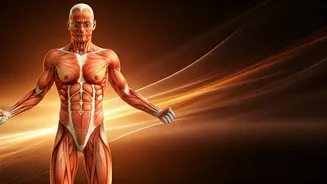
One of the most well-known benefits of protein is its role in muscle development and repair. During physical activity, muscle fibers undergo stress, leading to microscopic damage. Protein intake is crucial after exercise to help these fibers heal and rebuild stronger, resulting in muscle growth. The amount of protein you need depends on your activity level. Athletes and those engaging in regular, intense workouts often require more protein than sedentary individuals. This is because they need to supply their muscles with the necessary resources for recovery and growth. Protein, coupled with exercise, acts as the building block for the body, facilitating the process of muscle protein synthesis and helping you achieve your fitness goals. If you want to build muscles, protein is an integral aspect.
Protein for Weight
Protein can also assist in managing weight. It contributes to feelings of satiety, making you feel fuller for longer after meals. This can help reduce overall calorie intake by minimizing cravings and preventing overeating. Protein also has a higher thermic effect of food compared to carbohydrates or fats, meaning your body burns more calories processing it. The body uses more energy to break down proteins than other macronutrients. Incorporating protein-rich foods into your diet, like lean meats, fish, or plant-based options, can support weight loss or maintenance efforts. Protein helps keep your metabolism running strong. By strategically planning meals, one can leverage protein's positive impact on weight management and overall health. Protein is a helpful component in reaching fitness objectives.
Hydration and Protein
Drinking enough water is extremely important when increasing your protein intake. Protein is metabolized by the kidneys. Proper hydration helps your kidneys function properly, preventing any unnecessary strain. Insufficient water intake can lead to dehydration, which can hamper the efficiency of bodily functions, including protein digestion and absorption. Making sure you are properly hydrated can optimize your body’s ability to use the protein you eat effectively. You should aim to drink enough water throughout the day, and particularly after a high-protein meal or workout. This practice ensures your body can fully utilize the benefits of protein and keeps you feeling your best. Drinking water also helps flush out any waste products from protein metabolism. This is a very important part of protein intake, and is vital for your health.