







Essentials Ingredients
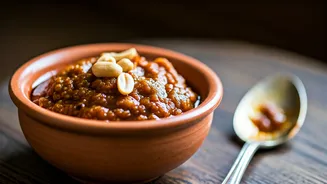
The foundation of a great peanut chutney begins with the right ingredients. This recipe focuses on fresh, high-quality components to ensure an authentic
taste. You will need roasted peanuts, which are the star of the show, providing the rich, nutty flavor. Next, you'll need green chilies for a touch of heat, balanced by the tang of tamarind. Garlic cloves add depth and a pungent aroma, while curry leaves provide a distinctive, aromatic element. For the tempering, you'll require mustard seeds, dried red chilies, and a pinch of asafoetida (hing), all crucial for the final flourish of flavor. The quality of these ingredients directly impacts the final taste, so fresh produce and good-quality peanuts are key to a successful chutney. Remember, the simpler the recipe, the more the quality of the ingredients matters.
Preparing the Chutney
Making peanut chutney is a simple, rewarding process. Begin by dry-roasting the peanuts if you haven't already; this intensifies their flavor and makes them easier to grind. In a blender or grinder, combine the roasted peanuts, green chilies, tamarind pulp, garlic cloves, and a small amount of water. The amount of water is crucial; add it gradually to achieve the desired consistency—smooth but not too thin. Grind until you achieve a slightly coarse paste. Don’t over-blend, as you want a bit of texture in the chutney. Once blended, taste and adjust the seasoning with salt. The flavor of the chutney should be well-balanced, with a nice balance of the heat from chilies, the tanginess of tamarind, and the inherent nuttiness of the peanuts.
Tempering the Chutney
Tempering adds an extra layer of flavor and aroma to peanut chutney. Heat a small amount of oil in a pan. Once the oil is hot, add mustard seeds. They will begin to splutter, indicating they are ready. Then add dried red chilies and allow them to sizzle for a few seconds, taking care not to burn them. Next, add the curry leaves and asafoetida. The aroma of asafoetida is quite strong, so use it sparingly. Fry for a few more seconds until the curry leaves become crisp. Immediately pour this tempering over the chutney. This process infuses the chutney with a unique, smoky flavor. The contrasting textures and flavors of the tempered spices make the chutney even more delightful.
Serving Suggestions
Peanut chutney is incredibly versatile. It is a fantastic accompaniment to South Indian staples such as dosa, idli, vada, and uttapam. However, its uses extend far beyond these classic pairings. Try serving it with upma, poha, or even as a spread for sandwiches. It can also be paired with rice and a simple dal for a satisfying meal. The chutney's rich, nutty flavor complements a variety of dishes. Store any leftover chutney in the refrigerator in an airtight container for up to 3–4 days. The flavor generally improves with time, allowing the flavors to meld together even further. With a little creativity, peanut chutney can add an Indian flair to many meals.
Tips and Variations
While the basic recipe is simple, there's plenty of room for experimentation. Adjust the amount of green chilies to control the level of spiciness. Some people enjoy adding a small piece of ginger for added zest. For a smoother texture, grind the chutney to a finer consistency. If you prefer a slightly sweeter chutney, add a pinch of sugar or a small piece of jaggery during grinding. You can also experiment with other nuts, such as cashews or almonds, in combination with peanuts. To vary the flavor profile, try adding a squeeze of lemon juice or a dash of coconut to the mix. These small adjustments can completely transform the chutney, making it a unique culinary experience.