



The Tiny Threat
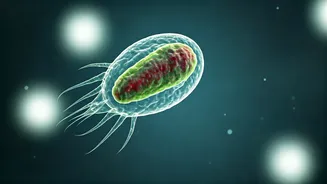
Cats, our beloved companions, can unknowingly harbor a microscopic organism known as Toxoplasma gondii. This parasite, primarily residing in feline intestines,
poses a potential health concern not just for our pets but also for us. While cats often exhibit no outward signs of infection, understanding their role as hosts is vital for responsible pet care. This is especially true for individuals with compromised immune systems or expectant mothers, for whom the parasite can present more significant health challenges. The key to mitigating these risks lies in recognizing how the parasite enters the cat's system and how it can subsequently transfer to humans, often through seemingly routine interactions.
Transmission Pathways
The journey of Toxoplasma gondii from cat to human is often linked to daily routines, primarily revolving around the litter box. Cats typically acquire the parasite by ingesting contaminated prey or undercooked meat. Consequently, outdoor cats or those with hunting tendencies face a higher likelihood of infection compared to indoor cats fed a controlled diet. For humans, the risk escalates through direct contact with infected cat feces, making litter box maintenance a critical juncture for prevention. Additionally, consuming undercooked meat can also serve as a transmission route. Vigilance during litter box cleaning, coupled with rigorous hand hygiene after handling pet waste or raw meat, becomes paramount in preventing the spread of this parasite.
Health Implications
For many healthy individuals, an encounter with Toxoplasma gondii might go unnoticed, with symptoms mimicking a mild flu. However, the parasite's impact can be more profound, potentially leading to neurological effects such as altered decision-making or behavioural shifts. The most serious concerns arise for pregnant women and those with weakened immune defenses. In pregnant individuals, toxoplasmosis, the condition caused by the parasite, can have devastating consequences, including severe birth defects or even miscarriage. For immunocompromised individuals, the infection can manifest in more aggressive and widespread forms, underscoring the importance of proactive prevention measures for everyone in the household.
Behavioral Links
Intriguing research is exploring a potential, though not yet definitive, link between latent Toxoplasma gondii infections in humans and subtle changes in behavior. Some studies suggest that infected individuals might exhibit an increased propensity for risk-taking or experience alterations in their decision-making processes. While these findings are still under investigation and require further scientific validation, they highlight the complex interplay between parasitic infections and human psychology. This ongoing research adds another layer of significance to understanding and managing the parasite, reinforcing the need for diligent hygiene and preventive practices in households with cats.
Preventive Measures
Fortunately, safeguarding against Toxoplasma gondii is achievable through a series of straightforward, responsible habits. Daily cleaning of the litter box, always employing gloves during the process, is a cornerstone of prevention. Thorough hand washing after any potential contact with soil, raw meat, or cat excrement is equally crucial. Ensuring all meat, particularly pork, lamb, and venison, is cooked to a safe internal temperature is vital. For feline companions, feeding them only commercially approved pet food or properly cooked meat minimizes their risk of ingesting the parasite. Furthermore, keeping cats indoors can significantly reduce their exposure to infected prey, thereby enhancing overall household safety.