




Unveiling a Hidden Side
The true depth of a person often emerges when away from familiar surroundings, a realization the author had during her first trip with her 75-year-old
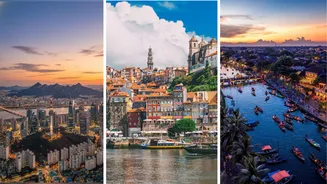
grandmother. This journey, a culinary adventure in the Vietnamese city of Hoi An, became a profound opportunity to witness a side of her grandmother previously unseen. Initially, the author, who shared a close relationship with her grandmother, decided on Hoi An due to their mutual passion for food, with her grandmother being an accomplished home cook who had passed down many cherished family recipes. This trip was intended to foster one-on-one time, a stark contrast to their usual family gatherings, and to explore the rich tapestry of Hoi An's unique culinary landscape, which has been shaped by centuries of trade with various cultures, including China, Japan, and Europe. Their exploration began on the back of Vespas, navigating through the vibrant, lantern-lit streets, sampling iconic local dishes. They savored the crispy, turmeric-infused rice crepes known as bánh xèo, generously filled with pork, squid, shrimp, and bean sprouts. Another highlight was cơm gà, a comforting dish of poached chicken served alongside fragrant ginger rice and a refreshing salad of papaya, onion, and mint. However, the standout delicacy was the 'white rose' dumpling, a delicate creation of translucent rice flour filled with shrimp, artfully folded to resemble a flower and topped with fried shallots for an added crunch. The White Rose Restaurant, a family-run establishment, is famously the sole proprietor of this special recipe, a secret closely guarded for three generations.
A Kitchen Revelation
Recognizing her grandmother's inherent drive, the author knew that simply tasting the local cuisine wouldn't suffice; her grandmother was eager to actively participate in the cooking. To maximize their experience with Hoi An's abundant fresh ingredients, including tropical fruits like mangoes and the seafood they had just witnessed being caught, they checked into a resort featuring a well-regarded cooking academy. This offered an ideal environment for them to learn and create new recipes collaboratively, shifting the dynamic from the grandmother always being the teacher. Their immersive workshop on Vietnamese imperial cuisine commenced the following day in the serene setting of Tra Que Vegetable Village. Surrounded by lush greenery and grazing water buffalos, they harvested fresh ingredients like sweet basil and mint before embarking on the intricate process of making delicate rice paper and robust vermicelli noodles from scratch. Returning to the resort's kitchen, the focus shifted to the culinary traditions of Hue, Vietnam's former imperial capital, situated about three hours from Hoi An. Hue cuisine is renowned for the elaborate banquets once prepared for the Nguyen Dynasty, and it distinguishes itself from more common dishes like pho or bun cha by its richer flavor profile and liberal use of spices such as turmeric and chili, delivering a potent taste experience. The author's grandmother, despite lacking fluency in English or Vietnamese, demonstrated an immediate connection to the culinary environment. As soon as she was behind the counter, the language barrier became irrelevant. She intuitively prepared pork and shrimp paste for skewers, expertly slapping the mixture against the bowl's sides—a technique designed to enhance the meat's springy texture before grilling it on lemongrass stalks. The author found herself mimicking her grandmother's actions in awe, with even the instructor pausing to admire her flawless knife skills. Her grandmother confidently posed questions about traditional cooking methods in her native Cantonese, requiring the author to act as a translator. The instructor and other guests were visibly impressed by her dynamic energy, with one guest jokingly remarking on her powerful presence.
Fearless Spirit Unlocked
Perhaps the most significant revelation of the trip was uncovering the enduring sharpness, agility, and fierce independence of the author's grandmother, particularly when navigating unfamiliar environments. Earlier, during a boat excursion, when the grandmother spontaneously volunteered to enter one of the iconic, dizzyingly spinning coconut basket boats, known as 'thúng chài,' their guide expressed his astonishment, stating he had never encountered an elderly guest so willing to embrace such an adventurous activity. The author expressed a hope that this fearlessness might be contagious. Throughout their travels, many people remarked on how beautiful and unusually rare it was to see a granddaughter and grandmother vacationing together, with some locals even confiding that they regretted not having the opportunity to share such experiences with their own grandparents before they passed. This realization instilled a profound sense of gratitude in the author for her grandmother's continued health and spirited nature, especially at a point in the author's life where she finally possessed the time and resources to share the world with her. In many Asian cultures, affection is often conveyed through subtle gestures and sacrifices rather than direct expressions. The author had always been aware of her grandmother's challenging upbringing, having raised six younger siblings on her own, and later ceasing her work to help care for the author upon her birth. However, because her generation rarely discussed hardships, the author is only now beginning to piece together these formative stories from her grandmother's youth, which might have remained untold had they not encountered the fishing tools that triggered these recollections. The concept of filial piety, which emphasizes honoring and caring for one's elders, is a deeply ingrained virtue in the author's culture. Yet, her travel experience with her grandmother felt less like a familial obligation and more like a cherished, fleeting privilege. It provided a unique opportunity to connect with the woman her grandmother was before she became the beloved matriarch, serving as a poignant reminder to explore the world with those who shaped us, while the chance remains.