




Shifting Breakfast Plates
In contemporary India, a fascinating conversation is unfolding across digital platforms regarding the traditional role of roti in daily sustenance. Influential
figures and everyday individuals alike are publicly reassessing this staple, leading to a noticeable shift in dietary habits. For instance, one individual, an MBBS doctor and BITS Pilani graduate, has completely omitted roti and rice from her diet for a decade, opting instead for lentil-based preparations like moong dal chillas accompanied by vegetables. This decision, rooted in personal health goals, including a family history of diabetes and a desire for sustained energy, reflects a broader sentiment. Her experience, shared widely online, highlights a growing consciousness about nutritional balance and a proactive approach to long-term well-being, demonstrating that for some, foregoing conventional staples is a deliberate choice for a healthier lifestyle, even if it deviates from deeply ingrained cultural norms. This personal choice, while unique, mirrors a larger trend on the Indian internet.
Beyond the Chapati
The reevaluation of roti's place on the Indian plate is gaining momentum, driven by a common understanding: rotis are perceived as carbohydrate-rich, while protein consumption often falls short of ideal levels, especially in light of modern, active lifestyles demanding superior nutritional equilibrium. This perspective is amplified by public figures, such as an actor who has notably abstained from roti, rice, bread, and sugar for over a year and a half, a declaration that went viral and fueled the popular notion that eliminating these staples is a direct path to enhanced fitness and metabolic health. At home, culinary adaptations are becoming commonplace, with wheat rotis being substituted by alternatives like besan (gram flour) chillas, moong dal pancakes, oats rotis, or grain-based options such as jowar (sorghum), bajra (pearl millet), and ragi (finger millet). While completely abandoning a food item that forms the cornerstone of most Indian meals presents challenges, the door has opened for innovative solutions that promise to enhance, rather than eliminate, this beloved food.
The Rise of 'Protein Roti'
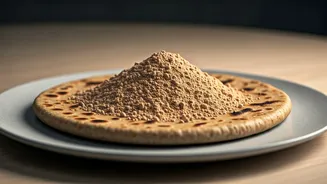
Rather than urging a complete overhaul of dietary habits, the food industry is now focused on re-engineering the most familiar element of the Indian meal: the roti. The market is increasingly featuring protein-fortified atta (wheat flour) and specialized 'protein-for-roti' mixes, readily available from grocery shelves to social media feeds. The core proposition is straightforward: a standard wheat roti typically provides a modest 3 to 4 grams of protein. Consuming multiple rotis still rarely satisfies the recommended daily protein intake, particularly for individuals with active lifestyles who require approximately 0.8 to 1.2 grams of protein per kilogram of body weight. By incorporating plant-based protein sources like soy, pea, peanut, Bengal gram, or oats into wheat flour, these products aim to significantly increase protein content without necessitating changes in eating patterns. Some brands offer ready-to-use high-protein atta that can be prepared just like regular flour. Others provide powdered protein blends designed to be mixed into home-prepared atta, effectively 'upgrading' rotis while minimally affecting their taste or texture. Specific brands, like Milld Protein Atta, boast an impressive 46 grams of protein per 100 grams of flour, substantially higher than conventional atta. Major food companies have also introduced their own versions, such as Aashirvaad Atta with High Protein (offering 15 grams per 100 grams) and Arvita High Protein Atta (providing 16 grams per 100 grams), along with Goodmonk Plant Protein for Rotis, which adds 5 grams of protein per roti. These offerings suggest that consuming just two or three rotis can now make a meaningful contribution to daily protein requirements. The appeal is undeniable, given that rotis are a daily staple for millions across all socioeconomic strata, making them a culturally congruent vehicle for protein delivery, far more so than imported protein powders or bars.
Addressing India's Protein Deficit
The surge in interest surrounding protein-enhanced rotis stems from a widely acknowledged protein deficiency in India. Numerous nutritional studies have consistently revealed that a significant portion of the population consumes less protein than recommended, even when their overall caloric intake is sufficient. A primary contributing factor is structural: the typical Indian thali is heavily skewed towards carbohydrates, with rice, wheat, potatoes, and refined grains dominating plates. Protein-rich foods like pulses, dairy, eggs, or meat are often present in smaller quantities. This imbalance is influenced by a complex interplay of cost, availability, dietary preferences, and entrenched eating habits. Even vegetarian diets, if not meticulously planned, can fall short of protein needs. While urban fitness culture has normalized the use of protein powders and supplements, these remain either inaccessible or unappealing to a large segment of the population. In this context, fortifying staple foods emerges as a practical and accessible public health intervention, rather than a mere passing trend.
Potential of Protein Rotis
The strategy of integrating essential nutrients into everyday foods is not a novel concept. Public health initiatives like iodized salt and fortified oils have demonstrably improved health outcomes without demanding significant shifts in consumer behavior. Protein-enriched atta aims to achieve similar results by leveraging this established approach. However, health experts and nutrition-focused communities advocate for a measured response. The protein content advertised on product labels can vary based on the specific formulation, the serving size considered, and the testing methodologies employed. Claims of ultra-high protein content warrant independent validation, and the long-term effects of consuming heavily processed blends, especially for children or individuals with allergies to ingredients like soy or peanuts, remain subjects of ongoing discussion. Furthermore, there's a risk of viewing protein rotis as a singular solution to all nutritional challenges. These specialized rotis are often more expensive than conventional flour, and they cannot substitute for a well-rounded diet that includes a variety of dals, vegetables, fruits, and diverse protein sources. Nevertheless, for households that are either unwilling or unable to make drastic changes to their eating habits, these high-protein rotis could serve as a subtle yet effective means of enhancing daily protein intake without encountering significant resistance or altering deeply ingrained cultural food practices.