




Mysteries of Taste
The culinary world, much like a good mystery novel, is full of secrets waiting to be uncovered. At the core of every great dish is a compelling narrative,
a tale of flavors that intertwine and surprise. Exploring these taste mysteries is more than just cooking; it's a detective story where each ingredient is a clue, and the final dish, the thrilling reveal. The most basic of ingredients, when artfully combined, can create an explosion of flavors that keep the taste buds on the edge of their seat. This section explores this fundamental aspect: the intriguing interplay of flavors, where opposites attract, and unlikely combinations lead to culinary masterpieces. It’s a journey into understanding how taste perception is not just about the tongue but is a multi-sensory experience that engages the nose, the eyes, and even the sounds of the kitchen. Cooking becomes an act of discovery, a quest to unlock the best culinary possibilities.
Unexpected Pairings
One of the most exciting aspects of culinary exploration is the art of pairing seemingly incompatible ingredients. These unexpected combinations often yield extraordinary results, challenging conventional notions of what tastes good together. Imagine the contrast of sweet and savory – the tang of a green apple with the richness of duck confit. Consider the spice levels to reach the perfect heat with a cooling element, like a fiery curry offset by the sweetness of coconut milk or the refreshing coolness of raita. These aren't merely accidental discoveries; they are a result of a deep understanding of flavor profiles. Each dish presents a challenge of balancing the distinct characteristics of each element: the acidity, the bitterness, the sweetness, the saltiness, and the umami. This involves a calculated approach and a willingness to venture into the unknown, creating an exciting culinary adventure. The outcome is a testament to the creativity and ingenuity of those who dare to play with these unexpected pairings.
Elevating Everyday Meals
Transforming ordinary meals into extraordinary culinary experiences is something anyone can achieve. It's about recognizing the potential of humble ingredients and simple techniques. It begins with the fundamental act of sourcing quality ingredients, whether it's the freshest produce from a local market or ethically sourced meats. Mastering basic cooking methods like searing, roasting, and sautéing elevates the flavors of ingredients. It means understanding the importance of seasoning, carefully balancing salt, pepper, and herbs to enhance the natural flavors of the dish. Also, the presentation is important; it is about taking the care to make the food appealing. A beautifully arranged plate can significantly enhance the dining experience. Even simple meals like scrambled eggs become a culinary delight. By focusing on these elements, everyday cooking transforms from a chore into a joy. The goal is to make every meal a memorable event.
Hidden Ingredient Stories
Every ingredient has a tale. Beyond the taste and texture, there are hidden stories of origin, history, and cultural significance. For example, consider the journey of spices like saffron from ancient Persia. Learning about these origins adds depth to the cooking experience. This approach enriches the appreciation of the meal. Ingredients, like Basmati rice, have rich histories. Some ingredients, like the humble potato, have played crucial roles in shaping societies across continents. Each time we cook with these ingredients, we participate in a legacy of human interaction and innovation. Discovering the past can inspire new ways of using them in our cooking, broadening both our knowledge and our culinary horizons. The ability to recognize the historical and cultural significance of ingredients is an important aspect of culinary understanding, making every dish more than just a meal, but a link to the past.
Culinary Exploration Tips
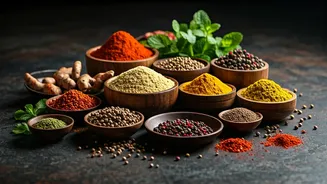
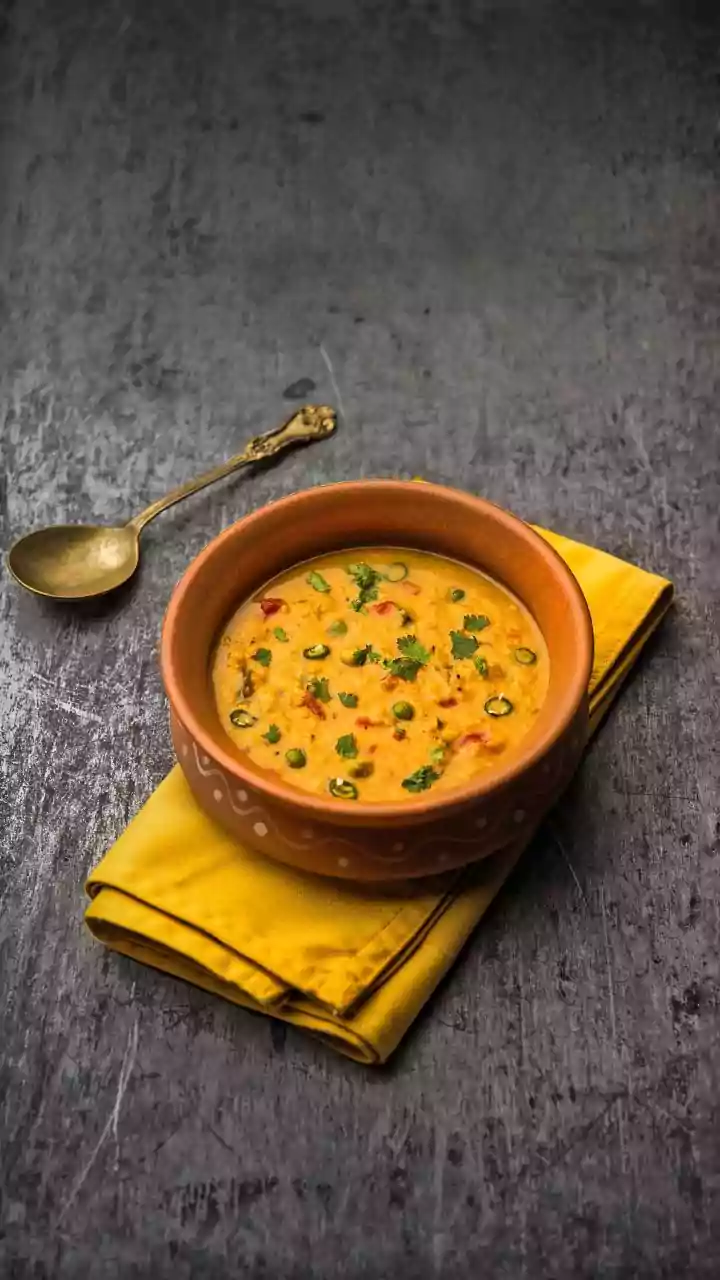
Embarking on a culinary journey can be an exciting process. Start with experimentation, trying new recipes and cuisines. Don't be afraid to make mistakes; they are part of the learning process. The key is to keep an open mind and embrace new flavors. Start by exploring diverse cuisines, such as trying Indian dishes with various spices and flavors. As you experiment, develop an awareness of flavor profiles; learn how ingredients interact and how different cooking techniques impact the taste. Also, make use of reliable sources of information such as cookbooks, cooking shows, and online resources. Engage with the culinary community by reading food blogs, participating in cooking classes, or joining culinary groups. This encourages exploration and learning, making the process both engaging and rewarding. The main thing is to approach cooking as a constant learning process. These tips will help transform cooking into a fulfilling adventure.