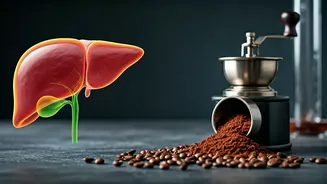








Coffee's Liver Advantage
Celebrity Shoaib Ibrahim has recently highlighted a piece of health advice he received, suggesting that freshly ground black coffee holds significant benefits
for liver health, especially when contrasted with instant coffee mixes. According to Ibrahim's YouTube vlogs, medical professionals have indicated that the process of grinding coffee beans and brewing them fresh yields a superior outcome for the liver compared to pre-packaged instant varieties. He shared this observation while enjoying a cup, noting that his wife, Dipika Kakar, has also adopted this habit. The recommendation extends to a daily intake of around 3-4 cups of black coffee for optimal benefits. Ibrahim himself consumes at least two cups daily, often before his gym sessions, to leverage its stimulating effects. This newfound appreciation for black coffee stems from a desire to adopt healthier habits for both himself and his family.
Fresh Brew vs. Instant
Delving deeper into the distinction between freshly brewed and instant coffee, Dr. Swapnil Sharma, a consultant in liver transplantation and gastrointestinal surgery, corroborates the preference for the former. He explains that freshly ground coffee is typically a pure product, devoid of artificial flavourings, excessive sugars, and creamers that are frequently incorporated into instant coffee formulations. These added components in instant mixes can contribute to an elevated calorie count and potentially disrupt the body's metabolic processes. In contrast, plain black coffee, prepared from ground beans, is considered a cleaner beverage. This allows the body to absorb and benefit from the inherent beneficial compounds and antioxidants present in coffee without the interference of unnecessary additives, thus supporting overall health more effectively.
Moderation is Key
While the health benefits of black coffee are promising, Dr. Sharma emphasizes the importance of mindful consumption, particularly concerning the quantity. For the majority of healthy adults, a daily intake of two to three cups of black coffee, distributed throughout the day, is generally deemed safe and beneficial. However, he cautions that some individuals might be more sensitive to caffeine and could experience adverse effects even with moderate consumption. The upper limit can extend to three or four cups for certain people, but this varies significantly based on individual tolerance. Overconsumption can lead to uncomfortable issues such as increased acidity, disturbed sleep patterns, and heightened feelings of restlessness. Therefore, it's crucial for individuals to pay close attention to their body's reactions and adjust their coffee intake accordingly to avoid negative repercussions.
Pre-Workout Boost
The practice of consuming black coffee before engaging in physical activity can offer several advantages for those looking to enhance their workout sessions. Dr. Sharma confirms that black coffee can indeed sharpen alertness and provide a significant energy boost, which may translate to improved performance during exercise for some individuals. This pre-workout ritual can help individuals feel more focused and energetic, potentially leading to more effective training. However, he reiterates that this practice should be approached with moderation. It is also advisable not to consume coffee on an entirely empty stomach if it tends to cause any digestive discomfort or uneasiness. Balancing the benefits with personal tolerance is essential for a positive exercise experience.
Holistic Approach
Ultimately, while black coffee can be a valuable component of a liver-friendly lifestyle, it is not a standalone solution. Experts stress that its positive effects are maximized when integrated into a broader framework of healthy living. This holistic approach involves maintaining a balanced and nutritious diet, ensuring consistent engagement in regular physical exercise, and prioritizing sufficient, quality sleep. These lifestyle elements work synergistically to support overall health and well-being, with black coffee acting as a complementary aid rather than a primary driver of health. Adopting these comprehensive habits is crucial for long-term health benefits and a robust liver function.