





Decoding Glazed Donut Skin
The 'glazed donut skin' trend, popularized on social media, centers on cultivating a supremely hydrated, plump, and radiant complexion that appears luminously
dewy. This aesthetic is achieved through a meticulous, multi-step skincare regimen. The core principles involve saturating the skin with moisture using humectants like hyaluronic acid and glycerin, which draw water into the epidermal layers. Simultaneously, the trend emphasizes reinforcing the skin's natural protective barrier with ingredients such as ceramides and essential fatty acids. These components are crucial for preventing trans-epidermal water loss, thereby maintaining that coveted plumpness. Occasional, gentle exfoliation is also part of the regimen to slough off dead skin cells and reveal a brighter surface. Finally, consistent daily application of broad-spectrum sunscreen is non-negotiable to shield the skin from UV-induced damage that can compromise its health and radiance, a fundamental aspect of maintaining any glowing complexion.
Indian Skin: The Nuance
Indian skin tones, often characterized by a higher concentration of melanin, present unique considerations when adopting global skincare trends. While the underlying principles of hydration and barrier support are universally beneficial, the specific approach needs careful adaptation. The increased melanin content, while offering some natural UV protection, can also predispose the skin to hyperpigmentation, especially post-inflammatory hyperpigmentation (PIH). Furthermore, the higher prevalence of sebum production, particularly when combined with India's often humid climate, means that a heavy layering of occlusive products can easily lead to pore congestion and breakouts. These are critical factors that dermatologists emphasize when advising individuals with Indian skin on how to achieve a healthy glow without exacerbating existing concerns or creating new ones. Understanding these biological and environmental interactions is key to a successful and beneficial skincare routine.
What Suits Indian Skin Best
For Indian skin, focusing on robust hydration is paramount, regardless of whether your skin type leans towards oily, dry, or combination. Ingredients like hyaluronic acid, glycerin, and niacinamide are excellent allies in this pursuit, effectively drawing moisture to the skin and maintaining its suppleness. Given that many Indian skin types can be susceptible to barrier disruption from environmental stressors or aggressive skincare practices, ceramides are vital for repairing and fortifying this crucial protective layer. To combat environmental aggressors and enhance radiance, incorporating antioxidants such as Vitamin C, Vitamin E, and ferulic acid is highly recommended. For those concerned with uneven skin tone or texture, gentle exfoliants like lactic acid or mandelic acid can be beneficial, improving clarity and smoothness without triggering irritation or exacerbating hyperpigmentation, which is a common concern for Indian complexions.
Pitfalls to Sidestep
When pursuing the 'glazed donut skin' aesthetic, certain practices can be detrimental, particularly for Indian skin. Over-exfoliation poses a significant risk, as it can aggravate post-inflammatory hyperpigmentation, leading to increased redness and irritation. The indiscriminate use of numerous potent active ingredients without allowing the skin to acclimate can also disrupt the skin barrier, causing adverse reactions. While the trend suggests a dewy finish, applying heavy occlusive products, such as thick petroleum jelly-based balms, to oily or acne-prone Indian skin can clog pores and trigger breakouts. Most importantly, neglecting daily sunscreen application is a grave error; Indian skin is particularly vulnerable to sun damage and the development of pigmentation, making consistent sun protection an absolute necessity for preserving skin health and achieving a balanced, radiant complexion.
The Indian Glazed Routine
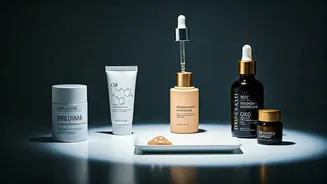
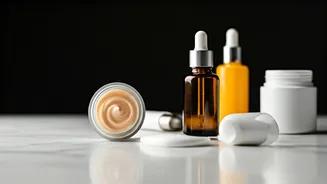
Crafting a 'glazed donut skin' routine suitable for Indian complexions involves a thoughtful selection of products and steps. Begin with a gentle, low-pH cleanser that effectively removes impurities without stripping the skin's natural moisture barrier. Follow this with a hydrating toner infused with ingredients like ceramides or panthenol, ensuring it is free from alcohol and harsh fragrances. Next, apply a serum that combines the benefits of niacinamide and hyaluronic acid, ideally to damp skin to maximize absorption. For moisturization, opt for a lightweight gel-cream formula if you have oily skin, or a richer ceramide-based cream if your skin is dry or combination. The final, non-negotiable step is a broad-spectrum SPF 50+ PA++++ sunscreen with a non-greasy finish. Optionally, for enhanced hydration, consider a few drops of a non-comedogenic face oil if you have dry skin, or a gentle chemical exfoliant once or twice a week for improved texture.