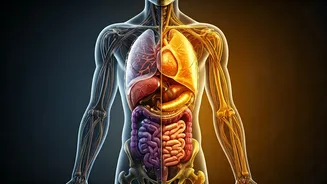







Initial Dietary Adjustments
When you choose to eliminate ghee and oil from your diet, the body undergoes a series of initial adjustments. These adjustments primarily revolve around
changes in how the body processes fats, which are essential for several bodily functions. Initially, the body may experience a shift in energy levels as it adapts to using alternative energy sources, such as carbohydrates or proteins. This early phase can also bring on alterations in digestion, potentially leading to varied bowel movements. Those accustomed to consuming ghee and oil may find that the initial absence could affect the flavor profile of meals, necessitating the incorporation of alternate cooking methods or spices to maintain taste and satisfaction. Furthermore, skin health, influenced by fat intake, might experience a temporary change as the body rebalances its natural oil production. It is crucial to monitor these early changes and adapt the diet by possibly incorporating other healthy fats that support overall well-being.
Impact on Cholesterol Levels
One of the most noteworthy consequences of eliminating ghee and oil from the diet involves the impact on cholesterol levels. Ghee, being a saturated fat, and oils, depending on their composition, can influence the body’s cholesterol profile. Upon removal, there can be a decrease in the levels of LDL cholesterol, often called “bad” cholesterol, which is linked to an elevated risk of heart disease. Conversely, the absence might affect HDL cholesterol, the “good” cholesterol that helps to eliminate excess cholesterol from the arteries, although the impact can vary. It is important to remember that individual responses will vary, and it is advisable to get periodic blood tests to monitor cholesterol levels and make informed health decisions. It is important to consult a healthcare professional. They can interpret the results and make suitable dietary recommendations based on the person's health status and overall health goals to ensure a balanced approach to the diet.
Weight Management Implications
Removing ghee and oil from one's diet may have significant implications for weight management. These changes often lead to a reduction in overall caloric intake, as fats are the most calorie-dense macronutrient. By eliminating fats, individuals may find it easier to achieve a caloric deficit, essential for weight loss. Moreover, altering the types of fats consumed can indirectly impact appetite and satiety. Fats, like ghee, can contribute to feelings of fullness and slow the rate of digestion, and when absent, it can affect how full a person feels after eating meals. It’s also crucial to monitor the types of food consumed to ensure adequate intake of other nutrients and maintain a balanced diet. Combining dietary changes with regular exercise and a healthy lifestyle provides a sustainable and effective strategy for weight management. Regularly consulting healthcare professionals or registered dietitians can help ensure a balanced and personalized approach to achieving and maintaining a healthy weight.
Digestive System Reactions
The digestive system is significantly affected when ghee and oil are removed from the diet. Fats play a vital role in the digestive process, aiding in nutrient absorption and supporting the overall function of the gastrointestinal system. The absence of fat can affect how the body absorbs fat-soluble vitamins such as A, D, E, and K, potentially leading to deficiencies if not addressed through dietary modifications. Dietary fats also aid in stimulating the release of bile, a digestive fluid essential for breaking down fats in the small intestine. This is important for those dealing with specific digestive issues, like irritable bowel syndrome (IBS) or other digestive disorders, as it may impact the frequency and consistency of bowel movements. When making changes, it’s advisable to introduce alternative healthy fats, like those found in avocados or nuts, to ensure optimal digestive health. Monitoring the body's reaction, alongside possible adjustments to the diet, is key to maintaining proper digestive functionality and general well-being.
Skin Health and Appearance
Skin health and appearance may change after eliminating ghee and oil from the diet. Fats, particularly essential fatty acids, are crucial components of cell membranes and contribute to the skin's structure, hydration, and overall appearance. The absence can affect skin hydration, potentially resulting in dryness or changes in the skin's texture. Fats also aid in the absorption of fat-soluble vitamins, which are vital for healthy skin. A lack of these vitamins can affect the skin's elasticity, radiance, and healing processes. Conversely, some individuals may encounter improvements, especially if they had previously consumed excessive amounts of unhealthy fats. These changes can result in lower inflammation and potentially enhance skin clarity. Incorporating alternative sources of healthy fats, such as those found in avocados, nuts, and seeds, can help mitigate these effects. It is crucial to stay hydrated, ensure proper vitamin intake, and consult a dermatologist for personalized skincare advice.
Long-Term Health Considerations
The long-term health implications of removing ghee and oil from the diet encompass a variety of important factors. Prolonged elimination can affect the absorption of fat-soluble vitamins and essential fatty acids, which are vital for several bodily functions. Potential deficiencies in vitamins A, D, E, and K may influence bone health, immune function, and vision, among other areas. Likewise, the reduced intake of essential fatty acids can contribute to chronic inflammation and affect brain health. It's essential to ensure an adequate intake of these essential nutrients from alternative sources, like supplements, as well as the types of fats consumed. The elimination of ghee and oil can result in weight loss, and changes to cholesterol levels. However, it's essential to adopt a balanced approach that supports overall well-being. Regular check-ups with a healthcare provider and a focus on nutrient-dense foods will enable individuals to make sustainable dietary choices that support their long-term health goals.