






The Icy Peril
As winter's frost descends, gardens transform into hazardous landscapes for small creatures. Birds and hedgehogs, particularly vulnerable due to their
size, face a significant risk of falls on icy surfaces while seeking sustenance or shelter. The traditional garden can become a minefield of slippery netting and frozen patios. This precarious situation highlights a growing need for simple, effective interventions that can make a tangible difference in their survival rates. The challenge lies in finding accessible and non-invasive methods to enhance safety and accessibility for these animals during a period of extreme environmental stress. The delicate balance of their foraging and movement is easily disrupted by the unforgiving nature of frozen ground and frosted materials.
Tennis Balls: Traction Boost
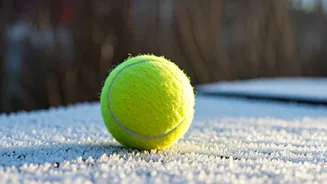
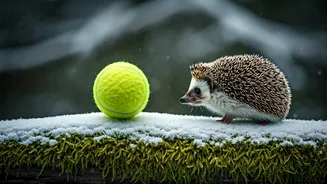
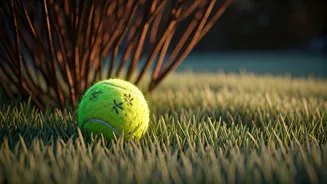
A surprisingly effective and popular home remedy involves the humble tennis ball. By strategically hanging these textured spheres in areas frequented by wildlife, such as along garden netting or on patios, gardeners can introduce much-needed traction. The principle behind this innovation is rooted in the science of friction and surface texture. Research, such as that published in Applied Ergonomics, indicates that textured rubber surfaces significantly improve grip on ice compared to smooth alternatives. While studies may focus on footwear, the concept translates directly to the garden setting. The rubberized, textured exterior of a tennis ball acts as a miniature grip device, providing a more stable surface for birds to land on and hedgehogs to traverse, thereby minimizing the risk of slips and falls.
Safe Landing Spots
For birds, finding a secure place to land and forage is paramount during winter. Freezing temperatures can render traditional perches and feeding areas dangerously slick, forcing birds to expend valuable energy just to maintain their balance. The introduction of tennis balls around bird feeders offers a reliable, non-slippery landing zone. Their bright colors also serve as an attractant, drawing birds towards these safer areas. This not only provides a stable platform for feeding but also conserves the energy birds would otherwise expend on balancing, contributing directly to their ability to survive the harsh cold by ensuring consistent access to food and a reduced risk of injury from falls.
Hedgehog Highway Helpers
Icy garden paths pose a considerable obstacle for hedgehogs and other small mammals attempting to navigate their environment, especially during nocturnal foraging. Fallen leaves and frost can exacerbate the slipperiness, making movement treacherous. Placing tennis balls along established hedgehog trails and near their shelters offers a vital solution. These balls provide essential footing, ensuring hedgehogs can move with stability and access food sources without the constant threat of slipping. This not only prevents injuries but also allows them to conserve energy that would otherwise be lost to sliding on precarious surfaces, supporting their overall health and survival through the winter months.
Strategic Placement Tips
To maximize the benefit of tennis balls for wildlife, placement is key. Position them in areas that experience heavy animal traffic and are prone to early icing. Prime locations include the vicinity of bird feeders, beneath garden netting, on patios, and along known hedgehog pathways or entrances to sheltered areas. The vivid colors of tennis balls make them easily visible against snowy backdrops, guiding animals toward safer surfaces. Regular checks are advisable to ensure the balls remain in place, unburied by snow, and appropriately positioned as animal routes or weather patterns shift. This proactive approach enhances the effectiveness of this simple yet impactful conservation strategy.
Complementary Care
While tennis balls offer a unique solution for traction, additional simple measures can further aid winter wildlife. Ensuring a continuous supply of unfrozen water in bird baths, for instance, can be achieved by adding small floating objects that create slight water movement, preventing freezing. Organizations like the Woodland Trust and RSPB emphasize that providing ample food, unfrozen water, and safe footholds are critical actions gardeners can take. Maintaining natural garden elements like fallen leaves and native plants also provides sustenance and habitat for insects and small mammals. Minimizing pesticide use and avoiding artificial turf contribute to a balanced ecosystem, supporting wildlife through the lean winter season.