




Initial Body Changes
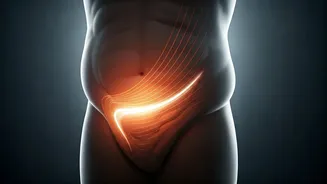
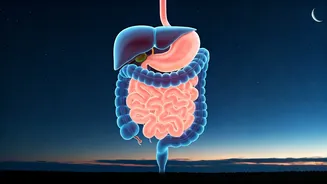
When you decide to stop consuming ghee and oil, the body begins a series of adjustments. Initially, you might notice changes in digestion. The absence
of these fats can affect the way your body breaks down food, potentially leading to alterations in bowel movements. Some people report feeling lighter or experiencing reduced bloating. Your skin may also undergo changes. Fats play a crucial role in maintaining skin health, so a reduction could result in drier skin. Additionally, the body may begin to tap into stored fat reserves for energy, which could lead to some weight loss. These initial changes are your body adapting to a new metabolic state, and the timing of these changes varies between individuals.
Impact on Cholesterol
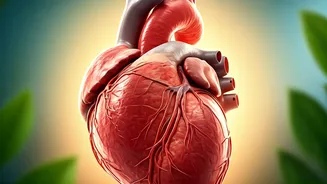
Another key area affected is cholesterol levels. Ghee, in particular, is high in saturated fats. By removing it and oils from your diet, you could potentially experience a decrease in LDL cholesterol, which is often called 'bad' cholesterol. This may reduce the risk of heart disease. However, it's also important to consider the overall fat profile of your diet. If you replace ghee and oil with other unhealthy fats, the benefits might be diminished. Regular monitoring of cholesterol levels by a healthcare professional is crucial to understand the complete picture and any changes to the health of the individual. This can help you personalize your dietary approach based on your unique needs and health profile.
Energy Levels & Metabolism
The shift away from ghee and oil can influence energy levels and metabolic processes. Fats are energy-dense, meaning they provide a significant amount of calories. Removing them can reduce your daily caloric intake. This could lead to a feeling of fatigue, especially in the short term, as your body adjusts to using other sources of energy, like carbohydrates or proteins. Your metabolism may also adjust. If you drastically reduce your fat intake, your body might slow down metabolism to conserve energy. This is a survival mechanism. Over time, the body can adapt. Consuming the right proportions of other macronutrients, such as proteins and carbohydrates, becomes extremely important to sustaining optimal energy. Eating the right foods can also help keep metabolism balanced.
Vitamin Absorption Issues
Fat plays a vital role in the absorption of fat-soluble vitamins such as Vitamins A, D, E, and K. When you exclude ghee and oil, you also risk hindering this process. These vitamins are essential for various bodily functions, including vision, bone health, immune function, and blood clotting. A deficiency could develop, manifesting in symptoms like vision changes, bone weakness, or slower wound healing. To counter this, it's essential to ensure you are consuming foods rich in these vitamins and to consider taking supplements if necessary. Supplementing or consuming foods rich in fat-soluble vitamins is extremely important.
Potential Benefits Realized
Despite the potential downsides, removing ghee and oil can also bring some positive results. This change may enhance insulin sensitivity, especially if you also reduce your intake of refined carbohydrates. This improvement can be particularly beneficial for those at risk of, or managing, type 2 diabetes. Additionally, you may notice a decrease in overall inflammation in the body. Fats can contribute to inflammation, and reducing your intake of certain fats could lead to reduced inflammation. The changes you experience also depend on other factors, such as your existing diet, exercise routine, and overall health status. Consult a healthcare expert or a registered dietitian to determine the best approach for you.