






The Triglyceride Connection
While cholesterol often steals the spotlight in heart health discussions, triglycerides play an equally crucial role. These blood fats are essential for
energy, but elevated levels can significantly increase the risk of cardiovascular disease. High triglycerides can lead to the accumulation of small, cholesterol-rich particles within artery walls, triggering inflammation and contributing to the formation of plaque that obstructs blood flow. It's a complex interplay where seemingly innocuous dietary choices can have profound effects on our circulatory system, underscoring the importance of understanding what we consume and its impact on our internal health metrics. Addressing triglyceride levels is therefore a vital component of a comprehensive approach to maintaining a healthy heart, moving beyond just focusing on cholesterol alone to encompass a broader view of blood lipid profiles and their implications for long-term well-being.
Sugar's Sweet Deception
Contrary to common assumptions that fat is the main offender, sugar-sweetened drinks emerge as a primary contributor to elevated triglyceride levels. Beverages such as sodas, overly sweetened teas, coffees laden with syrups, and sports drinks are particularly implicated. Research highlights a striking correlation: individuals consuming just 12 ounces of sugar-sweetened beverages daily face a 48% increased likelihood of experiencing high triglycerides. This statistic underscores the potent effect of liquid sugar on metabolic processes. The ease with which these drinks are consumed in large quantities, often without the satiating effect of solid food, makes them a significant dietary pitfall for many. Understanding this connection is the first step in making informed choices to protect cardiovascular health from this pervasive dietary element.
Metabolic Mayhem: Sugar Spikes
The consumption of sugar-sweetened beverages can trigger a cascade of metabolic disruptions. These drinks, rich in rapidly absorbed sugars and often devoid of fat, protein, or fiber, lead to swift spikes in blood sugar and subsequent insulin release. Over time, this can foster insulin resistance, a condition that significantly impacts lipid metabolism. Insulin resistance alters how the body processes fats, leading to an increase in triglycerides, a decrease in beneficial HDL cholesterol, and a rise in small, dense LDL cholesterol particles. These changes collectively create an environment conducive to heart disease. The rapid influx of sugar overwhelms the body's immediate energy needs, prompting the liver to convert excess sugar into triglycerides, thereby directly contributing to higher blood fat levels and an increased risk for cardiovascular complications.
Fructose: A Liver's Burden
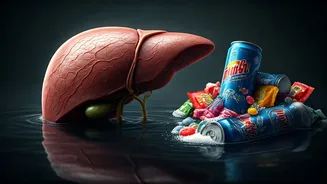
Many sweetened beverages are concocted with high-fructose corn syrup (HFCS), a sweetener that poses particular challenges to blood fat and glucose regulation. Studies indicate that even short-term consumption of HFCS-sweetened drinks can lead to a notable increase in liver fat and diminished insulin sensitivity, with effects escalating based on the quantity consumed. Fructose, when ingested in excess, is primarily processed by the liver, where it's converted into fat through a process known as de novo lipogenesis. This conversion is especially efficient when the liver's capacity to store sugar as glycogen is saturated, a scenario readily triggered by the high fructose load from these beverages. This metabolic pathway directly contributes to elevated triglyceride levels and is linked to conditions like nonalcoholic fatty liver disease and type 2 diabetes, both of which are closely associated with poor triglyceride management and increased heart disease risk.
The Visceral Fat Factor
Excessive intake of added sugars, particularly from sugar-sweetened beverages, plays a significant role in the accumulation of visceral fat, the dangerous fat stored deep within the abdominal cavity. Unlike subcutaneous fat, which is stored beneath the skin, visceral fat readily releases fatty acids into the bloodstream, contributing to systemic inflammation and increasing the risk of numerous metabolic health issues, including elevated triglycerides. Research indicates a strong correlation between high added sugar consumption and increased abdominal obesity. Those who consume substantial amounts of added sugars are more likely to develop abdominal obesity and are predisposed to overall obesity, further exacerbating the risk factors for heart disease and other related conditions. This highlights the critical link between dietary sugar, fat storage patterns, and cardiovascular health.
Effortless Overconsumption
Sugar-sweetened beverages are notorious for being easy to consume in excessive amounts, largely because they provide calories without promoting satiety. Unlike solid foods that trigger fullness signals, liquid calories are often consumed rapidly and do not register as filling, making it simple to ingest a large number of calories and sugar without feeling satisfied. This characteristic leads to a caloric surplus, contributing to weight gain and exacerbating issues like high triglycerides. Furthermore, these drinks often displace healthier alternatives such as water, milk, or nutrient-dense smoothies, thereby reducing the intake of essential vitamins, minerals, and fiber. The lack of nutritional value, combined with the high sugar content, makes these beverages a poor choice for overall health and a significant impediment to managing blood lipid levels effectively.
Smart Swaps for Health
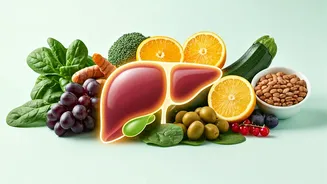
Managing triglyceride levels effectively involves adopting several lifestyle adjustments. Limiting or entirely avoiding alcohol is crucial, as the liver prioritizes alcohol metabolism, hindering its ability to burn fat and potentially leading to triglyceride buildup. Regular physical activity is another cornerstone; exercise enhances glucose and fat metabolism, helping to lower triglycerides. Simple strategies like taking the stairs or going for walks can make a difference. Incorporating fiber-rich foods into every meal and snack is also beneficial, as fiber slows digestion and reduces sugar and fat absorption, aiding in triglyceride control. Finally, including fatty fish like salmon and mackerel in your diet at least twice a week provides omega-3 fatty acids (EPA and DHA), which are known to help reduce triglyceride levels. These multifaceted strategies, combined with reducing sugary drink intake, offer a powerful approach to safeguarding heart health.