





What is Eurotunnel?
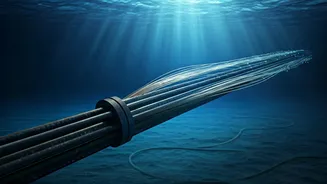
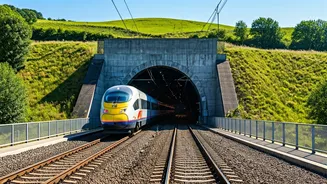
The Eurotunnel, also known as the Channel Tunnel, is an underwater railway tunnel that links Folkestone in the United Kingdom with Coquelles near Calais
in France. This engineering marvel allows passengers and vehicles to travel between the two countries by train. The Eurotunnel provides a quick and efficient mode of transport, with the journey taking approximately 35 minutes. It bypasses the need for ferries, offering a faster alternative for crossing the English Channel. The service is operated by Eurotunnel Le Shuttle, which transports cars, motorcycles, coaches, and trucks, as well as Eurostar trains that carry passengers. This connection has revolutionized travel between the UK and mainland Europe, providing a crucial link for both tourism and trade. Understanding the function of the Eurotunnel helps appreciate its impact on international travel and commerce, simplifying journeys across the English Channel for millions each year and providing a dependable link to European destinations.
Buying Your Tickets
Tickets for the Eurotunnel can be purchased through various channels. Passengers have the option of purchasing tickets online via the Eurotunnel Le Shuttle website, a convenient method that allows for easy booking and often offers the best deals. Tickets can also be purchased by phone through the Eurotunnel's customer service, useful for travelers who prefer to speak to a representative or need special assistance. Additionally, tickets are available at the Eurotunnel terminals themselves, although this method may be less advisable during peak travel periods due to the potential for longer queues. Consider booking your tickets in advance to secure your spot and avoid any potential price increases. Booking in advance is especially crucial during the peak season and holidays. Furthermore, compare prices and check for any special offers or promotions that might be available. Plan your trip with enough time to account for travel to the terminal and any pre-boarding procedures, ensuring you reach your destination smoothly.
Boarding the Train
The boarding process is designed to be efficient, but it's essential to understand the steps involved. Upon arrival at the Eurotunnel terminal, follow the signs to the check-in area where your tickets will be verified. After check-in, you’ll proceed through security checks, similar to those at airports, to ensure the safety of all travelers. Once security is cleared, you'll be directed to the boarding lanes. Drivers must remain with their vehicles throughout the loading process. Follow the instructions from the Eurotunnel staff, who will guide you to the appropriate carriage. Remember to switch off your engine while on the train. Once on board, you can relax in your vehicle, and enjoy the short journey through the Channel Tunnel. Be prepared for any security checks. These measures are in place to ensure a safe journey for everyone. Staying informed about the boarding procedure helps make your Eurotunnel experience smoother.
What's on the Train?
The Eurotunnel train is designed to be passenger-friendly and accommodating for the duration of the journey. Inside the carriages, you’ll find a well-lit and enclosed environment that provides a comfortable space for travelers. Cars, motorcycles, vans, and other vehicles are loaded onto dedicated carriages. Drivers and passengers remain inside their vehicles for the duration of the crossing. Restrooms are available in each carriage, providing convenience for the travelers. The journey from Folkestone to Calais (or vice versa) typically takes about 35 minutes, a short time to relax and prepare for arrival. Keeping informed about the facilities onboard ensures a pleasant trip. The design is optimized for a quick and efficient transfer through the tunnel, making it a convenient travel option. Passengers can relax in their vehicles for the journey duration.
Security and Checks
Security is a key priority for Eurotunnel, with multiple measures in place to ensure a safe journey. Passengers and vehicles go through security checks at the terminals before boarding. These checks are similar to airport security procedures and involve scanning vehicles and belongings. Passport checks are conducted before boarding to verify the identity of all travelers. The purpose is to confirm travelers’ right to cross the border. The Eurotunnel terminals are equipped with advanced security systems, and staff are trained to identify any potential threats. The security processes are designed to be efficient while maintaining a high level of vigilance. Understanding the emphasis on security provides reassurance and peace of mind during your travel. Cooperation with security staff is essential for a smooth and safe crossing. Security checks are standard for the traveler's safety and well-being.
Arrival Procedures
Upon arrival at your destination terminal, the exit procedure is straightforward. The train will gradually slow down and enter the terminal area. You will be directed off the train by Eurotunnel staff. Follow the signage, which will guide you through the terminal. Remember to have your passport and any necessary travel documents ready for inspection upon arrival. As you exit the train, you will be in either Coquelles (France) or Folkestone (UK), depending on your direction of travel. Once you have cleared the terminal, you can continue your journey by road. Ensure you are prepared for road conditions specific to your destination country. Take note of any new regulations, such as low emission zones. The entire arrival process is designed to be fast and secure. Adhering to the instructions provided by Eurotunnel staff ensures a seamless experience. Keep your travel documents ready to prevent delays.
Traveling with Pets
If you are traveling with pets through the Eurotunnel, there are specific guidelines to follow. Pets must have the required vaccinations and documentation, including a pet passport. The pet passport must be up-to-date and clearly show that the animal is authorized to travel. You will need to declare your pet at the check-in. Pets must stay in the vehicle for the duration of the crossing unless they are service animals. Service animals are permitted on the train and must be kept on a leash. Bring water and any necessities for your pet’s comfort. Keeping your pet secure and comfortable is a critical part of the process. Prior preparation is essential for a hassle-free trip. The staff can provide assistance and guidance if you need additional help.
What if You're Late?
Arriving late can create challenges, so it is best to plan to arrive with plenty of time. If you do arrive late for your scheduled Eurotunnel crossing, contact Eurotunnel customer service as soon as possible. Depending on the conditions and the schedule, they may be able to accommodate you on a later train. However, this is not guaranteed, especially during peak travel periods. If you miss your train, you might be subject to additional charges or fees. Review your ticket's terms and conditions before traveling for any details on late arrivals. Keep in mind that flexibility is important in your travel plans. Consider the impact of potential delays on your itinerary. Arriving early minimizes the possibility of such problems and ensures you will have a smoother trip.
Eurotunnel vs. Ferry
When choosing between the Eurotunnel and a ferry, consider factors like speed, cost, and personal preference. The Eurotunnel offers a significantly faster crossing time, typically about 35 minutes, whereas ferries take longer, varying from 90 minutes to several hours depending on the route. Generally, the Eurotunnel is more expensive than the ferry. The price varies depending on the time of year and demand. The Eurotunnel is a more weather-independent option. Ferry crossings can be affected by adverse weather conditions. For travelers seeking a quick and efficient passage, the Eurotunnel is ideal. Ferries offer the option of experiencing open water and more space. Compare prices and services to fit your requirements. Ultimately, the best choice depends on your specific needs and priorities.