






Budget Overview & Goals
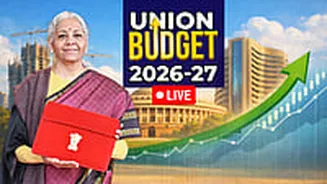
The Union Budget 2026-27 is designed to lay the groundwork for a developed India. The primary goal is to foster economic growth and development, aiming
to propel the nation toward a more prosperous future. Chhattisgarh Chief Minister Sai underscored the budget's vision, highlighting its foundational role in achieving this ambitious objective. The budget serves as a strategic roadmap, outlining financial allocations and policy directives intended to steer India towards its long-term economic aspirations. The budget, crafted with future development in mind, seeks to address critical sectors and drive overall national progress. It represents a commitment to building a stronger, more resilient economy for the nation, ensuring sustainable growth and well-being.
Sector-Specific Allocations
Specific allocations within the Union Budget 2026-27 have drawn considerable attention. One notable area is the Chabahar port, with its allocation slashed to zero. This decision, likely influenced by US sanctions, signals a strategic pivot in India's international relations and infrastructure investments. While the budget sets its sights on broader development, the Chabahar port's reduced funding is a clear indication of geopolitical considerations. This shift emphasizes the complex interplay between financial planning and global alliances. The implications of this funding cut will likely affect the port's future role in regional trade and connectivity.
Market Reactions & Analysis
The stock market's initial response to the budget was notably negative. The Sensex and Nifty experienced their worst budget-day trading sessions in at least six years, reflecting investor concerns and market volatility. This sharp downturn indicates a cautious sentiment among financial players regarding the budget’s immediate impact on the economy. Analysts are meticulously evaluating the budget’s details, focusing on how these measures will shape the financial landscape and affect various sectors. Market analysts and economists are assessing the budget’s influence on economic performance. These fluctuations point to the complex nature of budget’s influence and its ramifications on investor confidence and economic stability.
Political Reactions & Views
Political figures have weighed in on the Union Budget 2026-27, offering diverse perspectives on its merits and demerits. For example, Akhilesh Yadav criticized the budget, labeling it 'depressing' for the middle class and the less privileged segments of society. This criticism showcases the political divide in assessing the budget's impact on different groups and highlights the varied viewpoints on its effectiveness. The observations from political figures provide valuable insights into the political ramifications of the budget. Examining the varied reactions shows the complicated process of political assessment and how policymakers evaluate the budget's financial and social impacts. Their observations are critical in understanding how different segments view the budget and its possible outcomes.