


Ancient Manuscript Discovery
A fascinating piece of culinary history has resurfaced, sparking debate about the true origins of the universally adored samosa. A viral post on X, shared
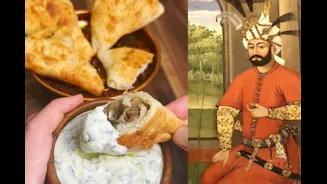
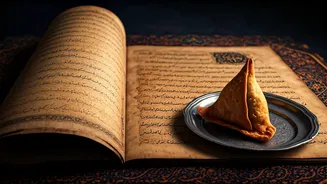
by Dr. M.F. Khan, a historian and archaeologist, points to a centuries-old Persian manuscript named Ni'matnama as evidence of a vastly different, ancient iteration of the snack. This opulent text, dating back to the early 16th century (specifically between 1501 and 1510), was originally crafted for the Sultan of Mandu. Currently housed within the esteemed British Museum, the manuscript offers a unique window into the past, challenging modern perceptions of what constitutes a traditional samosa. The post posits that this 500-year-old recipe predates the samosa's widespread popularity as a street food, suggesting a more regal and exclusive beginning for this now-ubiquitous delicacy.
A Royal Recipe Revealed
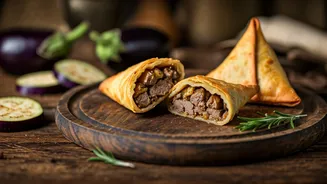
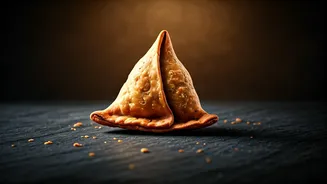
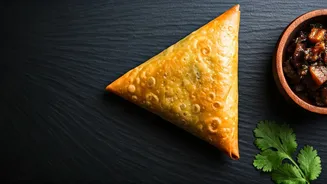
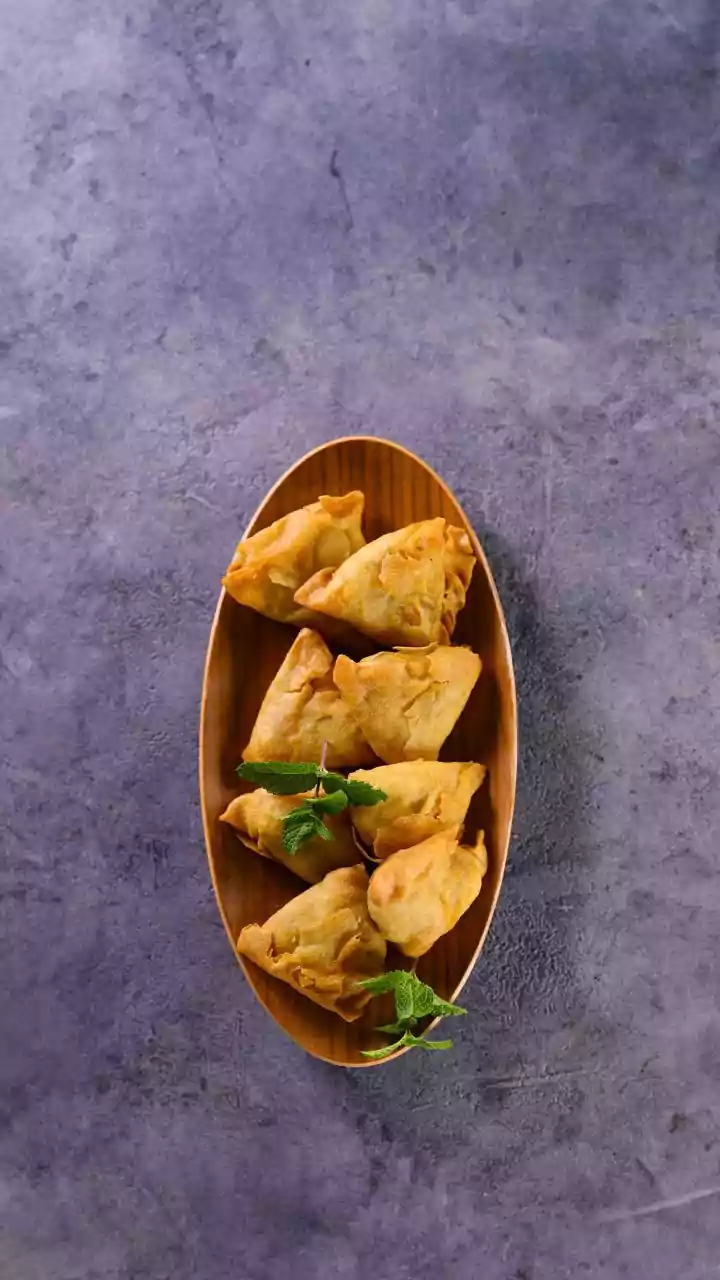
The Ni'matnama manuscript paints a picture of a samosa far removed from the potato-filled delights commonly enjoyed today. According to the historical text featured in the viral post, the original samosa was a sophisticated concoction featuring roasted aubergine pulp, dried ginger, and lamb. This rich filling was then expertly fried in ghee, a clarified butter widely used in Indian cooking. What's particularly striking is the absence of ingredients that are now considered quintessential to the samosa. The manuscript makes no mention of potatoes or chili peppers, both of which arrived in India much later, after the period in which the Ni'matnama was written. This suggests that the samosa evolved significantly over centuries, incorporating new ingredients and adapting to different culinary landscapes and preferences.
Evolution Through History
The journey of the Ni'matnama manuscript itself is a testament to its historical significance. The post indicates that the manuscript passed through the hands of notable historical figures, including the Mughal emperor Akbar and later Tipu Sultan, before eventually finding its way into British collections. This trajectory underscores the samosa's deep roots within various royal courts and cultural exchanges. The user framing the discovery aptly labels this ancient preparation as "the samosa before it became street food," implying a transformation from a dish potentially reserved for the elite to the accessible, everyday snack recognized globally. This historical lineage highlights how food traditions are dynamic, constantly influenced by trade, migration, and changing societal tastes, making the samosa a compelling example of culinary evolution.
Global Perspectives Emerge
The viral post has ignited a lively discussion among netizens, revealing diverse perspectives on the samosa's origins and identity. While the Ni'matnama manuscript suggests a Persian and Indian royal connection, some users point to other potential roots. One commenter mentioned Oman, where a similar dish is known as 'Sambosa.' Another highlighted the Persian word 'sanbusak' or 'sanbosag,' meaning 'triangle,' suggesting a geographical spread from the Middle East and Central Asia, where it was initially considered 'nomad grub.' The very language of the manuscript, Persian, is also noted as having been the language of the Muslim elite in India, further weaving its Indian connection. This exchange of ideas underscores that the samosa, like many beloved foods, likely has a complex and multi-faceted history influenced by various cultures and trade routes over millennia.