






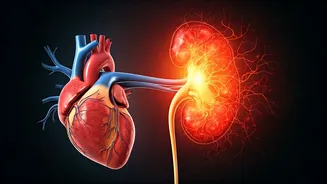


The Hidden Heart Link
It turns out that the habit of brushing your teeth before sleep is more than just a cosmetic concern; it holds significant implications for your cardiovascular
system. Experts highlight that failing to maintain good oral hygiene, especially by not brushing at night, can elevate your risk of developing serious heart conditions, including heart disease and heart failure. This connection isn't about a direct cause-and-effect but rather a crucial link where poor oral care contributes to a higher overall risk profile. The prevailing theory suggests that the bacteria thriving in an unbrushed mouth can make their way into your bloodstream. Once there, these microorganisms can instigate inflammation, a process that, over time, can negatively affect the heart's function and integrity. Therefore, the simple act of cleaning your teeth before retiring for the night serves as a protective measure against potential cardiovascular issues, underscoring its importance in a holistic approach to health.
Bacteria's Inflammatory Pathway
When you forgo brushing your teeth before bed, a conducive environment is created for plaque and a multitude of bacteria to flourish. These oral microbes don't just stay put; they can actively release toxins. These toxins possess the ability to penetrate the protective barriers of your mouth and enter your systemic circulation. Once in the bloodstream, they act as triggers, initiating a widespread inflammatory response throughout your body. Chronic inflammation, a persistent state of this response, can gradually degrade the delicate lining of your blood vessels. This damage can lead to the accumulation of fatty deposits, known as arterial plaque, a primary culprit in the development of cardiovascular diseases. While not everyone who neglects their oral hygiene will inevitably suffer from heart problems, maintaining a clean mouth significantly helps in mitigating this systemic inflammation, thereby contributing positively to the overall health of your heart and circulatory system.
Brushing Habits and Heart Risk
The frequency and diligence of your teeth-brushing habits appear to correlate directly with the state of your heart health. Research indicates that individuals who consistently practice thorough oral hygiene, brushing their teeth at least three times daily, and undergo regular professional dental cleanings, tend to exhibit a lower incidence of heart disease. Beyond the cardiovascular benefits, this rigorous approach to oral care also plays a vital role in preventing common dental ailments such as gum disease and the loss of teeth. Considering oral hygiene as one of the most accessible and straightforward methods to support your heart health reinforces its essential place in preventative healthcare strategies. It's a simple yet powerful habit that offers a dual benefit, safeguarding both your smile and your vital organs.
Integrating Oral Care Holistically
To effectively gauge your overall health risks and seamlessly incorporate robust oral care into a heart-conscious lifestyle, a multifaceted approach is necessary. Assessing heart health involves looking beyond just one factor, considering metrics like blood pressure, cholesterol levels, blood sugar readings, genetic predispositions (family history), and daily lifestyle choices including diet, physical activity, and whether one smokes. Oral care fits perfectly into this comprehensive picture by actively preventing inflammatory conditions like gum disease, which, as we've seen, can have systemic effects. By committing to regular brushing and flossing, coupled with consistent dental checkups, you are actively reducing a significant contributing factor to potential cardiovascular issues. Addressing early signs of gum problems with your dentist ensures that both your oral hygiene and your heart remain in optimal condition, creating a synergistic effect for long-term well-being.
Practical Tips for Busy Lives
For individuals navigating demanding schedules, maintaining consistent oral hygiene requires practical and accessible strategies. The cornerstone remains brushing diligently for a full two minutes, at least twice every day, with the addition of a quick brush after lunch offering further benefit. Crucially, before bedtime, flossing or utilizing interdental brushes is highly recommended to dislodge plaque and food particles that a regular toothbrush might miss. To ensure you're never caught unprepared, consider keeping a travel-sized toothbrush and toothpaste readily available at your workplace or within your everyday bag. Furthermore, scheduling routine dental checkups every six months is indispensable. These appointments allow for early detection and management of potential oral health issues, maintaining long-term dental wellness without imposing an overwhelming burden on your busy routine.