




Light vs. Ignorance
For ages, Hindu traditions have used the radiant flame of a diya as a potent metaphor for the illumination of knowledge, starkly contrasting it with the obscuring
darkness of ignorance. This visible representation serves as more than just a source of light; it's a profound public declaration of an individual's commitment to seeking clarity and understanding. The gentle flicker of the flame encourages the devotee to move from a state of mental confusion towards focused attention and a deeper grasp of their surroundings and inner self. In essence, lighting a diya offers a concise, tangible curriculum for spiritual development: it prompts one to pay close attention, identify areas of bewilderment, and actively pursue enlightenment and comprehension.
The Ritual's Embrace
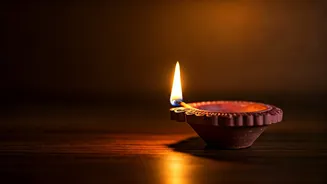
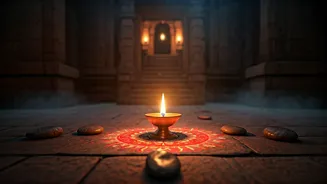
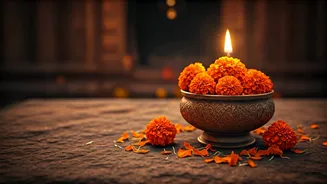
In the tranquil moments of dawn or dusk, the lighting of a small clay lamp, known as a diya, becomes a cherished household ritual. This practice involves carefully pouring a bit of oil into the lamp, adjusting the cotton wick, and then igniting it to bring forth a steady flame. The diya's soft, warm luminescence not only imbues the space with a sense of calm but also serves to draw the attention of those present inward. While seemingly a simple act, it carries a depth of meaning far beyond routine. Preceding prayer, lighting the diya acts as a deliberate pause, a moment to gather one's thoughts and turn inward for quiet contemplation. This tradition is observed in temples and home shrines alike, with the diya symbolizing various layers of spiritual significance, including knowledge, unwavering devotion, disciplined practice, and the ongoing journey of personal growth.
Sanctifying Sacred Space
Beyond its spiritual symbolism, the act of lighting a diya serves to transform a physical space, designating it as sacred and set apart for prayer and reflection. In many homes, the diya is a welcoming beacon, a tangible expression of hospitality that signals readiness for spiritual engagement. It communicates that the area is now dedicated to focused attention, to heartfelt speech in the form of prayer, and to receptive listening. Thus, the flame functions less as a mere instrument and more as a symbolic gateway, inviting participants into a realm of deeper awareness and connection.
The Soul's Steady Flame
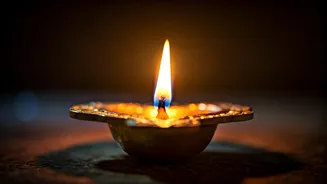
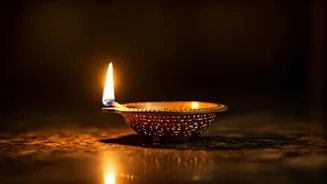
Observing a diya reveals a remarkable consistency in its flame: it rises, stabilizes, and maintains its form independently of the vessel holding it. This unwavering behavior provides a powerful visual analogy for the 'atman,' or the soul, which various spiritual traditions describe as the enduring inner self that remains constant despite the inevitable changes in the physical body and external circumstances. For many spiritual practitioners, watching the steady, unperturbed dance of the diya's flame offers a way to quiet fleeting anxieties and acknowledge a profound underlying continuity within their being, fostering a sense of inner peace.
Lessons in Letting Go
The physical elements of the diya itself impart significant lessons. The wick represents the ego, while the oil symbolizes the passions and desires – such as greed, anger, and attachment – that fuel it. As the lamp burns, these materials are consumed and transformed into pure light. This imagery is a precise metaphor for spiritual practice: it involves the gradual and steady dissipation of lesser, material aspects of oneself, allowing something more refined and luminous to emerge. This process of transformation is depicted not as a sudden or forceful event, but rather as a slow, deliberate, and consumptive journey toward spiritual clarity.