





Noodle Nirvana
Noodles are a cornerstone of Chinese cuisine, offering endless possibilities for vegetarian enjoyment. One classic is vegetable chow mein, where the noodles
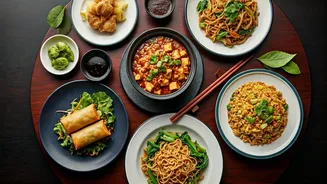
are stir-fried with a mix of colorful vegetables like carrots, bell peppers, and snap peas. The key to great chow mein is the sauce, a savory blend of soy sauce, sesame oil, and a touch of sugar. Another favorite is lo mein, similar to chow mein but with softer noodles and a slightly different sauce profile. Then, there's the delightful Dan Dan noodles, which are known for their spicy, peanut-flavored sauce. They usually include wheat noodles, preserved vegetables, chili oil, Sichuan peppercorns, and peanuts or sesame seeds. Consider experimenting with different noodle types, such as rice noodles for a gluten-free option, or even udon for a heartier texture.
Dumpling Delights
Vegetarian dumplings are a joy to make and eat. They are typically filled with a combination of finely chopped vegetables like cabbage, mushrooms, and carrots. Seasonings such as ginger, garlic, and soy sauce add depth of flavor to the filling. The wrappers can be store-bought or homemade, and they can be boiled, steamed, or pan-fried. Steamed dumplings offer a light and delicate experience. If you like it more savory, potstickers are pan-fried until the bottoms are crispy, while the tops remain soft. The options are numerous and flavorful. Serving dumplings with a dipping sauce, such as a mixture of soy sauce, rice vinegar, and chili oil, elevates the flavor.
Tofu Temptations
Tofu, a versatile ingredient, is a staple in vegetarian Chinese cuisine. Mapo tofu is a Sichuan dish, it features soft tofu simmered in a spicy, flavorful sauce. The sauce typically includes fermented black beans, chili bean paste, and a touch of Sichuan peppercorns. Another classic is stir-fried tofu with mixed vegetables, where the tofu is cubed and stir-fried with an array of vegetables in a savory sauce. For a more crispy texture, try deep-frying the tofu before adding it to the dish. Tofu can also be used in vegetarian versions of other popular dishes, like sweet and sour tofu. The options for tofu preparation are only limited by your imagination.
Vegetable Ventures
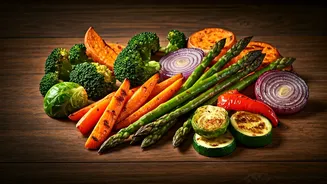
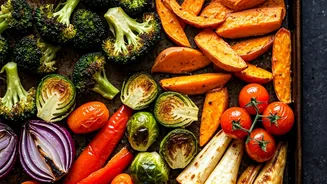
Beyond noodles, dumplings, and tofu, vegetarian Chinese cuisine offers a wealth of vegetable dishes. Stir-fried green beans with garlic is a simple, yet satisfying, dish. The green beans are quickly stir-fried with minced garlic, and the key is to cook them until they are slightly blistered and tender. Broccoli with garlic sauce is another delicious option, where the broccoli is steamed or blanched before being tossed in a garlicky, savory sauce. Another popular choice is a simple vegetable stir-fry, where various vegetables are stir-fried together in a light sauce. Don't be afraid to experiment with different combinations of vegetables and seasonings. Adding a bit of sesame oil towards the end of the cooking process adds an extra layer of flavor.
Rice Revelations
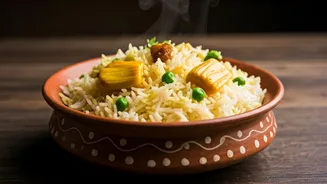
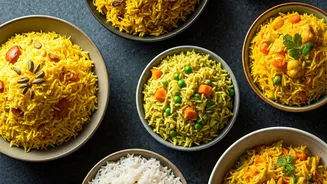
Rice is a constant feature in Chinese cuisine, and there are many vegetarian rice dishes to enjoy. Vegetable fried rice is a versatile dish, made with cooked rice, mixed vegetables, and a savory sauce. The key is to use day-old rice, which helps prevent the rice from becoming mushy. Egg fried rice is another version, including eggs. Sweet and sour vegetable rice is a delightful combination of sweet and sour sauce with assorted vegetables and rice. Rice can also be served plain as a complement to other dishes, ensuring a balanced meal. The simple addition of a few ingredients can elevate plain rice, giving it a whole new flavor.
Sauce Sensations
The sauces in Chinese cuisine are what truly bring the flavors to life. From the savory goodness of soy sauce and oyster sauce (used in vegetarian form) to the tangy sweetness of sweet and sour sauce, the sauce is a critical element. Black bean sauce, made from fermented black beans, adds a unique umami flavor to dishes. Chili garlic sauce provides a spicy kick. Hoisin sauce, a thick, sweet and savory sauce, is often used as a glaze or dipping sauce. The use of various sauces is an essential part of the flavor profiles that make Chinese cuisine so distinct.
Flavor Enhancers
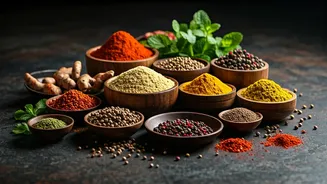
Enhance your dishes using a combination of flavor-rich ingredients. Ginger and garlic are essential for adding fragrance and warmth to your creations. Fresh chilies or chili flakes give a spicy kick. Sesame oil provides a distinct nutty flavor. Rice vinegar is often used to add tanginess. Five-spice powder, a blend of star anise, cloves, cinnamon, Sichuan peppercorns, and fennel seeds, is a classic spice blend in Chinese cuisine. Other items like mushrooms and bamboo shoots can add earthiness. The key is to balance the flavors to bring out the best in the dish.
Dessert Delights
Though less focused on in the context of main course dishes, desserts have a spot in the Chinese cuisine. One popular option is fried sesame balls, which are made from glutinous rice flour and filled with sweet red bean paste. Another choice could be mango pudding, which offers a refreshing end to the meal. Sweet soup with fruit is another light choice. Chinese desserts often focus on fresh fruit and subtle sweetness, and they typically aren't overly rich or heavy, making them a great end to a multi-course vegetarian meal.
Ingredient Insights
Knowing the ingredients is key. Start with fresh vegetables, like broccoli, carrots, and mushrooms. Good quality soy sauce, sesame oil, and rice vinegar are essential for flavor. Make sure you use fresh ginger and garlic. Explore different types of noodles, such as egg noodles, rice noodles, and wheat noodles. Also, try various tofu textures, like firm, soft, and silken tofu. Stocking your pantry with these ingredients ensures that you will have everything you need to experiment with vegetarian Chinese cuisine.
Culinary Creativity
Ultimately, the joy of cooking lies in the willingness to experiment. Don't be afraid to adapt recipes to your preferences, adding your favorite vegetables or adjusting the spice levels. The internet offers vast amounts of resources for inspiration. Cooking vegetarian Chinese food is a celebration of flavors, textures, and the joy of sharing a delicious meal. Try different dishes and enjoy the wonderful world of vegetarian Chinese food.