

Essential Knife Skills & Techniques
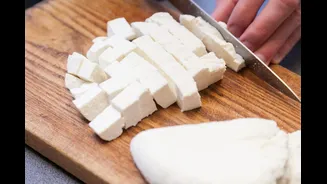
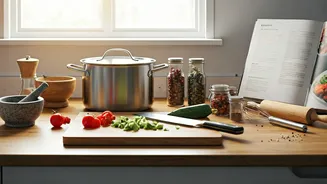
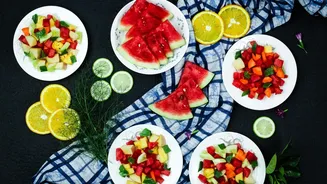
Before diving into complex recipes, understanding the fundamentals is crucial. This includes essential knife skills like chopping, dicing, and mincing,
which not only enhance the presentation but also impact the cooking time and texture of ingredients. Different cutting styles are used for different purposes; for example, a fine dice is often required for sauces, while a rough chop is suitable for stews. Another critical aspect involves grasping the correct cooking methods, such as sautéing, grilling, baking, and boiling. Each technique uses different levels of heat and duration to produce different outcomes, and you must understand what each technique achieves. For example, sautéing involves quickly cooking food in a small amount of fat over medium-high heat, while baking uses dry heat within an oven to cook foods.
Indian, Italian, and Mexican Delights
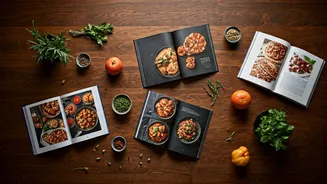
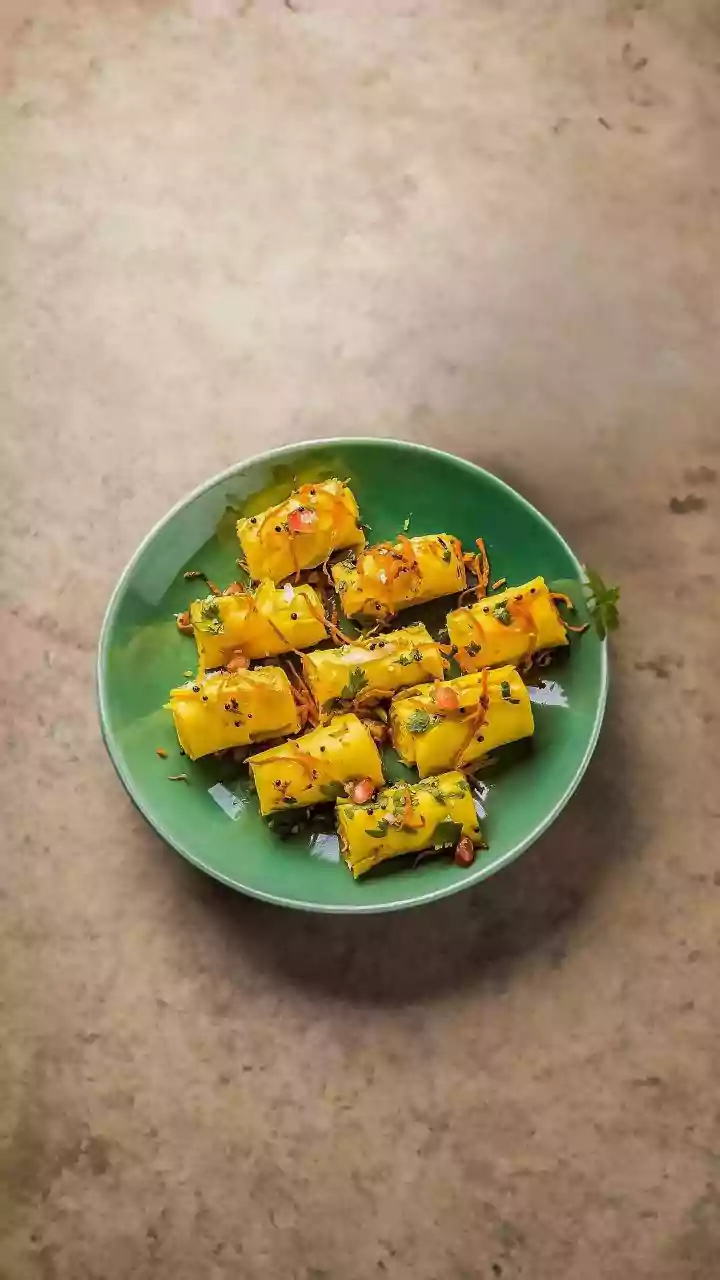
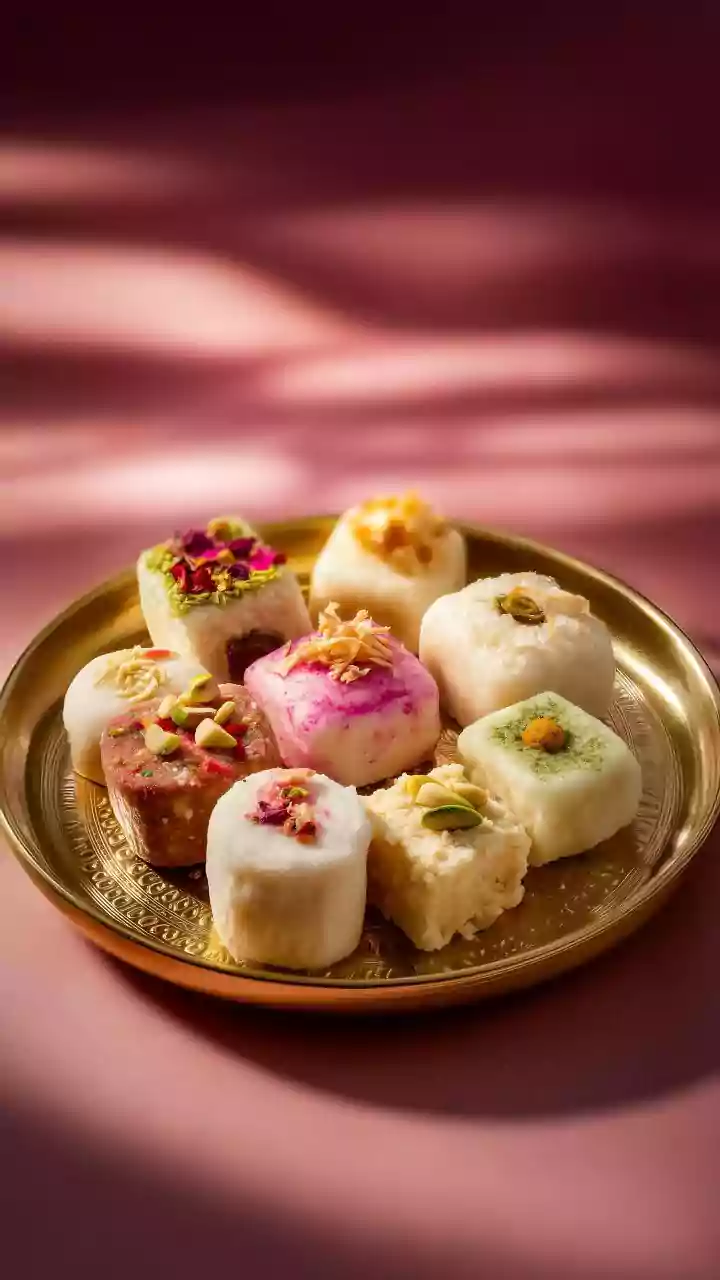
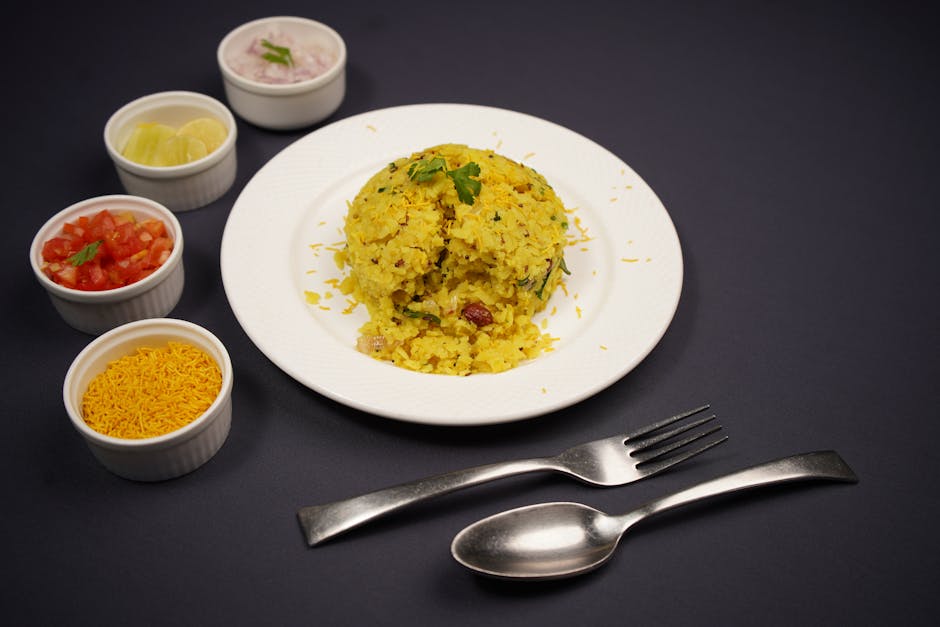
Step into a global culinary adventure. Explore the rich tapestry of Indian cuisine, with its diverse regional dishes and unique spice blends. From the aromatic curries to the tandoori delights, each dish tells a story of culture and tradition. Next, venture into Italian cuisine, renowned for its pasta dishes and pizzas. The freshness of ingredients and simplicity of flavors make Italian cooking a global favorite. Finally, discover the vibrant flavors of Mexican cuisine, where tacos, enchiladas, and salsas create a feast for the senses. Each cuisine offers different techniques, ingredients, and flavor profiles.
Safe Handling & Hygiene
Food safety is not to be neglected. Learn about safe food handling practices, including proper storage techniques for ingredients, to prevent cross-contamination, and cooking food to the right internal temperatures. Also, ensure your cooking environment is clean. Implement these practices to prevent foodborne illnesses. Proper hygiene is vital for your health.
Planning Meals & Timing
Efficient kitchen management is key to a seamless cooking experience. This includes meal planning and efficient time management. Meal planning helps to reduce food waste and ensures you have all the necessary ingredients. Time management involves the strategic ordering of cooking tasks to optimize efficiency and minimize wasted effort. Planning is the key to culinary success.
Swaps & Alternatives
Discover the art of ingredient substitution. Learn how to swap ingredients without compromising the taste and quality of your dishes. Explore vegan substitutions for eggs and dairy and gluten-free alternatives for wheat flour. Knowing about ingredient substitutions makes cooking more accessible and adaptable to dietary needs.