







Temperature Tides
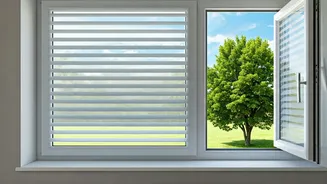
Deciding whether to crack open your windows or keep them shut during sweltering summer days isn't a one-size-fits-all answer. The chief interior design
consultant at Moduluxe, Poras Pratap Singh, emphasizes that several factors dictate the best approach, including the ambient temperature outside versus inside, the level of humidity, the specific time of day, and the general air circulation within your dwelling. If the air outside is noticeably cooler than what you're experiencing indoors, opening your windows can be a natural and effective way to bring down the internal temperature. Conversely, if the external environment is hotter, particularly during the sun's peak hours, keeping your windows closed is crucial to prevent that unwelcome heat from seeping into your living space and making it feel even more stifling.
Humidity's Hot Grip
The presence of moisture in the air significantly influences the effectiveness of open windows in cooling your home. Poras Pratap Singh points out that on humid summer days, opening windows can actually exacerbate indoor discomfort. When air saturated with moisture drifts inside, it can create a sticky, oppressive atmosphere, making it harder for your body to cool down through natural evaporation. In such scenarios, keeping windows firmly closed and relying on air conditioning to manage both temperature and humidity becomes a more sensible strategy for achieving a comfortable indoor environment. However, in regions where the climate is drier, opening windows during the cooler transitions of the day—early mornings or late evenings—can be highly beneficial. This allows cooler, less humid air to circulate, effectively lowering the indoor temperature without contributing to a damp feeling.
Timing is Everything
Strategic timing is paramount when deciding the fate of your windows during the hotter months. According to Singh, the sweet spot for opening your windows lies in the early morning or late evening hours when the outdoor temperature naturally dips. This allows you to harness the cooler outside air to passively reduce your home's internal temperature, providing comfort without the immediate need for artificial cooling. Conversely, he strongly advises against keeping windows ajar during the afternoon or midday, which are typically the hottest parts of the day. By closing your windows during these peak heat periods, you effectively create a barrier, trapping the cooler air already inside and preventing the ingress of stifling hot air, thereby maintaining a more pleasant indoor climate.
Fans & AC Synergy
The interplay between fans, air conditioning, and open or closed windows can dramatically influence your home's comfort level. Singh explains that when fans are utilized alongside open windows, the primary objective is to establish a cross-breeze, facilitating the movement of air through the house. This technique is particularly effective during the cooler times of the day, like early mornings or evenings. By strategically placing fans near windows, you can actively draw cooler air into your home while simultaneously expelling warmer air, fostering a more comfortable atmosphere. When it comes to air conditioning, however, Singh stresses the importance of keeping windows sealed shut for optimal efficiency. Air conditioning units work by cooling and dehumidifying the indoor air; allowing warm, humid outside air to enter significantly diminishes the AC's effectiveness, leading to increased energy consumption and higher utility bills. Therefore, for a cool and energy-conscious home, closing windows and ensuring there are no air leaks is the recommended approach.