


Foundation of Flavor
Building a healthy eating routine doesn't have to be complicated. The key lies in stocking your kitchen with versatile, nutrient-dense foods that form
the backbone of countless delicious and balanced meals. Think of these staples as your culinary building blocks, readily available to create everything from quick breakfasts to satisfying dinners. By focusing on whole, unprocessed options, you empower yourself to make nourishing choices without the stress of elaborate planning. These foundational foods offer a wealth of vitamins, minerals, and fiber, supporting your overall well-being and energy levels throughout the day. They are the unsung heroes of a healthy lifestyle, providing consistent goodness that makes healthy eating feel less like a chore and more like a natural, enjoyable part of your life. Embracing these core ingredients sets the stage for culinary success and long-term health benefits.
Protein Powerhouses
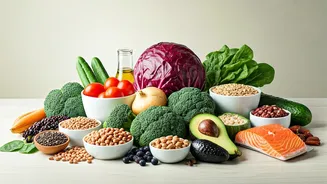
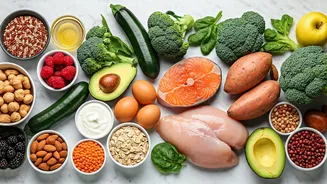
Including adequate protein in your diet is crucial for satiety, muscle repair, and sustained energy. Lean meats like chicken and turkey breast are excellent sources, offering high-quality protein with minimal saturated fat, making them ideal for various cooking methods. Fish, particularly fatty varieties like salmon and mackerel, provide not only protein but also essential omega-3 fatty acids, which are beneficial for heart and brain health. For plant-based eaters, legumes such as lentils and beans are powerhouses of protein and fiber, offering a budget-friendly and versatile option that can be incorporated into soups, salads, and stews. Tofu and tempeh are also fantastic plant-based proteins that absorb flavors well and can be used in a multitude of dishes, from stir-fries to baked meals. Eggs are another complete protein source, packed with essential nutrients and incredibly easy to prepare in numerous ways, serving as a quick breakfast or a light meal. These protein-rich staples ensure you feel full and satisfied, reducing the urge for less healthy snacks.
Whole Grains Galore
Whole grains are essential for providing sustained energy and vital nutrients, forming a cornerstone of a balanced diet. Opting for brown rice over white rice, for instance, delivers more fiber, which aids digestion and helps regulate blood sugar levels. Quinoa is another exceptional choice, recognized for its complete protein profile and high fiber content, making it a versatile grain that can be served as a side dish, added to salads, or used as a base for bowls. Oats, particularly rolled or steel-cut varieties, are fantastic for breakfast, offering a warming and filling meal that can be customized with fruits and nuts. Whole wheat pasta and bread provide more complex carbohydrates and fiber compared to their refined counterparts, contributing to better digestive health and a more stable energy release. Incorporating these whole grains into your weekly meals ensures you are getting essential B vitamins and minerals, contributing to overall vitality and reducing the risk of chronic diseases. Their complex carbohydrate structure means they are digested more slowly, preventing energy spikes and crashes.
Vibrant Vegetables
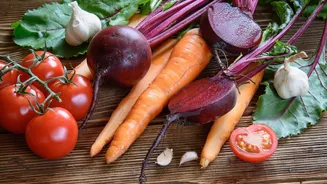
A colorful array of vegetables is fundamental to a nutrient-rich diet, offering a broad spectrum of vitamins, minerals, antioxidants, and fiber. Leafy greens like spinach and kale are packed with vitamins A, C, K, and folate, and are incredibly versatile, usable in salads, smoothies, sautés, or baked dishes. Cruciferous vegetables such as broccoli and cauliflower are celebrated for their high fiber content and their potential anti-inflammatory properties, making them excellent additions to roasted vegetable medleys or steamed side dishes. Root vegetables like carrots and sweet potatoes are rich in beta-carotene, which the body converts to vitamin A, essential for vision and immune function, and they lend themselves well to roasting, mashing, or adding to hearty stews. Bell peppers, in their various vibrant hues, offer a sweet crunch and are a great source of vitamin C, adding zest to stir-fries, salads, or fajitas. Tomatoes, technically a fruit but often used as a vegetable, provide lycopene and vitamin C, forming the base of many sauces and dishes. These vegetables are not only nutrient-dense but also add visual appeal and diverse textures to your meals, encouraging greater consumption.
Fruitful Freshness
Fruits are nature's candy, providing essential vitamins, natural sweetness, and dietary fiber that contribute significantly to a healthy eating pattern. Berries, such as blueberries, strawberries, and raspberries, are nutritional powerhouses, brimming with antioxidants that help combat cellular damage and support overall health; they are perfect for adding to yogurt, oatmeal, or enjoying as a standalone snack. Apples and pears offer a satisfying crunch and are good sources of soluble fiber, which can help manage cholesterol levels and promote digestive regularity. Citrus fruits, like oranges and grapefruits, are renowned for their high vitamin C content, crucial for immune system function and skin health, and their refreshing zest can brighten up any meal or drink. Bananas provide a convenient source of potassium, vital for maintaining healthy blood pressure and muscle function, and are an excellent pre- or post-workout snack. Avocados, while often used in savory dishes, are botanically fruits and offer healthy monounsaturated fats, fiber, and a creamy texture that can enrich salads, toast, or smoothies. Incorporating a variety of fruits ensures a wide intake of essential nutrients and natural sweetness.
Healthy Fats & Flavor
Incorporating healthy fats and flavor enhancers is crucial for both nutritional benefit and culinary enjoyment in a balanced diet. Nuts and seeds, such as almonds, walnuts, chia seeds, and flaxseeds, are packed with healthy fats, protein, fiber, and essential micronutrients, serving as excellent snacks or additions to meals for added texture and satiety. Olive oil, particularly extra virgin, is a cornerstone of healthy cooking, providing monounsaturated fats and antioxidants, ideal for dressings, sautés, and roasting. Herbs and spices, beyond adding depth and complexity to dishes, often possess their own beneficial compounds; turmeric, ginger, garlic, and cinnamon are lauded for their anti-inflammatory and antioxidant properties, transforming ordinary meals into flavorful, health-boosting creations. Plain yogurt, especially Greek yogurt, offers a creamy base rich in probiotics and protein, suitable for breakfast bowls, dips, or as a sour cream substitute. These elements not only contribute to the palatability of your food but also provide essential nutrients that support bodily functions and overall well-being, making healthy eating a delicious and satisfying experience.