






Defining Sacred Spaces
Sacred mountains stand as powerful symbols across various cultures, acting as conduits between the earthly and celestial realms. They are venerated for
their perceived proximity to the divine, offering sites for pilgrimage, meditation, and communion. Many faiths consider these peaks as the abodes of deities or the locations where pivotal events in religious narratives unfolded. These mountains are not just geographical features; they are deeply woven into the spiritual fabric of communities, representing faith, devotion, and a connection to the higher powers. The reverence attached to these mountains varies, encompassing rituals, ceremonies, and beliefs that have been passed down through generations, shaping the cultural identities of those who dwell in their shadows or journey to their summits.
Adam's Peak, Sri Lanka
Adam's Peak, known as Sri Pada in Sri Lanka, is a significant site for multiple religions. Buddhists believe the footprint-shaped indentation atop the peak was left by the Buddha during one of his visits. For Hindus, the imprint belongs to Lord Shiva, while Muslims and Christians associate it with Adam, the first human in their religious texts. Each year, pilgrims make the challenging climb to the summit, particularly during the pilgrimage season, which typically runs from December to April. The journey up the mountain is often undertaken at night, allowing pilgrims to witness the sunrise, a deeply spiritual experience. The peak, shrouded in mist at times, is a place of profound devotion and reflection, drawing people from all backgrounds in search of spiritual fulfillment and connection.
Mount Olympus, Greece
Mount Olympus in Greece holds a central place in Greek mythology. This towering peak was considered the home of the Olympian gods and goddesses, the supreme deities of the Greek pantheon. According to ancient beliefs, Zeus, the king of the gods, ruled from the summit, surrounded by his family and other divinities. The mountain was seen as a place of immense power and mystery, inaccessible to mortals except under special circumstances. Its slopes and surrounding areas are filled with tales of epic battles, divine interventions, and the eternal struggles of heroes and gods. Even today, the majesty of Mount Olympus continues to inspire awe and serves as a reminder of the rich mythological heritage of Greece, capturing the imaginations of visitors and scholars alike.
Mount Fuji, Japan
Mount Fuji in Japan is an iconic symbol of the nation, revered for its beauty and spiritual significance. The symmetrical cone of the mountain has inspired artists, poets, and pilgrims for centuries. In Shinto tradition, Mount Fuji is considered a sacred mountain, often associated with the goddess Konohanasakuya-hime. Ascending to the summit is a popular pilgrimage, especially during the climbing season in summer. The views from the top, including the sunrise, are considered deeply moving experiences. Mount Fuji’s presence permeates Japanese culture, appearing in countless artworks, and serving as a reminder of nature's power and the importance of inner reflection. Its enduring appeal cements its status as a place of both natural beauty and profound spiritual value.
Mount Sinai, Egypt
Mount Sinai in Egypt, also known as Jabal Musa, is a significant site in Judaism, Christianity, and Islam. According to religious traditions, it was here that Moses received the Ten Commandments from God. The mountain is mentioned repeatedly in the Bible and the Quran, often as a place of divine revelation and covenant. Over time, various monastic communities, including the Monastery of Saint Catherine, have established themselves near the base of the mountain, providing a place for prayer and reflection for pilgrims. The ascent to the summit is challenging, but the panoramic views and the deep sense of history make it a meaningful experience for those seeking spiritual connections. The significance of Mount Sinai lies not only in its physical height but also in its enduring role in shaping religious understanding.
Mount Kailash
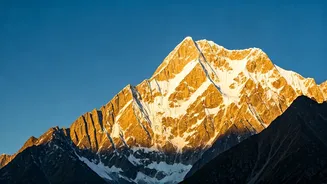
Mount Kailash, located in Tibet, is considered the most sacred mountain in the world by Hindus, Buddhists, Jains, and Bonpos. It is believed to be the abode of Lord Shiva in Hinduism, and a place where enlightenment can be achieved. Its slopes are untouched by human activity, ensuring a pristine environment for those who undertake the circumambulation, known as the Kora. The mountain is never climbed, as it is considered a place of profound spirituality. For Buddhists, Mount Kailash represents the center of the universe, and the pilgrimage around it is a significant act of devotion. Mount Kailash's sheer power is recognized universally, symbolizing spiritual strength and acting as a central point for those seeking inner peace and higher understanding.